
TL;DR

Turn the school run and nap time into listening time
- Thousands of audiobooks, podcasts and originals
- Listen on your phone, tablet or Echo — also offline
- Cancel anytime
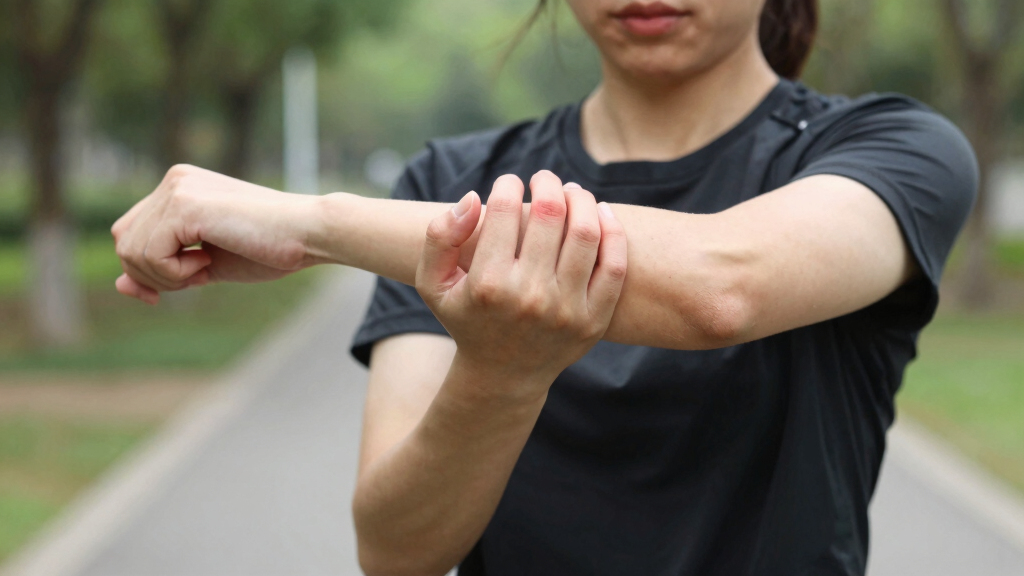
Hands often swell during or after exercise due to normal physiological responses like increased blood flow and heat dilation. This swelling usually resolves on its own within hours. Knowing how to prevent and manage it can improve comfort during workouts.
Hand swelling during or after running and walking is a common phenomenon, caused by normal physiological responses such as increased blood flow, heat dilation, and fluid shifts. Experts say it typically resolves on its own within a few hours, but understanding the causes can help exercisers manage discomfort effectively.
Research indicates that finger swelling during exercise results from multiple factors, including the body’s heat response, which dilates blood vessels to cool the skin, and increased blood flow from physical activity. This process can lead to fluid pooling in the hands, especially in hot weather or during vigorous activity. Additionally, the swinging of arms and gravity can contribute to fluid accumulation in the fingers.
Electrolyte balance may also influence swelling; for example, inadequate sodium intake relative to water consumption can cause fluid retention in the hands. Other medical conditions, such as allergies, liver disease, or heart issues, can cause persistent or severe swelling, warranting medical evaluation. Experts emphasize that exercise-induced swelling is generally harmless and temporary.
Practical tips for managing swelling include elevating hands, massaging fingers, loosening restrictive clothing or accessories, and ensuring proper hydration and electrolyte intake. Removing rings before exercise is recommended, and using silicone rings or adjusting watch fit can prevent discomfort. Swelling usually subsides within one to two hours after activity, and no specific treatment is necessary in most cases.
Implications for Exercise Comfort and Health
Understanding that hand swelling during exercise is a normal, temporary response can reassure exercisers and reduce concern. Proper management and prevention techniques can improve workout comfort. Recognizing signs of abnormal swelling can also prompt timely medical consultation, especially if swelling persists or worsens, ensuring health issues are not overlooked.As an affiliate, we earn on qualifying purchases.
Physiological Factors Behind Exercise-Induced Swelling
Hand swelling during physical activity has been observed for years, but recent explanations clarify that it results from natural body responses to heat and increased blood flow. The body’s dilation of blood vessels to dissipate heat, combined with the effects of gravity and arm movement, causes temporary fluid accumulation. These processes are well-documented in healthy individuals and are not indicative of underlying disease in most cases.
Previous misconceptions linked swelling to medical conditions, but current understanding emphasizes normal physiological adaptations. Experts advise that such swelling is usually harmless and self-limiting, with symptoms resolving within hours after exercise.
“Swelling of the hands during exercise is a normal response to increased blood flow and heat dissipation.”
— an anonymous researcher
Unresolved Questions About Long-Term Effects
While the immediate causes of hand swelling during exercise are well-understood, it remains unclear whether repeated or chronic swelling could have long-term effects or if certain individuals are more predisposed to persistent swelling. Additionally, the role of electrolyte balance and hydration strategies in preventing swelling needs further research to establish definitive guidelines.
Future Research and Practical Recommendations
Ongoing studies aim to clarify the long-term implications of exercise-related swelling and refine hydration and electrolyte strategies. Meanwhile, health professionals advise exercisers to monitor swelling patterns, remove restrictive accessories before activity, and seek medical advice if swelling persists or is accompanied by other symptoms. Expect updated guidelines as new evidence emerges.
Key Questions
Is hand swelling during exercise harmful?
No, in most cases, exercise-induced hand swelling is a normal, temporary response that resolves on its own within a few hours after activity.
How can I prevent my fingers from swelling during a run?
Remove rings and tight accessories beforehand, adjust watch fit, stay hydrated, and consider exercising in cooler times of day to reduce heat-related swelling.
When should I see a doctor about hand swelling?
If swelling persists for more than a day, becomes painful, or is accompanied by other symptoms like chest pain or shortness of breath, seek medical evaluation to rule out underlying health issues.
Does electrolyte intake help prevent swelling?
Maintaining proper electrolyte balance may help, especially if swelling is related to hydration or sodium levels, but more research is needed to confirm specific recommendations.
Source: Lifehacker
Cold & flu season Picks
humidifiers
As an affiliate, we earn on qualifying purchases.