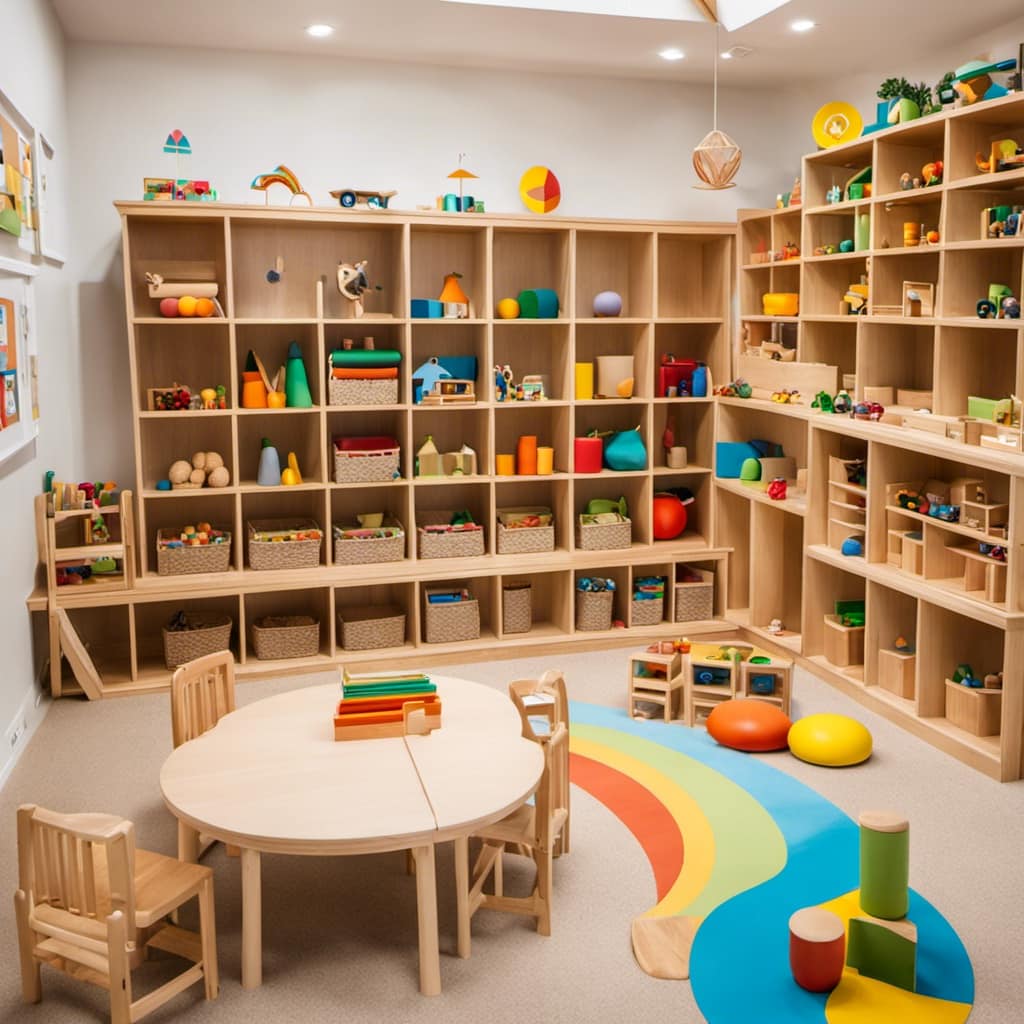
Open-ended building toys matter for STEM learning because they encourage you to think critically, experiment, and solve problems through hands-on exploration. They foster creativity, resilience, and collaboration, helping you develop important skills like communication and perseverance. These toys also teach safety standards and engineering principles naturally, building confidence in tackling complex projects. By engaging with open-ended play, you set a strong foundation for future success in STEM fields—stay with us to discover even more ways these toys make learning fun and impactful.

Turn the school run and nap time into listening time
- Thousands of audiobooks, podcasts and originals
- Listen on your phone, tablet or Echo — also offline
- Cancel anytime
Key Takeaways
- They promote critical thinking, problem-solving, and resilience through iterative testing and troubleshooting.
- Open-ended toys encourage exploration, experimentation, and discovering multiple solutions, fostering innovation.
- They enhance collaboration and communication skills as children work together to design and build.
- Hands-on manipulation reinforces understanding of scientific and engineering principles and safety standards.
- These toys nurture creativity and adaptability, preparing children for future STEM challenges.

Open-ended building toys also markedly improve problem solving skills. As children construct, they encounter challenges that require critical thinking and persistence. For example, if their initial design collapses or doesn’t work as planned, they learn to analyze the problem, troubleshoot, and adapt their approach. For instance, understanding and applying safety standards in their designs can help them grasp the importance of safety and standards in STEM fields. This iterative process teaches resilience and the importance of testing ideas, which are foundational to scientific inquiry and engineering processes. You notice how they start to see obstacles not as setbacks but as opportunities to learn and improve. Incorporating knowledge of regulations into their understanding can also help them grasp the importance of safety and standards in STEM fields. Recognizing the role of regulatory compliance in real-world engineering can deepen their appreciation for the importance of standards and safety measures. Developing an understanding of engineering principles through hands-on experimentation can further enhance their comprehension of complex concepts. Moreover, these toys don’t restrict children to a single correct answer or method. Instead, they promote exploration and experimentation, empowering kids to discover multiple solutions to a problem. This flexibility helps them understand that failure is a natural part of learning, encouraging a growth mindset. As they test different configurations, they become more confident in their ability to tackle complex problems, which directly translates to real-world STEM challenges.
Constructing challenges teach resilience, critical thinking, and testing ideas—key skills for scientific inquiry and engineering innovation.
When you choose open-ended building toys, you’re also supporting collaborative learning. Children naturally share ideas, negotiate roles, and work together to bring their visions to life. This teamwork enhances communication skills and teaches them how to listen to different perspectives. In STEM fields, collaboration often leads to breakthroughs, and starting this practice early builds a strong foundation for future success.
Furthermore, incorporating hands-on learning with these toys helps solidify understanding of scientific and engineering concepts by allowing children to physically manipulate and experiment with ideas, which reinforces their grasp of complex topics. In essence, open-ended building toys matter because they cultivate a mindset geared toward innovation, resilience, and teamwork. They give children the space to explore their ideas freely, making learning engaging and meaningful. By fostering creativity development and problem solving skills, these toys prepare young learners to navigate the complexities of STEM disciplines confidently. When you invest in open-ended building toys, you’re not just providing entertainment—you’re nurturing the critical thinking and inventive spirit that will drive their future achievements.
open-ended building toys for STEM learning
As an affiliate, we earn on qualifying purchases.
As an affiliate, we earn on qualifying purchases.
Frequently Asked Questions
How Do Open-Ended Toys Enhance Creativity in STEM Education?
Open-ended toys boost your creativity in STEM education by encouraging creative problem solving and innovation development. When you explore different ways to build and experiment, you challenge your mind to think outside the box. These toys give you the freedom to create unique solutions, fostering a mindset of curiosity and resilience. As a result, you develop essential skills that help you approach complex problems with confidence, inspiring continuous learning and inventive thinking.
What Age Groups Benefit Most From Open-Ended Building Toys?
Ever wondered which age groups gain the most from open-ended building toys? You’ll find that children aged 3 to 12 truly benefit, as these toys offer age-appropriate challenges that match their developmental stages. Younger kids develop fine motor skills and creativity, while older children enhance problem-solving and critical thinking. These toys adapt to their growing abilities, making them essential tools for fostering cognitive and STEM skills across various ages.
Are Open-Ended Building Toys Cost-Effective for Schools?
Open-ended building toys are cost-effective for schools because they offer versatile classroom integration and positive long-term value. When you perform a cost analysis, you’ll find that investing in these toys reduces the need for multiple specific sets, saving money over time. Plus, they promote creativity and problem-solving skills, making them a smart addition to your educational resources, encouraging active learning without frequent replacement costs.
How Can Parents Encourage STEM Learning With These Toys at Home?
You can encourage STEM learning at home by actively engaging in your child’s play with open-ended building toys. Your involvement boosts their confidence and curiosity. Promote play-based learning by asking open-ended questions, like “What are you building?” or “How does that work?” to stimulate critical thinking. Let your child lead, explore different ideas, and experiment freely—your support makes play a powerful tool for developing essential STEM skills.
What Are Some Examples of Successful Open-Ended Building Toy Activities?
You might think structured activities are best, but successful open-ended building toy activities thrive on creative freedom and play-based exploration. For example, challenge your child to build a bridge that can hold weight or a city with roads and buildings, encouraging imaginative problem-solving. These projects let kids experiment freely, fostering critical thinking and innovation. The key is to let their curiosity lead the way, no instructions required.
Conclusion
Just like Da Vinci’s endless curiosity fueled masterpieces, open-ended building toys ignite your child’s imagination and problem-solving skills. They’re the keys to accessing a world where creativity and STEM learning intertwine, shaping future innovators. As your child constructs, explores, and discovers, they build more than structures—they build confidence and a love for learning. Embrace these toys as your gateway to inspiring the next generation of thinkers, dreamers, and makers.
Fall Picks
fall essentials
As an affiliate, we earn on qualifying purchases.