
TL;DR

Get baby and family essentials delivered free — and shop member deals
- Fast, free delivery on millions of items
- Access to Prime Big Deal Days deals on October 6–7
- Prime Video, Amazon Music and more included
Bishop Mariann Budde has publicly stated that bravery is not an inherent personality trait but a skill that can be developed. This perspective challenges traditional views and highlights the importance of cultivating courage in everyday life.
Bishop Mariann Budde has declared that bravery is not an innate personality trait, but something that can be learned and cultivated by everyone. This statement was made during a recent speech aimed at encouraging community resilience and personal growth, emphasizing that courage is accessible to all regardless of natural disposition.
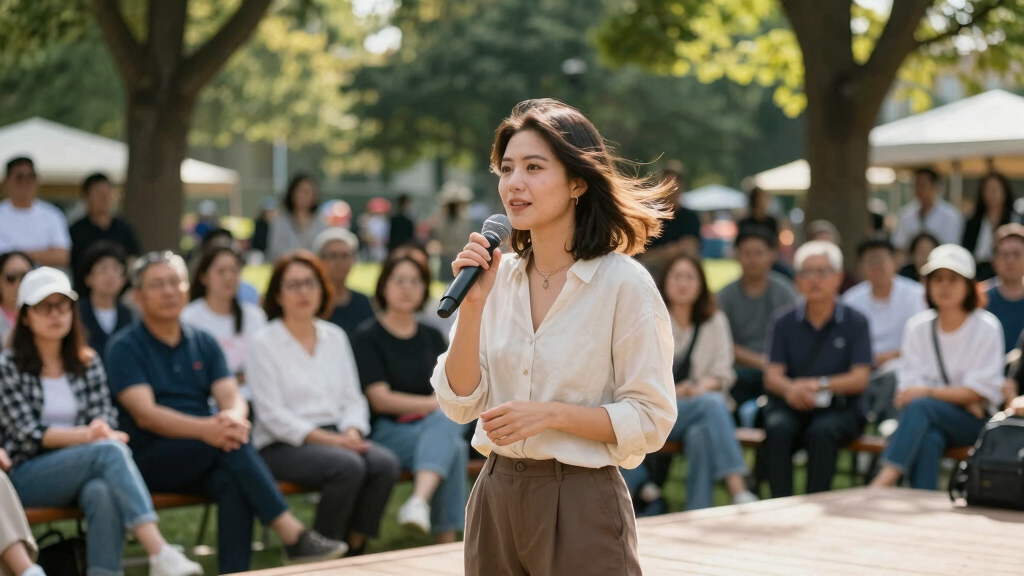
During her speech, Bishop Budde emphasized that bravery is a skill, not an inborn quality. She explained that societal and personal efforts can foster courage, making it possible for individuals to develop bravery through practice and perseverance. This perspective challenges the common assumption that some people are naturally braver than others, suggesting instead that bravery can be nurtured over time.
She cited examples from community programs and personal stories where individuals have learned to face fears and stand up for others, underscoring her point that bravery is accessible to all. Bishop Budde also highlighted the role of supportive environments and intentional effort in cultivating courage, encouraging her audience to view bravery as an achievable goal rather than an innate trait.
Implications for Personal and Community Development
This perspective on bravery matters because it empowers individuals to believe that courage can be cultivated, encouraging personal growth and resilience. It also has implications for community efforts, suggesting that fostering supportive environments can help more people develop the courage to face challenges, stand up for justice, and support others in times of crisis.
As an affiliate, we earn on qualifying purchases.
Bishop Budde’s Views on Courage and Leadership
Bishop Mariann Budde has been an influential religious leader known for her advocacy on social issues and community resilience. Her statement aligns with broader discussions in psychology and leadership about the malleability of traits like courage and resilience. Historically, many have viewed bravery as an innate characteristic, but recent research and leadership philosophies increasingly support the idea that such qualities can be developed through experience and environment.
This is not the first time Bishop Budde has spoken on themes of growth and empowerment; her leadership in community initiatives underscores her belief in the potential for change and development in individuals and groups.
“Bravery isn’t a personality trait; it’s something we all learn and can develop through effort and support.”
— Bishop Mariann Budde
Unanswered Questions About How Bravery Is Cultivated
While Bishop Budde’s statement emphasizes that bravery can be learned, it remains unclear what specific methods or practices are most effective in fostering courage across different contexts. There is also limited data on how long it takes for individuals to develop genuine bravery and whether certain personality types respond better to specific approaches. Further research and practical applications are needed to understand the full scope of cultivating bravery.
Next Steps in Promoting Courage Development
Following Bishop Budde’s remarks, community organizations and leaders may begin to develop programs focused on resilience training and courage-building exercises. Future discussions might explore evidence-based strategies for teaching bravery in schools, workplaces, and faith communities. Monitoring the outcomes of such initiatives will help clarify effective methods for cultivating courage at scale.
Key Questions
How does Bishop Budde define bravery?
Bishop Budde describes bravery as a skill that can be learned and developed through effort, support, and environment, rather than an innate personality trait.
Can bravery truly be taught?
According to Bishop Budde, yes. She believes that with the right mindset and environment, anyone can learn to be brave.
What practical steps can individuals take to develop bravery?
While specific methods are not detailed, cultivating bravery may involve setting small challenges, seeking supportive environments, and practicing resilience in everyday situations.
What impact could this perspective have on communities?
It could encourage more inclusive efforts to foster courage, leading to stronger, more resilient communities where individuals feel empowered to face challenges.
Are there any scientific studies supporting this view?
Recent psychological research suggests traits like resilience and courage can be developed, supporting Bishop Budde’s assertion, though more specific studies on bravery as a learned skill are ongoing.
Source: rss
Evergreen bestsellers Picks
bestsellers
As an affiliate, we earn on qualifying purchases.