
TL;DR

Turn the school run and nap time into listening time
- Thousands of audiobooks, podcasts and originals
- Listen on your phone, tablet or Echo — also offline
- Cancel anytime
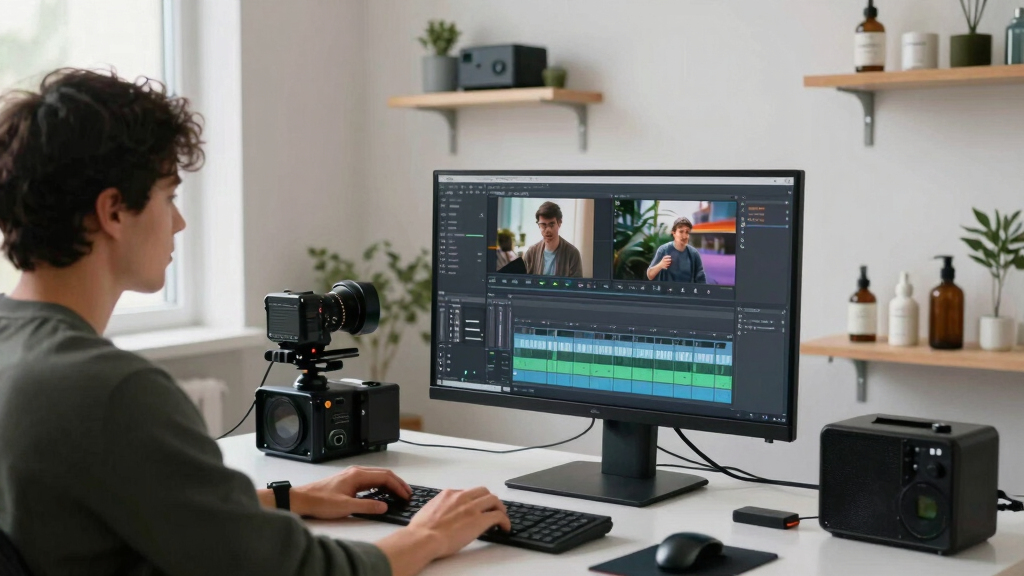
A single video can spawn an entire set of publishing assets—clips, social posts, transcripts—using a local workflow that preserves your privacy and cuts subscription costs. This approach streamlines content creation and gives you full control over your assets.
Imagine turning a single recording session into a dozen ready-to-publish assets—without ever uploading your raw footage to the cloud. That’s the promise behind a local-first, video-to-publishing workflow that’s gaining traction among creators and publishers. It’s not just about saving money; it’s about controlling your content, protecting your privacy, and speeding up your production cycle.
This approach leverages sophisticated tools that analyze your video on your own hardware, generating everything from teaser clips to social posts, transcripts, and blog drafts—all on-site. Intrigued? Let’s explore how one video can become an entire publishing kit, without ever touching the cloud.
Key Takeaways
- A single video can generate an entire publishing kit—clips, transcripts, social posts—automatically on your local machine.
- Local processing preserves your privacy, eliminates ongoing subscription costs, and speeds up your workflow.
- A four-layer AI analysis—audio, visuals, fusion, and intelligence—makes asset creation precise and context-aware.
- You need a capable computer and the right tools, but setup is straightforward and scalable.
- While not completely hands-off, this approach drastically reduces manual editing and upload time.
As an affiliate, we earn on qualifying purchases.
What does ‘one video in, a whole publishing kit out’ really mean?
It means taking a single source video—say, a 10-minute interview or book trailer—and automatically creating all the assets you need for distribution. Think of it as a factory that turns one raw input into a full suite of polished, ready-to-share content. You get social clips, blog snippets, transcripts, thumbnail ideas, and even email copy—all generated from just one recording.
Why does this matter? Because manually creating each of these assets is time-consuming and often requires multiple tools and platforms. Automating this process on your own hardware not only saves hours but also minimizes the risk of data leaks or errors during transfers. However, it also involves tradeoffs: relying on AI accuracy, potential hardware limitations, and initial setup complexity. Understanding these helps you decide whether a fully local workflow fits your needs and how to optimize it for your specific content style and volume.
How does the local workflow turn one video into dozens of assets?
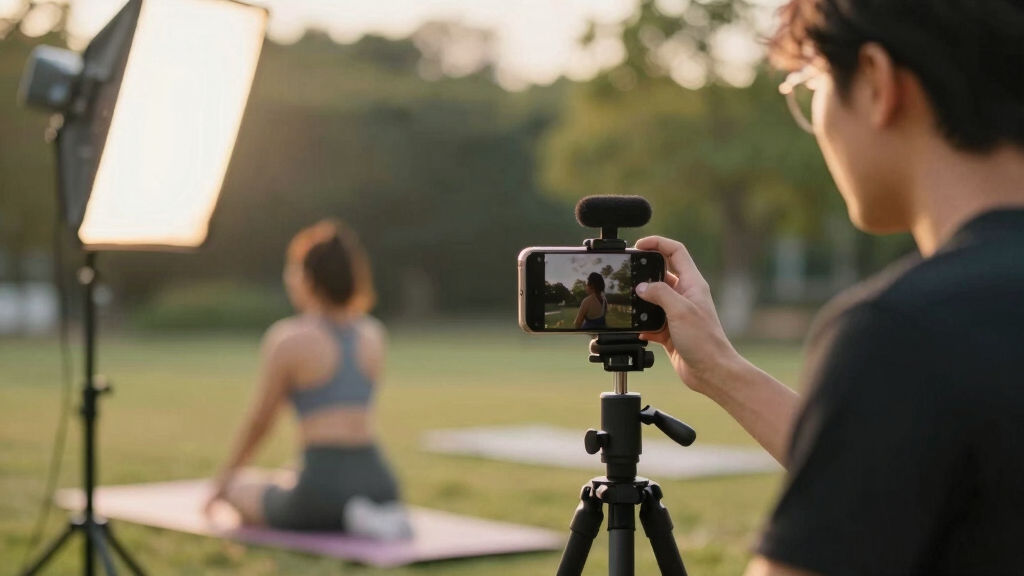
The secret lies in a four-layer process: audio, visuals, fusion, and intelligence. First, the system transcribes speech with speaker labels and timing, capturing exactly who said what and when. This transcription isn’t just for subtitles; it provides a textual backbone that enables precise editing and keyword extraction, which can be crucial for SEO and content repurposing.
Next, it analyzes the video frames—detecting scene changes, extracting on-screen text, and recognizing key visuals. For more on how to set up your own local AI workflow, see this guide. This visual analysis allows the system to identify highlight moments, generate thumbnail options, and create visual cues for editing. The fusion layer then combines these streams into a synchronized scene log, aligning spoken words with visual cues. This synchronization is vital because it preserves context, ensuring that clips and summaries are coherent and meaningful.
Finally, the AI reads that scene log for key topics, hooks, and moments worth highlighting. It can identify emotional peaks, important quotes, or visually distinctive segments, enabling it to draft titles, descriptions, clips, and more—each tailored for specific platforms. The deep understanding gained at each layer allows for assets that are not just automated but also contextually relevant, boosting engagement and clarity. The tradeoff? Hardware limitations may affect processing speed and accuracy, especially with complex videos or large files, so balancing hardware capacity with workflow demands is key.
Applying the concept: real-world scenarios
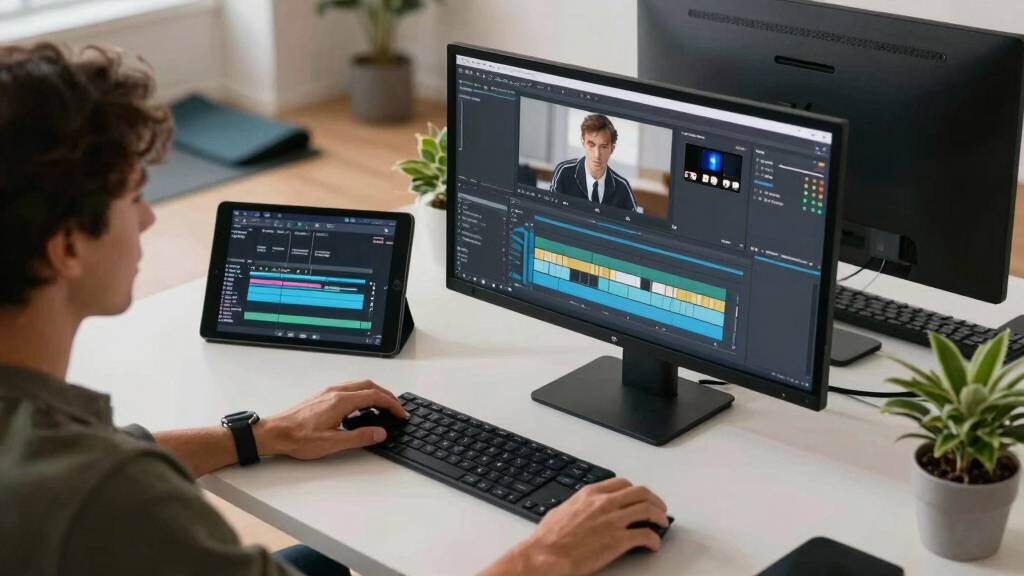
Imagine you’ve recorded a 15-minute webinar on digital marketing strategies. Using a local AI setup, the system transcribes the entire session, identifies key topics like SEO and social media, and extracts the most engaging quotes. Learn more about local AI workflows at Golden Age Gadgets. It then automatically creates short teaser clips for Instagram, a transcript for your blog, and social media posts promoting the webinar. All of this happens without uploading a single file to the cloud.
Another example: You produce a weekly cooking show. With local processing, you generate a highlight reel, recipe snippets, and promotional images from each episode in minutes. This allows you to stay consistent with your content calendar while maintaining full control over your assets, ensuring your data remains private and secure.

Advantages and considerations
By adopting this local workflow, creators gain several benefits: faster turnaround times, enhanced privacy, and reduced costs from avoiding subscriptions. For example, a solo YouTuber can produce multiple social media assets from a single recording session and publish them immediately, all on their own hardware.
However, it’s important to recognize limitations. High-quality AI analysis requires a capable computer—preferably with a dedicated GPU—and some initial setup. Large or complex videos may take longer to process, and AI accuracy depends on the quality of your raw footage. Still, for many creators, the tradeoff is worth it: greater control, security, and efficiency.
Frequently Asked Questions
What exactly does ‘one video in, a whole publishing kit out’ mean?
It means using a single recorded video to automatically generate all your promotional assets—clips, transcripts, social posts, blog drafts—without uploading your raw footage to the cloud. Everything happens locally, on your own hardware.
What types of assets can I create from one video?
You can produce teaser clips, full transcripts, quote cards, blog summaries, social media posts, and even email snippets—all from one recording. These assets help you reach audiences across multiple platforms quickly.
How does this workflow avoid using the cloud?
The entire process relies on local AI tools that analyze and generate assets on your own computer. No data leaves your machine unless you decide to export or upload manually, making it a privacy-friendly and subscription-free setup.
What equipment or software do I need?
A decent computer with enough RAM and storage, plus software like [ChannelHelm](https://channelhelm.com/) that runs locally. A good camera and microphone help produce quality raw footage, but the processing and asset generation happen on your own hardware.
Is this suitable for solo creators or teams?
Both. Solo creators love the automation, while teams benefit from faster asset production and better control. It scales well from individual publishers to small content teams.
Conclusion
Turning one video into a full publishing kit without relying on the cloud isn’t just a tech trick—it’s a game-changer for creators who value control and efficiency. With the right setup, you can produce and publish more content, faster, while keeping everything on your own terms.
Imagine a future where your raw footage is a self-sufficient factory—no waiting, no uploading, just instant assets ready for the world. That’s the power of a local-first, video-to-publishing workflow. Start small, think big, and take control of your content today.

Cold & flu season Picks
humidifiers
As an affiliate, we earn on qualifying purchases.