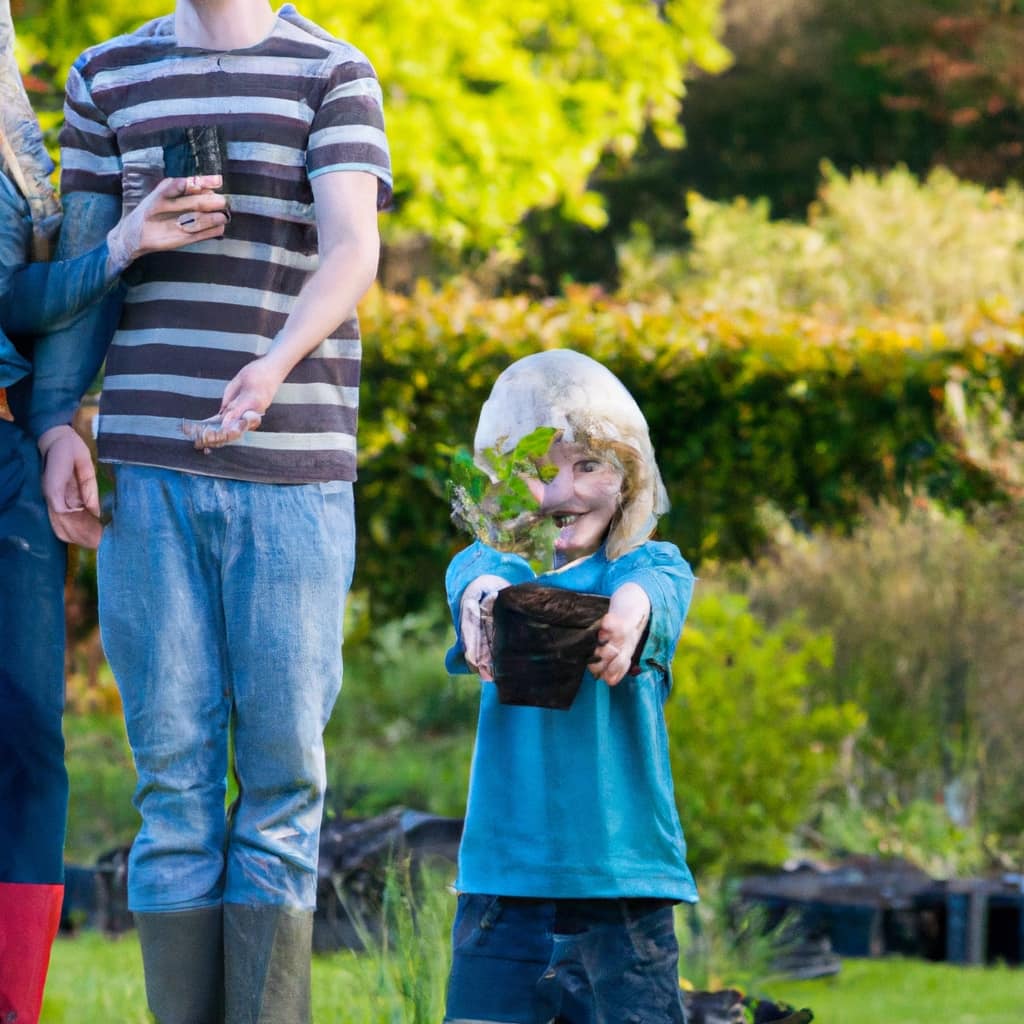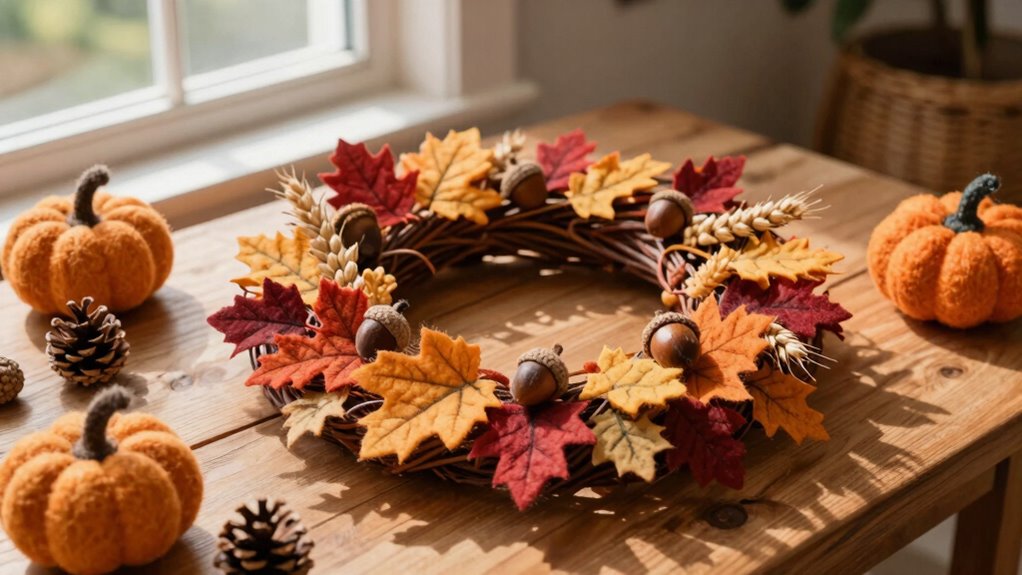

In a Waldorf rhythm, you can naturally incorporate seasonal crafts by matching activities to each season’s natural themes and materials, encouraging children to collect and work with what they find outdoors. Use these crafts to foster a sense of wonder, mindfulness, and connection with nature’s cycles. Integrate storytelling and reflection to deepen understanding and build rhythm. If you keep exploring, you’ll find ways to make these crafts a meaningful part of your seasonal celebrations.

Get baby and family essentials delivered free — and shop member deals
- Fast, free delivery on millions of items
- Access to Prime Big Deal Days deals on October 6–7
- Prime Video, Amazon Music and more included
Key Takeaways
- Integrate seasonal crafts as part of daily or weekly rhythms to reinforce connection with natural cycles.
- Use natural materials aligned with each season to deepen sensory engagement and ecological understanding.
- Incorporate storytelling and reflection to enhance spiritual and emotional resonance with seasonal changes.
- Plan activities that encourage children’s observation and collection of seasonal materials for meaningful projects.
- Align crafts with nature’s rhythms to foster a sense of wonder, rhythm, and holistic development within the Waldorf approach.
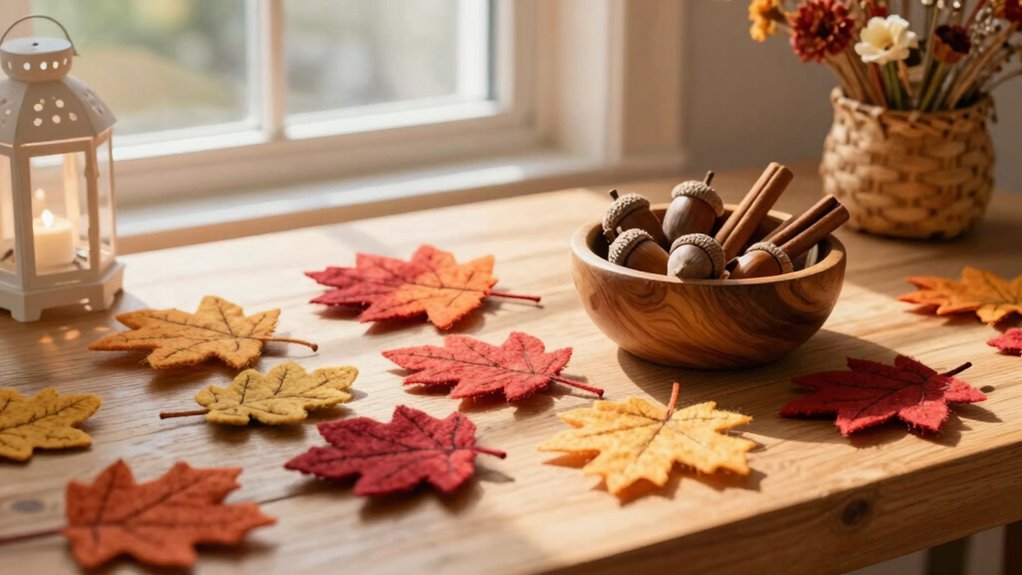
As the seasons change, incorporating seasonal crafts into the Waldorf rhythm offers a meaningful way to connect children with the natural world. These crafts serve as a gentle bridge between nature and daily life, fostering a deep sense of wonder and appreciation. When you introduce seasonal crafts, you’re not just decorating or creating; you’re nurturing a genuine connection to the rhythms of the earth. This connection becomes a foundation for a child’s understanding of cycles, growth, and change. By engaging in simple, nature-inspired projects—like leaf collages in autumn or flower arrangements in spring—you help children experience the beauty of each season firsthand. This tactile interaction encourages mindfulness and a respect for the environment, which are central to Waldorf education.
Connecting children with nature through seasonal crafts fosters wonder, mindfulness, and respect for Earth’s cycles.
At the same time, seasonal crafts support artistic expression, allowing children to explore their creativity within the context of nature. You can guide them to observe their surroundings carefully, then translate these observations into their artwork. For example, during winter, children might gather pinecones and create textured winter scenes, or in summer, they could craft flower crowns that celebrate the abundance of the season. These activities aren’t about perfection but about allowing children to experiment and express their unique perspective. As they work with natural materials—leaves, stones, feathers—they learn to appreciate textures, colors, and forms. This hands-on approach helps children develop fine motor skills while also fostering their imagination and individual voice.
To effectively incorporate seasonal crafts into your Waldorf rhythm, plan activities that align with the season’s natural offerings and themes. Let natural materials guide the project choices, giving children the opportunity to collect their own supplies. Encourage storytelling and reflection about the season—what it means, how it feels, what it offers—integrating language and cognitive growth into the craft experience. When you do this, you’re not only enriching their artistic expression but also deepening their connection to the world around them. Seasonal crafts become more than just artistic activities; they transform into meaningful rituals that anchor children to the earth’s cycles, nurturing their innate curiosity and reverence for nature. Recognizing the importance of biodiversity in these practices can help children understand the value of diverse ecosystems and their role within them.
By incorporating seasonal crafts, you also support the development of a sense of seasonal rhythm, helping children anticipate and embrace the natural flow of the year. Ultimately, by weaving seasonal crafts into your daily rhythm, you foster a harmonious balance between nature connection and artistic growth. This integration helps children develop a sense of belonging and respect for the natural world while cultivating their creative abilities. It’s a simple yet powerful way to honor the seasons and support a holistic, soulful education rooted in wonder, discovery, and love for the Earth.
natural materials for seasonal crafts
As an affiliate, we earn on qualifying purchases.
As an affiliate, we earn on qualifying purchases.
Frequently Asked Questions
How Do Seasonal Crafts Support Child Development in Waldorf Education?
You support child development in Waldorf education by engaging them in seasonal crafts that highlight seasonal symbolism, helping them connect with nature’s cycles. These activities encourage emotional expression, allowing children to explore their feelings through creative work. As they craft, they develop fine motor skills and deepen their understanding of seasons, fostering a sense of rhythm and harmony. This holistic approach nurtures their emotional, physical, and cognitive growth naturally.
What Materials Are Best for Seasonal Waldorf Crafts?
You should choose natural materials like wool, wood, beeswax, and plant fibers for seasonal Waldorf crafts. These materials offer rich sensory experiences, helping children connect with nature and develop their senses. Avoid synthetic substances to keep the focus on authentic, tactile engagement. Natural materials foster creativity and mindfulness, making craft activities meaningful and aligned with Waldorf principles, supporting children’s holistic growth through hands-on, sensory-rich experiences.
How Often Should Seasonal Crafts Be Incorporated Into the Rhythm?
You should weave seasonal crafts into your rhythm weekly or bi-weekly, like the gentle ebb and flow of tides. This cadence keeps your craft supply organization seamless and your children engaged with seasonal craft ideas that mirror nature’s changing song. Regular inclusion creates a harmonious rhythm, nurturing mindful creativity and deepening their connection to the seasons. Embrace this ebb and flow, and watch your Waldorf rhythm flourish with vibrant, meaningful crafts.
Can Seasonal Crafts Be Adapted for Different Age Groups?
Yes, you can adapt seasonal crafts for different age groups by incorporating age-appropriate adaptations and creative variations. For younger children, simplify materials and focus on sensory experiences, while older children can handle more complex projects that encourage fine motor skills and creative expression. This approach helps maintain engagement and guarantees each age group benefits from the seasonal craft, making it meaningful and developmentally suitable.
How Do Seasonal Crafts Connect With Nature in Waldorf Practice?
Connecting seasonal crafts with nature is like hitting two birds with one stone—you deepen your child’s nature connection and sensory engagement simultaneously. You encourage children to observe, feel, and work with natural materials like leaves, stones, or flowers, fostering a hands-on appreciation of the changing seasons. This practice nurtures a respectful bond with nature, making their learning experience richer and more meaningful within the Waldorf rhythm.
Conclusion
Incorporating seasonal crafts into your Waldorf rhythm not only enriches your child’s learning experience but also fosters a deeper connection with nature’s cycles. Did you know that children engaged in seasonal activities show a 30% increase in emotional well-being? By embracing these crafts, you create meaningful traditions that nurture creativity, mindfulness, and a sense of belonging. So, start integrating seasonal crafts today and watch your child’s curiosity and joy blossom naturally throughout the year.
Fall Picks
fall essentials
As an affiliate, we earn on qualifying purchases.