
To protect your kids from seasonal stress, keep holiday traditions simple, inclusive, and focused on quality time rather than material gifts. Involve your children in planning and decision-making to give them a sense of control. Maintain familiar routines like meals and sleep schedules, and clearly communicate upcoming events to reduce anxiety. Your calm and flexible attitude sets a positive tone that helps everyone enjoy the season more. Continue for practical tips to make holidays joyful and stress-free.

Turn the school run and nap time into listening time
- Thousands of audiobooks, podcasts and originals
- Listen on your phone, tablet or Echo — also offline
- Cancel anytime
Key Takeaways
- Simplify traditions and involve children in planning to reduce pressure and enhance enjoyment.
- Maintain consistent routines and set clear expectations to provide stability and prevent overwhelm.
- Focus on meaningful interactions and quality time rather than material gifts to reduce material-related stress.
- Adopt a calm, flexible attitude and adapt holiday plans to accommodate children’s needs and reduce anxiety.
- Communicate upcoming events clearly and allow children some control to foster a sense of security and participation.
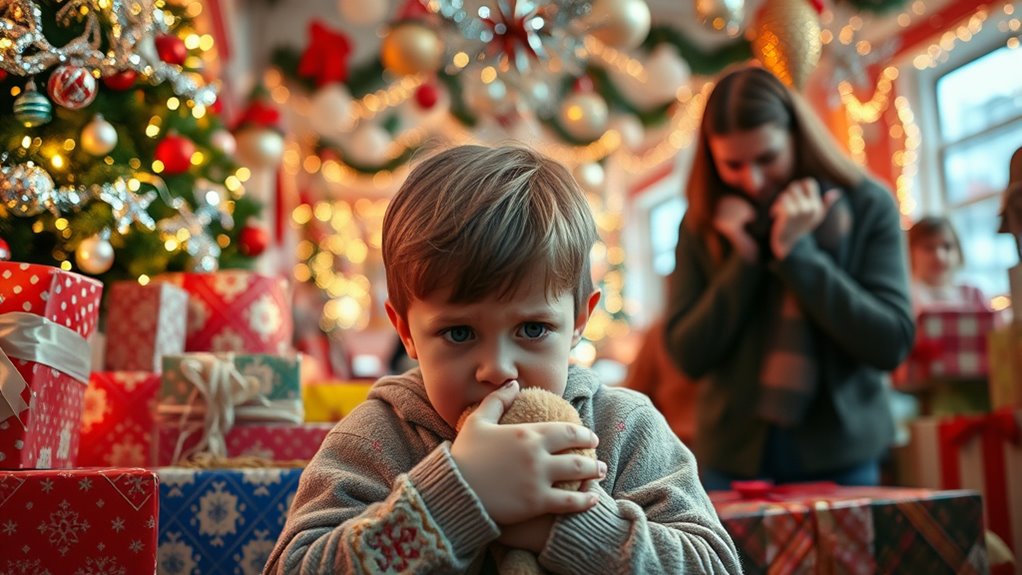
Are the holidays leaving your kids feeling overwhelmed? If so, you’re not alone. The festive season, while joyful, can also bring a surge of stress for children. One key factor is the pressure to participate in family traditions. These customs, meant to foster connection and create lasting memories, can sometimes become sources of anxiety instead. Kids might feel unsure about their role in these traditions or worry about living up to expectations. For example, if your family has a tradition of elaborate gift exchanges or themed celebrations, your children could feel overwhelmed by the social or logistical demands. It’s important to remember that traditions should be enjoyable, not stressful. Keep them simple and inclusive, allowing your kids to feel involved without feeling pressured to perform or meet standards they’re uncomfortable with.
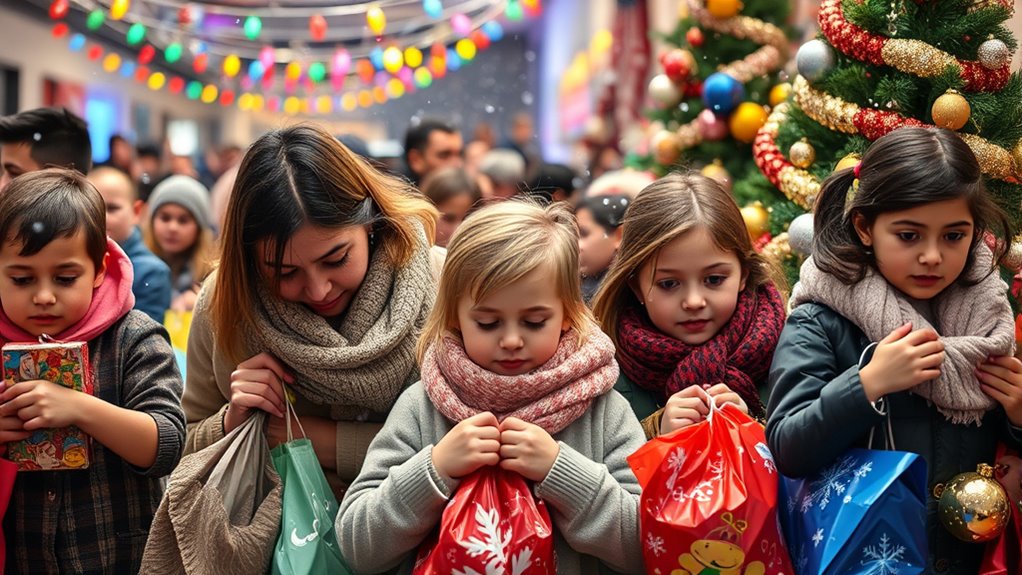
Another common source of seasonal stress is gift anxiety. Kids can sense the excitement and urgency surrounding holiday shopping, which can lead to feelings of inadequacy or disappointment. They might worry about receiving enough gifts, or about not getting the “right” ones, especially if there’s a focus on material possessions. This can cause feelings of insecurity or even jealousy among siblings or friends. To ease gift anxiety, involve your children in gift-giving decisions, emphasizing the thought behind presents rather than their price or quantity. Encourage them to express what they truly want and teach them that the value of a gift isn’t measured by its size or cost. Additionally, remind your kids that holidays are about spending quality time together, not just exchanging items. When you set clear expectations about gifts and focus on meaningful interactions, you help reduce the pressure that can transform holiday cheer into stress.
It’s also helpful to establish a sense of routine amidst the chaos. Kids thrive on predictability, so sticking to regular meal times and sleep schedules as much as possible can provide a comforting structure during busy holiday days. Explain upcoming events in advance, so they know what to expect and can mentally prepare themselves. Giving your children some control—like choosing their outfit for a holiday party or helping with simple decorations—can empower them and diminish feelings of overwhelm. Research shows that incorporating familiar routines and maintaining consistency can significantly lower stress levels in children during hectic times. Remember, your calm and positive attitude will set the tone for them. If you approach the season with flexibility and emphasis on togetherness, you’ll help your kids navigate the holidays with less stress and more joy.
Frequently Asked Questions
How Can Parents Identify Signs of Seasonal Stress in Children?
To identify signs of seasonal stress in your child, pay close attention to emotional cues like increased anxiety, irritability, or sadness. Watch for behavioral changes such as withdrawal, difficulty sleeping, or loss of interest in activities they usually enjoy. You can help your child by staying observant and providing a supportive environment. Recognizing these signs early allows you to address their feelings and reduce stress during busy holiday seasons.
Are There Specific Activities to Help Kids Manage Holiday Anxiety?
Did you know that 75% of children report feeling more anxious during the holidays? To help manage holiday anxiety, you can introduce mindfulness exercises like deep breathing or guided imagery. Creative outlets such as drawing, storytelling, or music also work wonders for kids to express emotions and find calm. These activities allow your child to relax, stay grounded, and enjoy the season rather than feeling overwhelmed.
How Does Holiday Stress Affect Children’s Sleep Patterns?
You might notice that holiday stress causes your kids to experience disrupted sleep patterns. Holiday fatigue can make it harder for them to fall asleep or stay asleep, especially with changes in their usual routines. Festive routines, while fun, can also lead to overstimulation. To help, keep a consistent bedtime, create calming rituals, and limit screen time before bed. These steps support healthier sleep amid holiday excitement.
What Role Do Grandparents and Relatives Play in Holiday Stress?
Think of family involvement as a dance, with grandparents and relatives leading sometimes. Their presence can heighten holiday stress by adding cultural expectations and family dynamics that your kids sense. You might feel overwhelmed trying to balance everyone’s needs, but setting clear boundaries helps. Encourage open conversations, involve relatives in joyful activities, and remind everyone that the true spirit of the season is love, not perfection.
Are There Age-Specific Strategies for Preventing Holiday Overload?
You can prevent holiday overload by using age-specific strategies like age-appropriate communication to set expectations clearly and calmly. Customize activity planning to match your child’s energy levels and interests, avoiding over-scheduling. For younger kids, keep routines consistent and offer downtime, while older kids benefit from involving them in planning. These tailored approaches help manage stress, ensuring your child enjoys the festivities without feeling overwhelmed.
Conclusion
Remember, just like a snow globe that needs gentle shaking to settle peacefully, your kids need calm and support during the holidays. When you set boundaries and keep routines steady, you help them stay grounded amid the chaos. For example, my niece once felt overwhelmed by all the festivities, but a simple hug and a quiet moment turned her storm of stress into a peaceful snow globe. With your care, their holiday can be joyful, not overwhelming.
Fall Picks
fall essentials
As an affiliate, we earn on qualifying purchases.