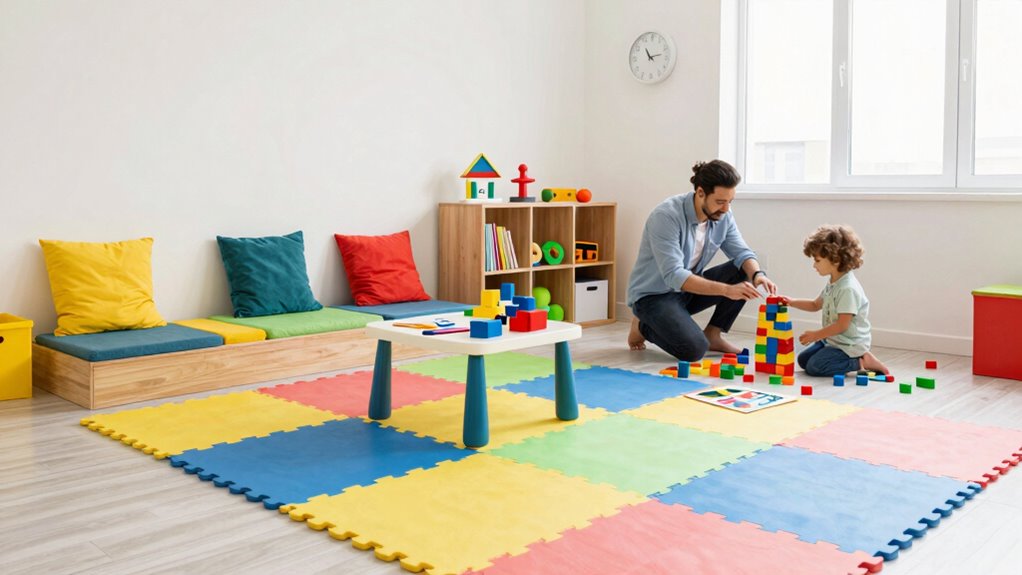

To set up better after-school play routines, actively participate in your child’s activities to show support and guide safe boundaries. Incorporate outdoor play regularly to boost physical and mental health while encouraging exploration and social skills. Establish a consistent schedule that includes outdoor time and indoor backups for bad weather. Keep the play environment inviting and organized, offering choices to foster independence. With flexibility and positive reinforcement, you’ll create routines that promote growth, fun, and lifelong healthy habits—learning more about these strategies will help you succeed.
Open a free Amazon Business account
Business pricing, bulk buying and tax-exempt orders.
As an affiliate, we earn on qualifying purchases.
Key Takeaways
- Establish a consistent daily schedule that includes designated outdoor playtime to create predictability and stability.
- Involve children in choosing activities to foster independence and ensure activities align with their interests.
- Incorporate active participation and supervision to support development, safety, and motivation.
- Prepare alternative indoor activities for bad weather or schedule conflicts to maintain routine continuity.
- Use positive reinforcement and encouragement to make playtime enjoyable and promote ongoing engagement.
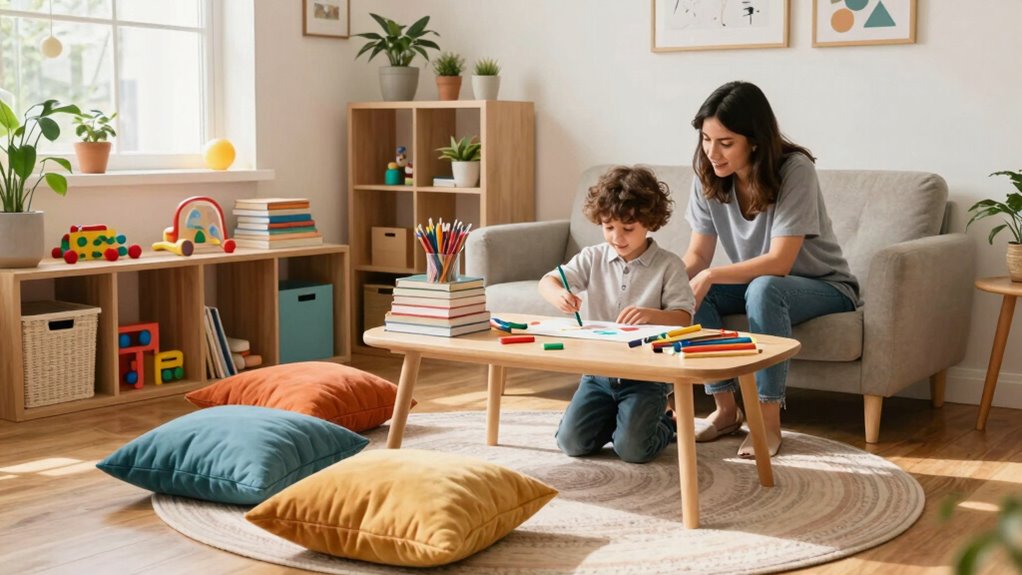
After a busy school day, establishing effective after-school play routines can make a big difference in your child’s happiness and development. When you actively participate in your child’s playtime, you send a message that their well-being and fun matter. Parent involvement is crucial for creating a balanced routine that encourages your child to enjoy outdoor activities and develop social skills. By engaging with them, you can guide their play, set healthy boundaries, and foster a sense of security. It’s not just about overseeing their activities but also about joining in and making play a meaningful part of your family’s daily life.
Active parental involvement transforms after-school play into meaningful, joyful growth opportunities for children.
Outdoor activities are essential for your child’s physical health and mental well-being. After a day spent sitting in the classroom, kids need opportunities to move, explore, and connect with nature. You can help by designating specific times for outdoor play, whether it’s a walk around the neighborhood, a trip to the park, or backyard games. These outdoor activities provide a perfect chance for your child to burn off energy, develop motor skills, and build resilience. Plus, being outside often stimulates curiosity and creativity, which can translate into better focus and learning during school hours. Incorporating outdoor activities into your routine can also help your child develop a lifelong love of nature and exploration. Additionally, outdoor play supports the development of social skills through interactions with peers and family members. Engaging in outdoor play can also boost your child’s confidence as they master new skills and face challenges in a safe environment. Creating opportunities for unstructured play outdoors can further enhance their problem-solving abilities and independence.
To set up better routines, start by establishing a consistent schedule. When your child knows that playtime follows a set time after school, it becomes a predictable part of their day. Incorporate outdoor activities into this routine, making them non-negotiable, like a daily walk or outdoor sports. Your involvement can range from playing catch to helping them with a bike ride. When you participate actively, your child feels supported and motivated, and you get to observe their interests and strengths firsthand. Recognizing the importance of structured routines can help you create a stable environment for your child’s growth.
Creating a positive environment is also key. Keep outdoor gear accessible and encourage your child to choose activities they enjoy. If they love climbing, set up a safe play structure; if they prefer team sports, organize a game with friends or family. Your role is to facilitate opportunities rather than dictate exactly what they do. This approach fosters independence and confidence, while your involvement shows that you value their playtime.
Finally, stay flexible. Some days, outdoor play might be limited by weather or other commitments, so have backup indoor activities ready. The goal is to keep your child active, engaged, and happy after school. When you combine consistent routines with your active involvement and outdoor activities, you create a supportive environment that nurtures your child’s growth and love of play. Remember, parent involvement plays a vital role in reinforcing positive habits and emotional well-being. Being aware of child development principles can help you tailor activities that support their overall growth and happiness. Incorporating positive reinforcement can also motivate your child to embrace active play routines with enthusiasm.
As an affiliate, we earn on qualifying purchases.
Frequently Asked Questions
How Can I Involve My Child in Creating Their Play Routine?
You can involve your child in creating their play routine by asking about their preferences and interests, making them feel valued. Encourage them to choose activities they enjoy and suggest new ideas. Keep the routine flexible to adapt to changing moods or interests. By giving them ownership, your child will be more excited and motivated to follow the routine, fostering independence and making after-school time more enjoyable for both of you.
What if My Child Resists the New After-School Routine?
If your child resists the new routine, stay calm and use behavior management strategies to address their concerns. Involve your child in small decisions to increase their sense of control and comfort. Your active parental involvement reassures them, making shifts easier. Consistency and patience are key—over time, they’ll adapt as they see the routine as a positive part of their day.
How Do I Balance Screen Time With Playtime?
Think of screen time as a delicate dance—you want your child to enjoy tech boundaries without missing out on the vibrant rhythm of outdoor safety play. Set clear limits, like a gentle fence around a blooming garden, to encourage quality playtime. Balance screens with outdoor adventures, ensuring they’re active and engaged, so technology becomes a tool, not a trap. This way, you nurture a healthy, joyful rhythm in their after-school hours.
What Are Some Quick Activities for Busy Weekdays?
On busy weekdays, you can keep things simple with quick indoor crafts and quiet time activities. Set aside 15-20 minutes for your child to do easy crafts like coloring or building with blocks. Quiet time activities, such as reading or puzzles, help them unwind after a hectic day. These activities are quick, engaging, and perfect for fitting into a busy schedule while giving your child a productive break.
How Can I Ensure Safety During Outdoor Play?
You can guarantee safety during outdoor play by staying vigilant with supervision strategies—constantly watching and engaging with your child. Keep safety equipment like helmets, knee pads, and protective gear on hand and properly used. Regularly inspect the play area for hazards, and set clear boundaries. By actively supervising and equipping your child, you create a secure environment where they can enjoy outdoor fun without unnecessary risks.
Conclusion
By establishing a consistent after-school play routine, you’ll help your child unwind, explore, and develop important skills—all while making your evenings smoother. Remember, a little structure goes a long way, but don’t forget to leave room for spontaneous fun, like a good old-fashioned game of tag. Think of it as your child’s personal “playground of progress”—a timeless way to nurture joy and growth. With patience and creativity, your evenings will become the highlight of everyone’s day.
NFL season / tailgating Picks
team gear
As an affiliate, we earn on qualifying purchases.