
To design a sensory corner at home, choose calming textures like fleece or velvet, and add colorful cushions and rugs to create a welcoming atmosphere. Keep everything organized in storage bins and place toys within easy reach for independent exploration. Use soft, warm lighting and natural light when possible to foster a soothing environment. Focus on safety with non-toxic materials, and keep the space clutter-free for both quiet reflection and active play. Discover more tips to make your space truly special.
Key Takeaways
- Incorporate calming textures like plush fabrics, textured panels, and stuffed animals to promote tactile soothing.
- Use bright, inviting colors balanced with neutral tones to energize and maintain a calming atmosphere.
- Organize sensory toys and tools within easy reach using storage bins to encourage independent exploration.
- Utilize soft lighting, natural light, and dimmable lamps to create a warm, relaxing ambiance.
- Ensure all materials are non-toxic, safe, and the space remains clutter-free for a secure, versatile environment.

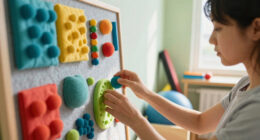
Creating a sensory corner at home can be a great way to provide a calming and engaging space for children or anyone who benefits from sensory input. When designing this special area, focus on creating an environment that appeals to the senses while also promoting relaxation. One key element is selecting calming textures. Think soft, plush fabrics like fleece, velvet, or chenille, which invite touch and help soothe anxiety. Incorporate items like cushioned mats, textured wall panels, or stuffed animals with varied surfaces. These calming textures can help ground a person, offering comfort through tactile stimulation. Avoid clutter and opt for simple, cozy materials that invite slow, mindful interaction.
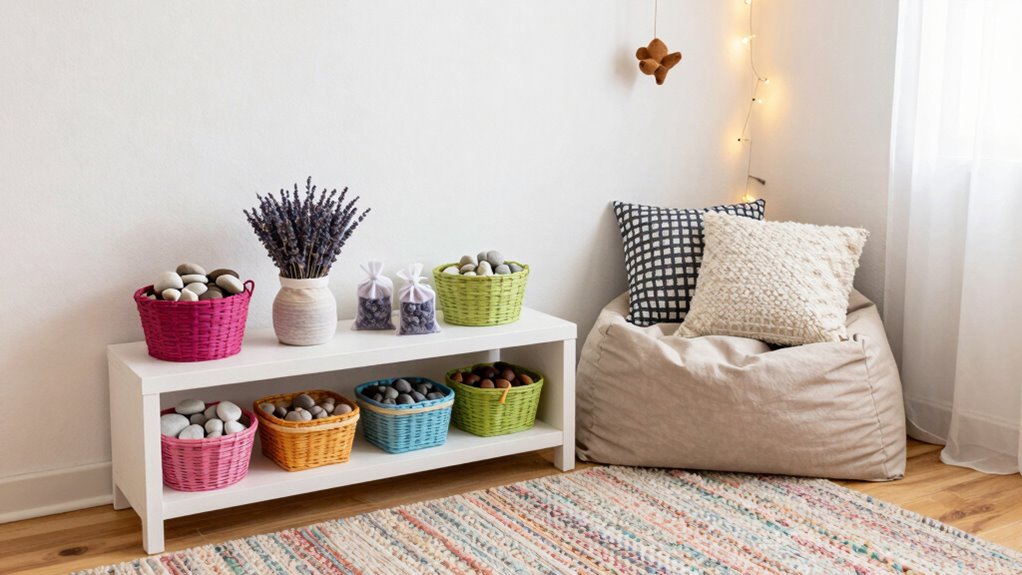
In addition to textures, a bright color scheme can make your sensory corner inviting and stimulating without overwhelming the senses. Use vibrant hues such as yellows, oranges, or calming blues to create a cheerful atmosphere. Bright colors can energize the space and attract attention, encouraging children to explore and engage. Balance these lively shades with softer, neutral tones to prevent overstimulation. You might paint one wall with a playful, bright mural or add colorful cushions and rugs to brighten the area. The goal is to strike a harmony that invites curiosity and comfort simultaneously. Incorporating sensory-friendly design principles can enhance the overall effectiveness of the space.
When arranging your sensory corner, consider accessibility and safety. Place sensory toys and tools within easy reach, so users can independently explore different textures and colors. Use storage bins or baskets to keep things organized and prevent clutter, which can be distracting or overwhelming. Incorporating elements like sensory bottles, textured balls, or soft lighting to enhance the calming environment can be especially beneficial. Keeping the space organized and clutter-free ensures that it remains a calming retreat rather than an overwhelming space. Adding appropriate sensory stimuli can further support emotional regulation and sensory exploration. It’s also helpful to include safe, non-toxic materials to ensure the space remains secure and suitable for all users. Keep in mind that the space should be versatile, allowing for quiet reflection or active sensory play, depending on the needs of the user. Additionally, incorporating calming sensory stimuli can help create a balanced environment that supports emotional regulation.
Lighting also plays an essential role. Natural light is ideal, but if that’s limited, opt for soft, warm lighting options like string lights or lamps with dimmer switches. This creates a soothing ambiance that complements the calming textures and bright colors. The overall goal is to craft a space that feels safe, inviting, and stimulating in a balanced way. When you combine calming textures with a bright color scheme, you create a sensory corner that encourages exploration while also providing a peaceful retreat. This thoughtful design helps foster sensory development, emotional regulation, and overall well-being in a cozy, personalized space.
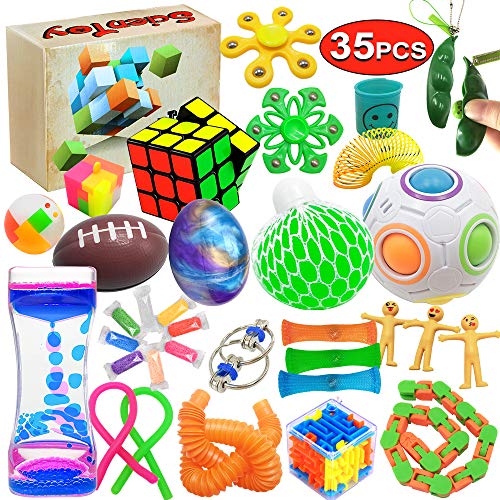
Scientoy Fidget Toy Set, 35 Pcs Sensory Toy for ADD, OCD, Autistic Children, Adults, Anxiety Autism to Stress Relief and Anti Anxiety with Motion Timer, Perfect for Classroom Reward with Gift Box
- Includes 35 Variety Fidget Toys: Assorted sensory toys with rainbow ball and more
- High-Quality, Safe Materials: Made from non-toxic, odorless ABS plastic
- Meet Safety Standards: Complies with ASTM, CPC, EN71 standards
As an affiliate, we earn on qualifying purchases.
As an affiliate, we earn on qualifying purchases.
Frequently Asked Questions
What Safety Precautions Should I Consider for a Sensory Corner?
You should prioritize safety guidelines that support sensory integration while ensuring your space is secure. Use non-toxic, hypoallergenic materials and avoid small items that pose choking hazards. Install soft, cushioned mats and secure furniture to prevent tipping. Keep sharp objects out of reach, and supervise your child at all times. Regularly inspect toys and equipment for wear. Following these precautions helps create a safe, calming environment tailored to your child’s sensory needs.
How Do I Customize a Sensory Corner for Specific Sensory Needs?
Did you know that 1 in 6 children experience sensory processing challenges? To customize your sensory corner, focus on sensory integration by incorporating tactile stimulation tailored to specific needs. Use different textures, like soft fabrics or rough surfaces, to target tactile sensitivities. Observe how your child responds, then adjust materials accordingly. Personalizing the space helps foster comfort and engagement, making sensory play both effective and enjoyable for their unique sensory profile.
What Age Groups Are Best Suited for Sensory Corners?
Sensory corners are best suited for children of all ages, especially those benefiting from sensory integration and calming techniques. For younger kids, soft textures and gentle lights work well, while older children might enjoy more complex sensory toys or calming activities. You can adapt the space to suit their developmental needs, helping them regulate emotions and improve focus through tailored sensory experiences. Always observe how they respond and modify accordingly.
How Often Should I Update or Change Sensory Items?
You should update or change sensory items regularly, about every few weeks or when they show signs of wear. Rotating sensory toys keeps your space engaging and prevents boredom. Incorporate calming techniques by replacing overstimulating items with soothing textures or soft lighting. This guarantees your sensory corner remains effective and fresh, supporting your child’s sensory development and emotional regulation while keeping the environment stimulating and comforting.
Can a Sensory Corner Help With Anxiety or Emotional Regulation?
A sensory corner can considerably aid with anxiety and emotional regulation. It supports sensory integration by providing calming stimuli that help you manage overwhelming feelings. The emotional benefits include a safe space for relaxation, reducing stress, and fostering self-awareness. By engaging with sensory activities, you can better regulate emotions, feel more centered, and develop coping strategies, making your sensory corner a valuable tool for emotional well-being.
Conclusion
Creating a sensory corner at home is like planting a tiny oasis where calm and curiosity bloom side by side. With thoughtful choices and a sprinkle of creativity, you turn a simple space into a soothing sanctuary tailored to your needs. Remember, it’s your personal haven—embrace the process, tweak as you go, and watch it become a nurturing retreat where senses are gently awakened and comfort is always within reach.