
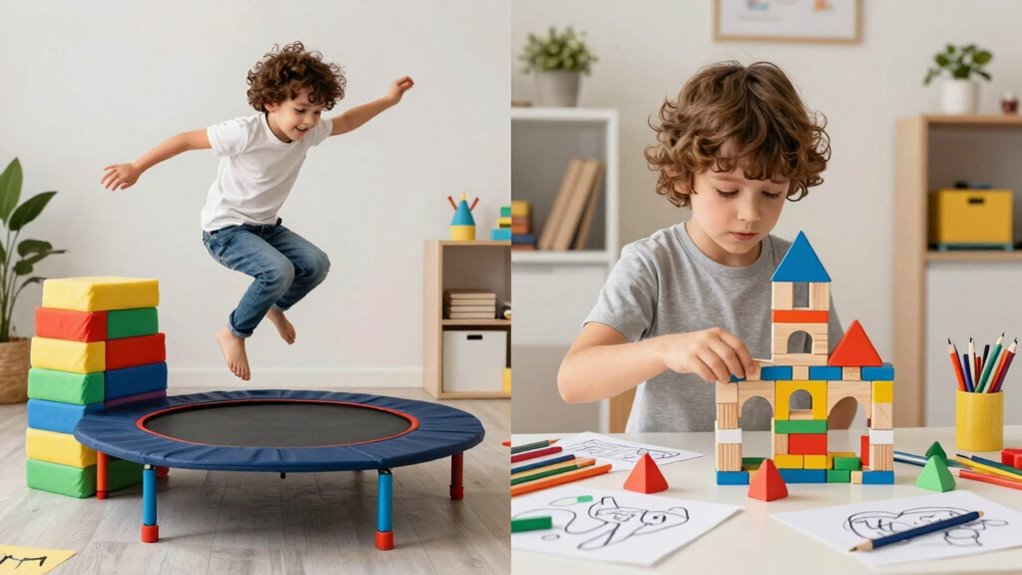

When choosing between active and creative toys, consider your child’s interests, developmental stage, and specific skills you want to support. Balance energetic toys that promote movement and physical health with imaginative options that boost cognitive and emotional growth. Pay attention to variety, ensuring each type complements the other for a well-rounded experience. If you keep exploring, you’ll discover how to tailor toy choices for your child’s unique needs and growth.

Turn the school run and nap time into listening time
- Thousands of audiobooks, podcasts and originals
- Listen on your phone, tablet or Echo — also offline
- Cancel anytime
Key Takeaways
- Assess your child’s interests to select toys that align with their preferred type of play.
- Consider their developmental stage to choose toys that support current skills and promote growth.
- Balance active and creative toys to encourage both physical health and imaginative development.
- Match toy choices to specific developmental goals, such as motor skills or cognitive abilities.
- Provide a variety of toys to ensure diverse, engaging, and well-rounded play experiences.
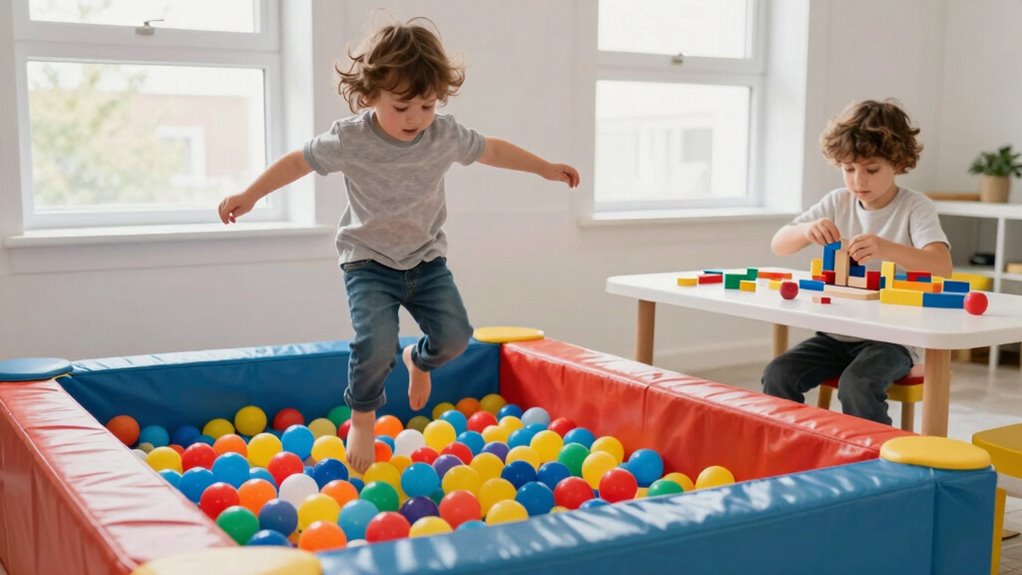
Are you wondering whether to choose active or creative toys for your child? Making this decision can feel overwhelming, especially with so many options available. The key is to consider what benefits each type of toy offers and how they support your child’s growth. Active toys, like balls, ride-on vehicles, and climbing sets, encourage physical movement, helping your child develop strength, coordination, and overall fitness. These toys are perfect if you want to promote motor skill development, which is vital in early childhood. Active play helps your child build muscle, improve balance, and refine their gross motor skills, all while having fun. It also fosters social interaction if your child plays with peers, teaching cooperation, sharing, and patience. Incorporating motor skill development through active play is essential for your child’s overall physical health and confidence. Additionally, engaging in active play can boost your child’s confidence as they master new physical challenges, contributing positively to their self-esteem.
Active toys promote physical growth, coordination, and social skills through fun, energetic play.
On the other hand, creative toys, such as building blocks, art supplies, and pretend play sets, focus more on the mind. They stimulate imaginative play, allowing your child to explore different scenarios, roles, and stories. These toys help develop your child’s cognitive abilities, language skills, and emotional intelligence. When children engage in imaginative play, they learn to problem-solve, think critically, and express their feelings through their creations. Creative toys also enhance fine motor skills, as children grasp crayons, manipulate small building pieces, or mold clay. Engaging with open-ended exploration can further deepen your child’s ability to think creatively and adapt to new challenges. This type of play encourages open-ended exploration, giving your child the freedom to invent, imagine, and create without strict rules or expectations. Additionally, creative play can serve as a calming activity that helps children develop patience and focus.
Deciding between active and creative toys isn’t about choosing one over the other but finding a balance that suits your child’s personality and developmental needs. If your child is naturally energetic and enjoys physical activity, incorporating more active toys can keep them engaged and help them channel their energy positively. Conversely, if your child shows a vivid imagination or prefers quieter activities, creative toys can nurture their creativity and problem-solving skills. Ideally, a mix of both types will give your child a well-rounded development, promoting physical health and mental agility. Remember that providing diverse play experiences is crucial for comprehensive growth, helping your child thrive in multiple areas.
When selecting toys, think about your child’s current interests and developmental stage. If they’re just starting to walk or run, prioritize active toys that support their motor skill development. If they love storytelling or role-play, creative toys can deepen their imaginative experiences. Remember, the goal is to provide opportunities for diverse play experiences that foster growth across multiple domains. By thoughtfully choosing a combination of active and creative toys, you’ll help your child develop essential skills while ensuring playtime remains fun and engaging.
As an affiliate, we earn on qualifying purchases.
Frequently Asked Questions
How Do I Determine My Child’s Specific Toy Preferences?
To determine your child’s specific toy preferences, observe how they naturally play with different toys. Pay attention to what excites them—whether they enjoy active movement or creative projects. Talk with them about their favorites and notice which toys hold their interest longer. Understanding their toy preferences helps you select options that align with their development benefits, encouraging growth and engagement through toys that match their unique interests and play style.
Are There Age Restrictions for Active Versus Creative Toys?
Yes, there are age restrictions for active and creative toys. You need to take into account toy durability and material safety, ensuring they’re suitable for your child’s age. Picture a toddler gripping a soft, colorful block, or a preschooler climbing safely on a sturdy play structure. Always check age labels, as toys with small parts or too much complexity might pose safety risks for younger kids, while older children need more challenging, durable options.
Can Combining Both Toy Types Benefit My Child’s Development?
Yes, combining active and creative toys benefits your child’s development. Active toys boost motor skills through movement, while creative toys encourage imaginative play and problem-solving. By mixing both, you support physical growth and cognitive development simultaneously. Your child can enjoy energetic activities that improve coordination and also explore their imagination, fostering well-rounded skills. This balanced approach keeps play engaging and helps your kid develop essential abilities in a fun, dynamic way.
How Do I Assess the Safety of Different Toy Options?
To assess toy safety, start by checking if they meet safety standards like ASTM or EN71. Look at the packaging for certification labels. Prioritize material safety by avoiding toys with harmful chemicals, such as BPA or phthalates. Inspect toys for small parts that could pose choking hazards and guarantee they’re sturdy and well-made. Always supervise playtime and replace any damaged or worn toys to keep your child safe.
What Budget Considerations Should I Keep in Mind?
Think of your budget as a garden—you’ll want to plant wisely. When choosing toys, consider pricing strategies that balance quality and affordability. Look for budget-friendly options that offer great value, avoiding overspending on flashy toys that might not last. Set a clear spending limit beforehand, and explore sales or discounts. This approach helps you nurture your child’s play without letting costs grow wild, keeping your wallet and their imagination healthy.
Conclusion
Ultimately, whether you lean toward active or creative toys, you’re gently guiding your child’s growth in wonderful directions. Think of it as offering a rich tapestry of play, where energy and imagination dance together. By blending both types, you create a balanced playground for development and joy. After all, the best choices nurture curiosity and movement, quietly shaping bright, happy futures. Trust your instincts, and enjoy the delightful journey of discovery with your little one.
Fall Picks
fall essentials
As an affiliate, we earn on qualifying purchases.