
To make your sensory table more than just scooping, start by creating a themed environment with decorations, textured materials, and colorful props that match a specific setting like a beach or jungle. Adjustable height features allow kids to explore comfortably at any age, while varied textures and tools promote fine motor skills. Enhance the experience with sensory lighting and sound, and involve children in personalizing the space. Keep exploring to discover ways to turn your sensory table into an immersive learning adventure.

Turn the school run and nap time into listening time
- Thousands of audiobooks, podcasts and originals
- Listen on your phone, tablet or Echo — also offline
- Cancel anytime
Key Takeaways
- Incorporate themed decor, textures, and props to create an immersive and engaging environment.
- Add lighting and sound elements to enrich multisensory experiences beyond just scooping.
- Include tactile materials and tools that promote fine motor skills and sensory exploration.
- Adjust the table’s height to encourage inclusive, collaborative, and growth-oriented play.
- Involve children in decorating and selecting materials to foster ownership, creativity, and curiosity.
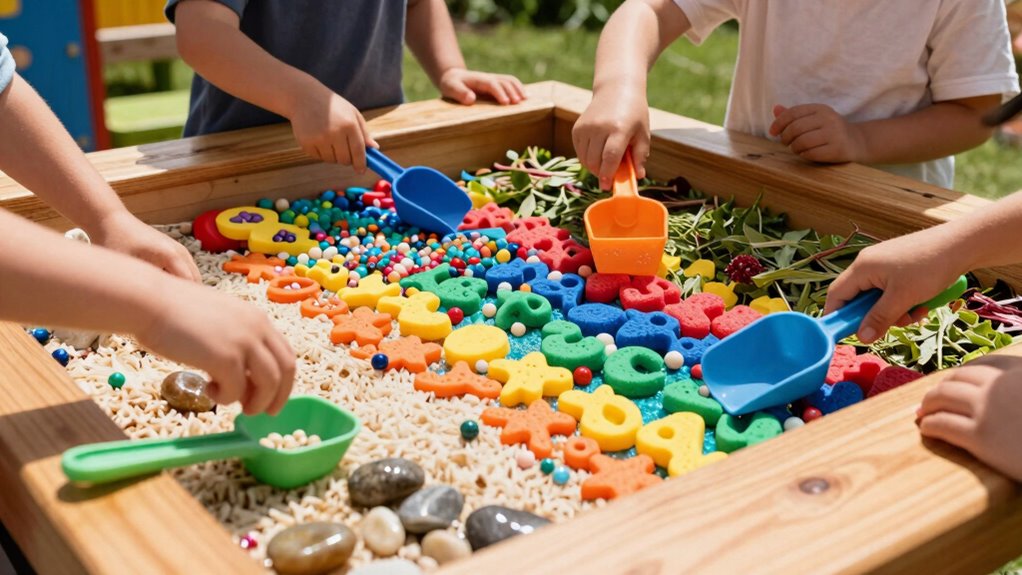
A sensory table is a versatile tool that can do more than just encourage kids to scoop and pour. With a little creativity, you can transform it into a dynamic learning space that stimulates the senses and sparks imagination. One way to do this is by incorporating themed decor. Choose a specific theme—like a beach, jungle, or space adventure—and decorate the table accordingly. Use small figurines, textured materials, and colorful props that match the theme to make the experience immersive. This not only engages children but also helps them connect sensory play with storytelling and role-playing.
Another key aspect to contemplate is the adjustable height feature of your sensory table. An adjustable height table allows you to customize the setup based on the children’s ages and abilities. For younger kids, lowering the table makes it easier for them to reach and explore comfortably. For older children, raising the height can challenge them to extend their reach or facilitate group activities. This flexibility ensures that the sensory table remains accessible and engaging as children grow, encouraging longer play sessions and deeper exploration.
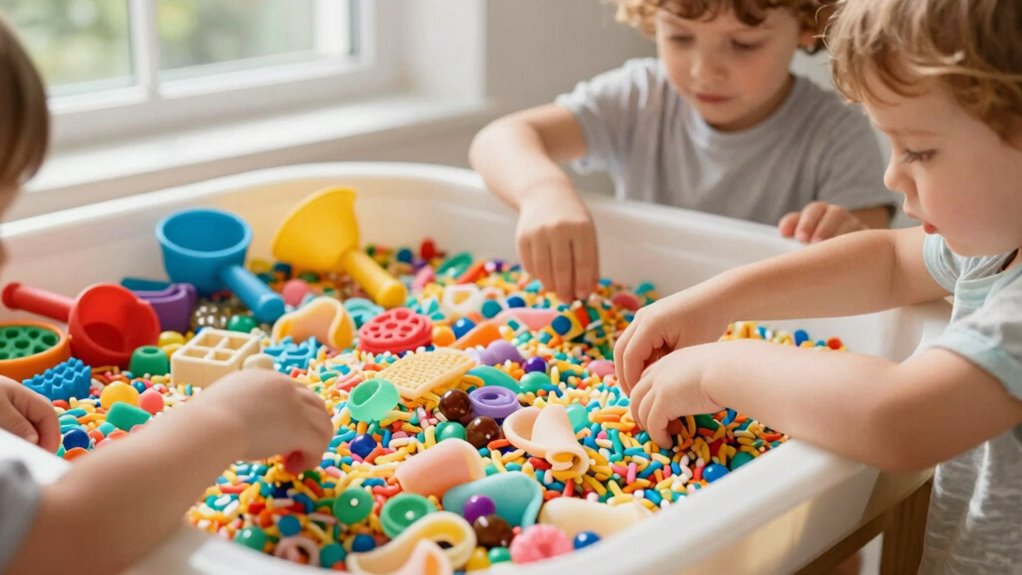
To go beyond basic scooping and pouring, incorporate a variety of textures and materials that align with your chosen theme. For example, if you’re creating a garden theme, add soil, grass-like mats, and flower-shaped objects. For a water-themed setup, include different-sized containers, sponges, and textured shells. These additions invite children to explore tactile differences and develop fine motor skills. You can also add tools like trowels, scoops, or funnels, which promote hand-eye coordination and problem-solving. Integrating sensory-rich materials can significantly enhance the learning experience.
Lighting and sound can elevate the sensory experience further. Use themed lighting—such as colored lamps or fairy lights—to set the mood. Incorporate sound elements like wind chimes or nature recordings that match the theme. These sensory enhancements make the activity more immersive, encouraging children to engage their senses beyond touch and sight. Recognizing the importance of biodiversity and environmental awareness can also inspire themes that promote conservation and respect for nature.
Finally, don’t forget to involve children in the setup process. Let them choose some of the decor, textures, or tools. This participation fosters ownership and curiosity, turning the sensory table into a personalized learning environment. By combining themed decor, adjustable height, tactile materials, and multisensory elements, you can turn a simple sensory table into a rich, engaging space that nurtures creativity, exploration, and development.
adjustable sensory table for kids
As an affiliate, we earn on qualifying purchases.
As an affiliate, we earn on qualifying purchases.
Frequently Asked Questions
What Are Some Creative Themes for Sensory Table Activities?
You can create themed play by choosing fun concepts like underwater adventures, space exploration, or a jungle safari. Incorporate creative obstacles such as tunnels, bridges, or hidden treasures to make activities more engaging. Use different textures and materials related to your theme, like shells or leaves, to enhance sensory experiences. These creative obstacles keep kids excited and encourage imaginative play, transforming your sensory table into an interactive, themed learning station.
How Can Sensory Tables Support Different Developmental Skills?
Sensory tables support your child’s motor skills by encouraging grasping, pouring, and scooping, which refine fine and gross motor development. They also boost cognitive development as children explore textures, experiment with cause-and-effect, and solve problems through activities like sorting or matching. By engaging multiple senses, sensory tables foster critical thinking and coordination, making learning fun and hands-on. This helps your child develop essential skills in a playful, interactive environment.
What Safety Tips Should I Follow for Sensory Table Use?
Safety precautions are your first line of defense to keep kids safe during sensory table play. Always supervise children closely, watching for choking hazards or spills. Use non-toxic, child-safe materials, and verify the table is stable and at a comfortable height to prevent falls. Keep the area clean and dry, and establish clear rules. Remember, a watchful eye is worth its weight in gold—staying alert guarantees everyone stays safe and enjoys the activity.
How Do I Clean and Maintain a Sensory Table?
To keep your sensory table clean and well-maintained, establish regular cleaning routines using warm, soapy water or a diluted vinegar solution for sanitizing. Rinse thoroughly and dry after each use to prevent mold and bacteria buildup. Check for cracks or damages and repair or replace parts as needed. Maintenance tips also include covering the table when not in use and inspecting the materials regularly to guarantee safety and longevity.
What Are Budget-Friendly Materials for Sensory Table Setups?
Did you know that many teachers save up to 50% on materials with DIY alternatives? To create a budget-friendly sensory table setup, use household items like plastic containers, old bins, or repurposed storage solutions. You can also fill the table with inexpensive items such as rice, pasta, or water beads. These options are affordable, reusable, and easy to clean, making your sensory activities engaging without breaking the bank.
Conclusion
So, next time you set up your sensory table, remember—it’s not just about scooping. You might think you’re just keeping kids busy, but really, you’re releasing their creativity and curiosity. Ironically, the simple act of mixing, pouring, or exploring can turn into unforgettable learning moments. So go ahead, make it more than just scooping—because sometimes, the simplest activities create the most extraordinary discoveries. And who knew, all that from a bucket of rice or beans?
Halloween Picks
halloween
As an affiliate, we earn on qualifying purchases.