Printmaking for kids using everyday objects is a fun and easy way to spark creativity. You can turn household items like potatoes, corks, sponges, and bottle caps into stamps. Simply dip them in paint or ink and press onto paper to create unique patterns and textures. This approach makes art approachable and affordable while encouraging experimentation. If you keep exploring, you’ll discover even more ways to help kids enjoy and learn from printmaking.
Key Takeaways
- Kids can create unique prints by using everyday objects like potatoes, corks, and sponges as homemade stamps.
- Simple materials and household items make printmaking accessible, affordable, and fun for children.
- Dipping objects in ink or paint and pressing onto paper encourages exploration of textures and patterns.
- Using everyday objects helps children develop fine motor skills and understand basic printmaking concepts.
- This hands-on activity fosters creativity, pattern recognition, and confidence in young artists.
Printmaking is a fun and creative activity that introduces kids to the world of art while helping them develop important skills like patience and attention to detail. When you explore printmaking with children, one of the most exciting methods to try is monotype techniques. This process involves creating a unique image on a smooth surface, such as a glass or acrylic sheet, which can then be transferred onto paper with a press or by hand. It’s perfect for kids because it emphasizes spontaneity and encourages experimentation. Kids can paint, draw, or even smear ink onto the surface, then carefully press paper on top to reveal a one-of-a-kind print. The beauty of monotype techniques lies in their unpredictability—each print is different, making the experience more engaging and less intimidating for beginners. Kids learn to observe how different marks and textures translate into printed images, helping sharpen their artistic eye and understanding of color blending.
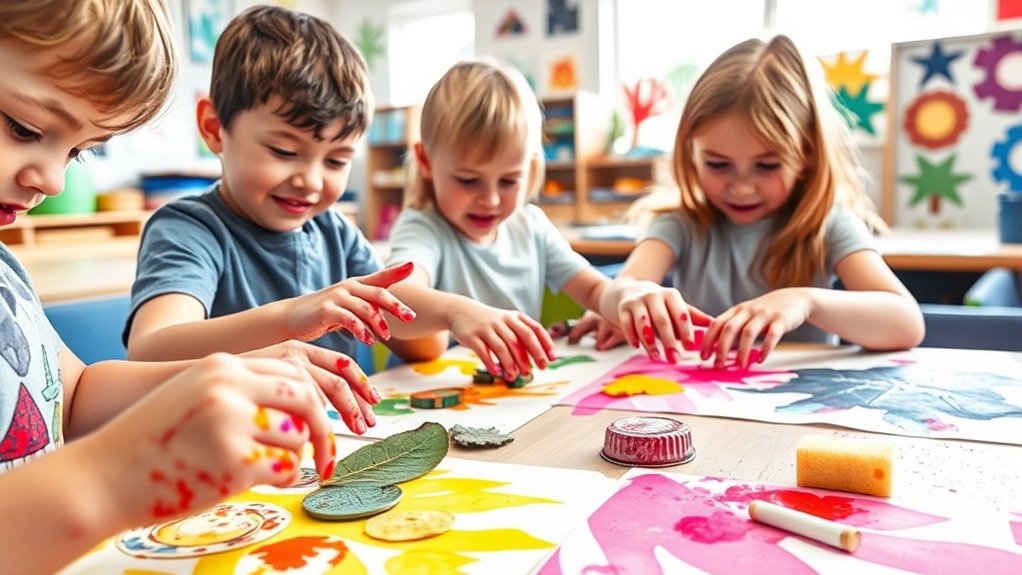
Another simple and fun way to get kids involved in printmaking is through stamp creation. You can guide them in making stamps from everyday objects—potato halves, corks, sponges, or even bottle caps—turning ordinary items into tools for printmaking. This activity is ideal because it combines crafting with art, and kids love the tactile experience of shaping their own stamp designs. Once their stamp is ready, they can dip it in ink or paint and press it onto paper repeatedly to create patterns, scenes, or abstract designs. This process not only helps develop their fine motor skills but also teaches concepts like repetition, pattern recognition, and symmetry. Kids quickly see how different stamps produce different effects, which boosts their confidence and encourages creative thinking.
Using everyday objects for stamp creation makes printmaking accessible and affordable. You don’t need special equipment—just a few household items and some kid-safe ink or paint. As they experiment with their homemade stamps, children will start to understand how different textures and shapes influence the print. It’s a great way to introduce them to the fundamentals of printmaking without the pressure of perfect results. Plus, they can personalize their stamps, making each print session more meaningful and fun. Additionally, understanding how different textures and shapes impact the print can help children develop a deeper appreciation for various artistic techniques.

Bobblebro Linocut Kit for Printmaking, Stamp Making Kit with Carving Tools
- Create Unique Block Prints: Handmade designs for personalized crafts
- Complete Printmaking Set: Includes blocks, ink, tools, and papers
- Professional Carving Tools: Six blades with secure handle storage
As an affiliate, we earn on qualifying purchases.
As an affiliate, we earn on qualifying purchases.
Frequently Asked Questions
What Safety Precautions Should I Take During Printmaking With Kids?
You should childproof your workspace by securing sharp tools and keeping dangerous materials out of reach. Always use non-toxic inks and paints to guarantee safety if kids accidentally touch their mouth or eyes. Supervise children closely during the activity, and encourage proper handwashing afterward. Keep a first aid kit nearby in case of minor injuries, and ensure good ventilation to avoid inhaling fumes from inks or cleaning agents.
How Can I Adapt Printmaking for Children With Allergies?
Sure, adapting printmaking for kids with allergies is a breeze. You just skip the usual inks and switch to hypoallergenic ink, ensuring a safe experience. Use latex-free tools to prevent any allergic reactions, and choose non-toxic, gentle materials. It’s ironic, isn’t it? The “dangerous” art becomes totally safe and fun when you make these simple swaps, turning printmaking into an inclusive activity for every child.
What Are Inexpensive Materials for Kids’ Printmaking Projects?
You can use recycled materials and household items as inexpensive printmaking supplies. Items like cardboard, plastic bottles, bottle caps, sponge pieces, and foam trays work great for creating stamps and textures. You can also repurpose old newspapers, corks, or sponges to make unique prints. These materials are affordable, readily available, and safe for kids, making them perfect for fun, creative printmaking projects without breaking the bank.
How Do I Teach Kids About Printmaking History and Techniques?
Did you know printmaking dates back over 1,000 years? To teach kids about printmaking history and techniques, start by sharing engaging stories about famous printmakers and their innovations. Use simple demonstrations of techniques like relief, intaglio, or stenciling, and relate them to modern practices. Incorporate hands-on activities to help kids understand the evolution of printmaking, making history come alive through interactive learning and creative exploration.
What Are Creative Ways to Display Kids’ Printmaking Artwork?
You can display kids’ printmaking artwork creatively by setting up gallery displays in your home or classroom, showcasing their best pieces on walls or bulletin boards. Additionally, you can create digital portfolios to organize and share their art with family and friends online. Use frames, clipboards, or hanging strings to add variety, making sure each piece gets the attention it deserves and encourages their artistic confidence.
Conclusion
Now that you’ve explored printmaking with everyday objects, you’ve turned simple items into tools for creativity. Just like a kitchen sponge can create beautiful patterns, your imagination can turn a paper plate into art. It’s funny how something so ordinary can produce extraordinary images. So, keep experimenting and have fun—because in art, even the smallest object can make the biggest impression. Your next masterpiece might be hiding in your own junk drawer!