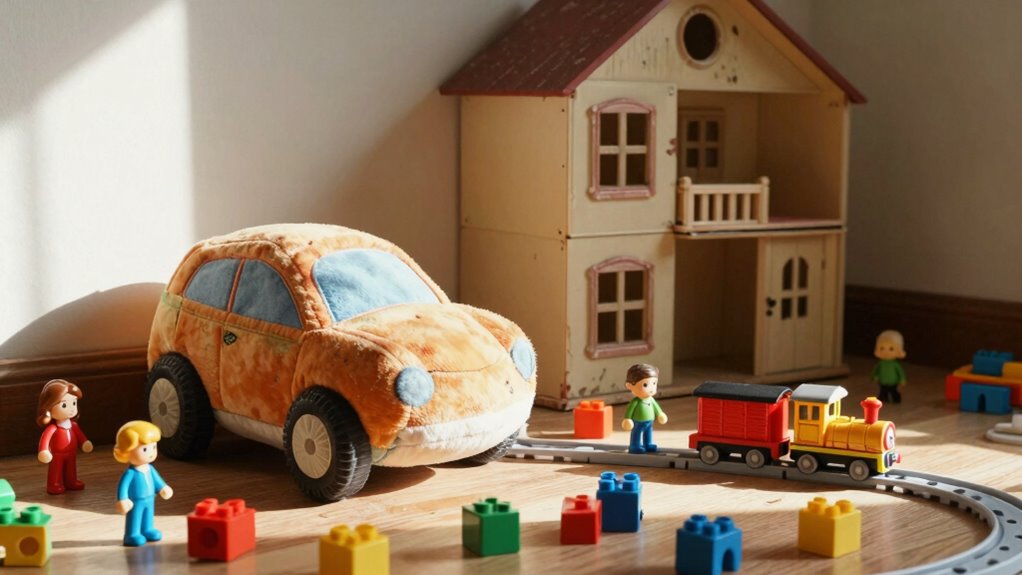

Toys that get used daily are those that fit your child’s interests, are easy to understand, and support creative and developmental play. When a toy aligns with what your child genuinely enjoys and matches their age, they’re more likely to play with it often. Simple, versatile designs that don’t require complicated instructions also encourage spontaneous use. If you want to discover more about how to choose toys your child will love every day, keep exploring these helpful insights.

Turn the school run and nap time into listening time
- Thousands of audiobooks, podcasts and originals
- Listen on your phone, tablet or Echo — also offline
- Cancel anytime
Key Takeaways
- Toys that align with a child’s interests and developmental stage naturally attract more frequent use.
- Simple, intuitive, and versatile designs encourage spontaneous and ongoing creative play.
- Easy accessibility and organized placement increase the likelihood of regular engagement.
- Toys that offer ongoing challenges and opportunities for mastery boost sustained interest.
- Safety, comfort, and ergonomic features promote confident, frequent handling and exploration.
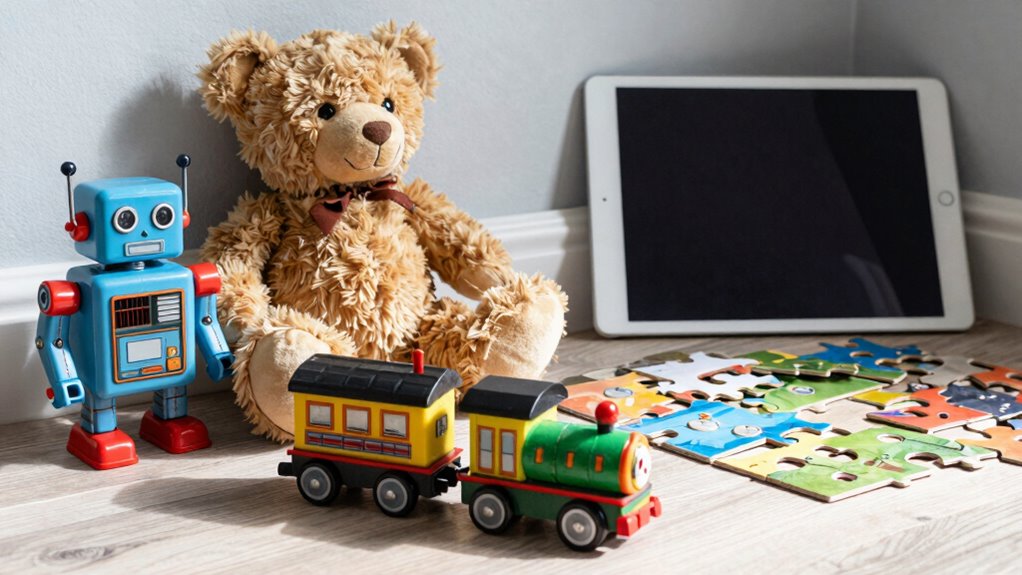
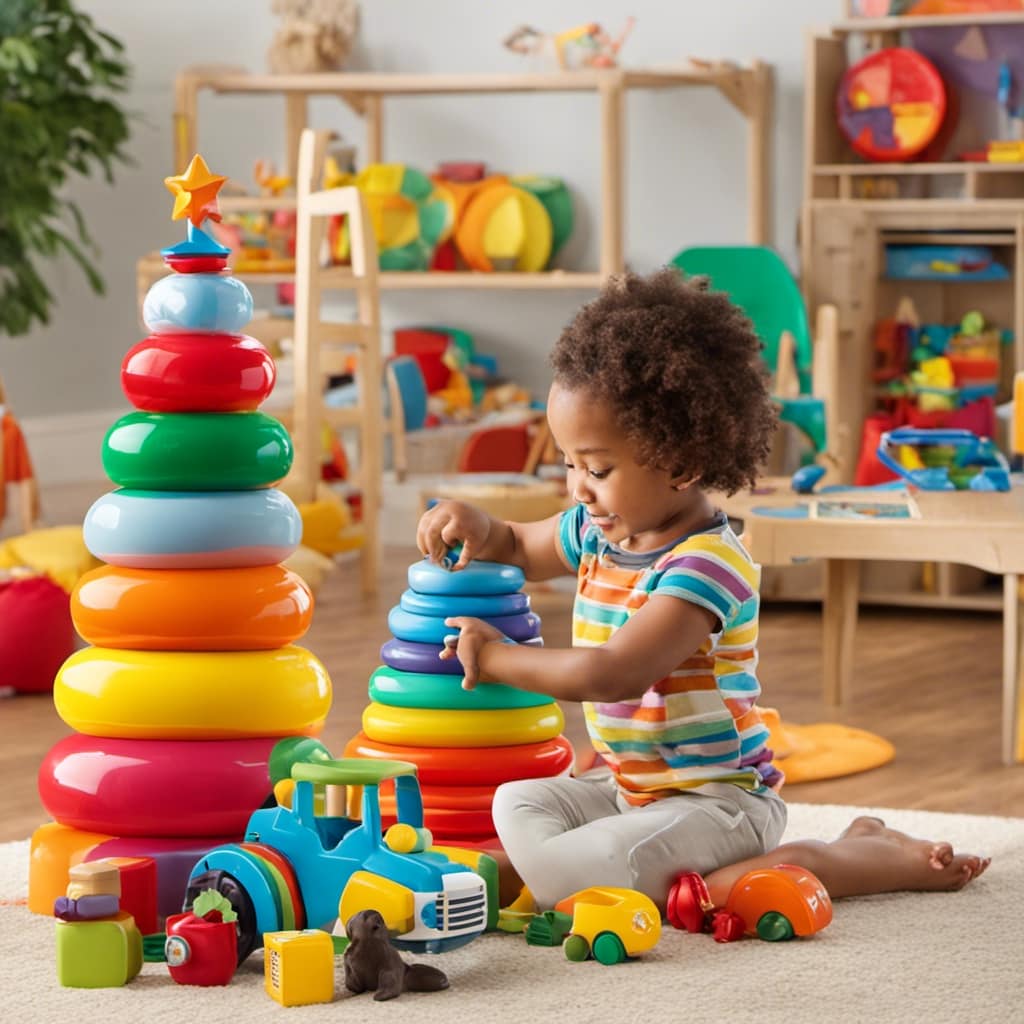
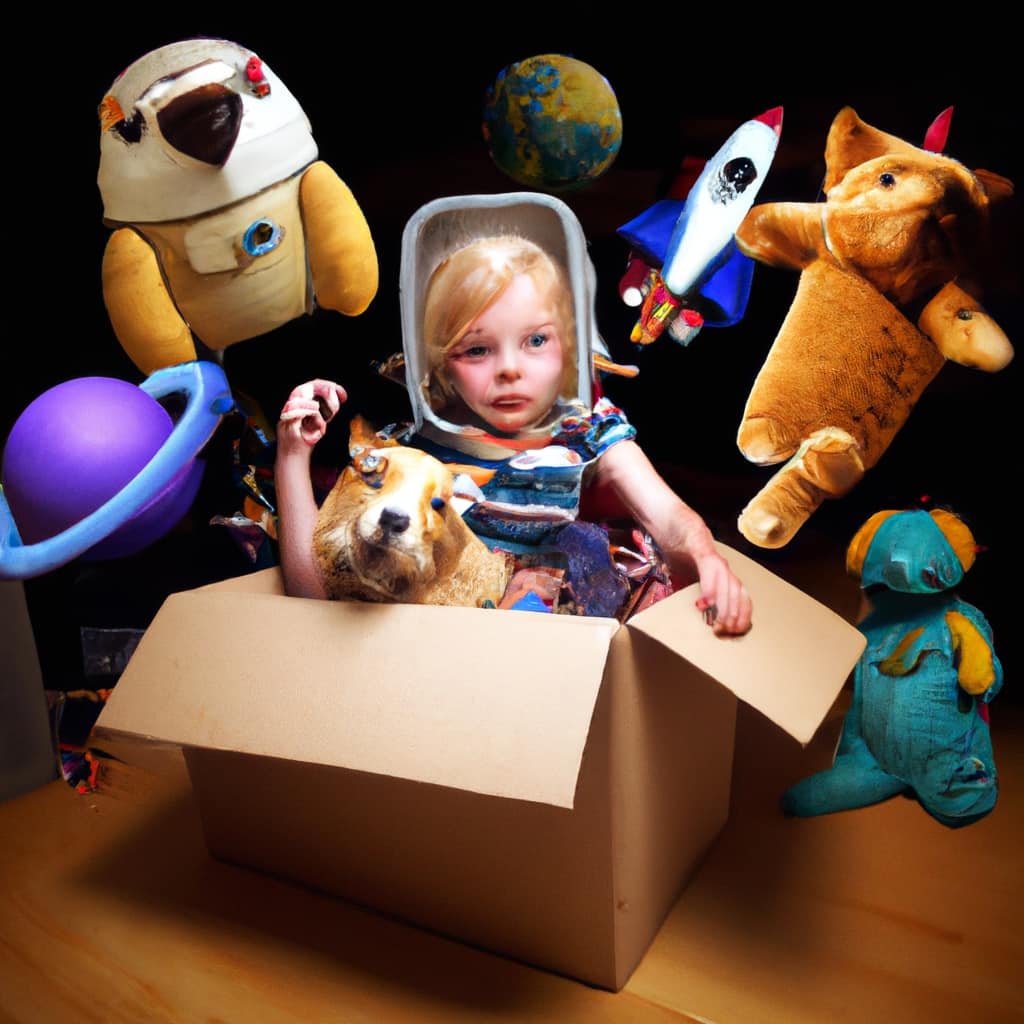
Have you ever wondered why some toys become your child’s favorites while others are left untouched? It often comes down to how the toy sparks their imagination and supports their growth. Toys that promote creative play tend to be used more frequently because they offer endless possibilities. When your child can imagine different scenarios, roles, or stories with a toy, they feel more engaged and motivated to keep playing. For example, a simple set of building blocks can transform into castles, rockets, or cities, giving your child the freedom to create whatever they envision. This kind of creative play not only keeps their interest but also contributes markedly to their developmental benefits, including problem-solving, fine motor skills, and spatial awareness.
Creative toys inspire endless imagination, boosting your child’s growth and keeping them engaged through fun, open-ended play.
Toys that align with your child’s interests and developmental stage naturally get more attention. When a toy resonates with what they’re curious about or helps them master new skills, it becomes a tool for learning and exploration. For instance, a musical instrument like a small keyboard or drum set can become a favorite because it combines fun with sensory stimulation and coordination development. Toys that challenge your child just enough—without feeling frustrating—encourage repeated use, fostering confidence and perseverance. This balance between challenge and success makes a toy more appealing and ensures your child keeps coming back to it. Sometimes, age-appropriate toys that suit their current skills can significantly enhance their enthusiasm for play.
Another key reason some toys are ignored while others are used daily is how intuitive they are to play with. Toys that are easy to understand and operate, without complicated instructions, invite spontaneous play. When your child quickly figures out how a toy works, they’re more likely to stay engaged. Conversely, toys that require a lot of setup or seem confusing can quickly be discarded. Additionally, toys that can be used in multiple ways tend to be favored because they offer variety without needing new purchases. This versatility supports ongoing creative play, which in turn offers ongoing developmental benefits, and versatile toys can adapt to evolving interests over time. The design simplicity of a toy greatly influences how easily children can incorporate it into their play routines. Moreover, ergonomic design ensures that toys are comfortable and safe for children to handle, further encouraging frequent use.
Furthermore, the environment in which toys are placed can influence their usage. An accessible and engaging environment encourages children to explore their toys more naturally, leading to more frequent play sessions. When you observe which toys your child gravitates toward and why, you can better understand their preferences and developmental needs. Choosing toys that promote creative play and provide developmental benefits will encourage your child to engage more deeply and frequently. When they find joy and purpose in their toys, they’re naturally motivated to play with them every day, turning simple objects into powerful tools for growth and learning.
creative open-ended building blocks for kids
As an affiliate, we earn on qualifying purchases.
As an affiliate, we earn on qualifying purchases.
Frequently Asked Questions
How Do Children’s Individual Preferences Influence Toy Usage?
Your child’s individual preferences greatly influence toy usage because they are drawn to toys that match their personal and sensory preferences. If a toy appeals to their interests or provides the sensory input they enjoy, they’ll use it frequently. Conversely, toys that don’t align with their preferences may be ignored, regardless of their educational or entertainment value. Understanding these preferences helps you choose toys that keep your child engaged and happy daily.
Does Age Affect How Often Children Play With Certain Toys?
Yes, age affects how often children play with certain toys. As you observe, age milestones and developmental stages influence their preferences. Younger children often enjoy soft, colorful toys, while older kids prefer more complex, challenging ones. Toys matching their current abilities keep them engaged, whereas toys outside their developmental stage may get ignored. By choosing age-appropriate toys, you help foster their growth and keep playtime enjoyable.
What Role Do Peer Influences Play in Toy Popularity?
Peer influences greatly impact toy popularity because children often seek social acceptance. You notice that peer pressure and social trends can make certain toys more desirable, as kids want to fit in with friends who have the latest gadgets or trendy dolls. When peers showcase enthusiasm for a toy, you’re more likely to want it too, because social validation boosts your confidence and makes the toy seem more appealing.
How Does Toy Durability Impact Long-Term Usage?
Your toy’s durability can make or break its long-term use. When you choose toys made with high-quality materials and wear resistance, they stand up to endless play, almost like superheroes resisting the test of time. These toys won’t break or wear out quickly, keeping your child engaged and entertained for years. Investing in durable toys means fewer replacements and more lasting fun, making playtime memorable and stress-free.
Can Parental Involvement Change a Child’s Toy Preferences?
Yes, your parental influence can definitely change a child’s toy preferences. When you actively engage with your child during play, you foster emotional attachment to certain toys. This emotional bond makes them more likely to choose and cherish those toys regularly. Your involvement shows your interest and support, encouraging your child to develop a stronger connection with specific toys, ultimately shaping their preferences and ensuring those toys get used daily.
Conclusion
Think of your toy collection as a garden—some toys bloom and thrive, while others fade away unnoticed. The ones you use daily are like vibrant flowers, constantly nurtured by your attention and imagination. Toys that get ignored are like wilted leaves, left behind and forgotten. To keep your playtime lively, focus on the toys that spark your curiosity and joy. After all, a well-tended garden grows the brightest, most unforgettable memories.
Fall Picks
fall essentials
As an affiliate, we earn on qualifying purchases.