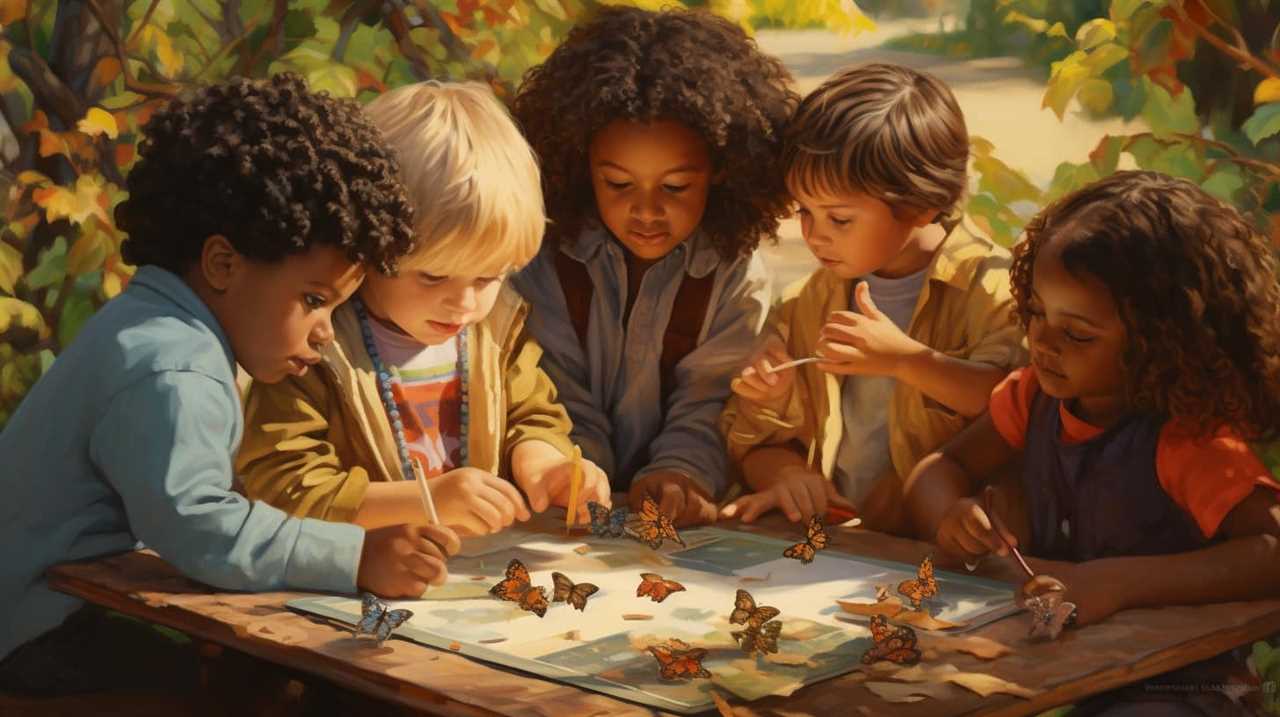
To build seasonal toy rotation themes for preschoolers, start by matching toys and activities to each season’s unique features, like water play in summer or harvest-themed puzzles in fall. Include outdoor exploration tools and involve children in choosing their favorites to boost engagement and ownership. Use seasonal decor and cues to reinforce themes, making play environments dynamic and exciting. Keep experimenting with different ideas, and you’ll discover more ways to create a fun, enriching seasonal experience.

Get baby and family essentials delivered free — and shop member deals
- Fast, free delivery on millions of items
- Access to Prime Big Deal Days deals on October 6–7
- Prime Video, Amazon Music and more included
Key Takeaways
- Align toy themes with seasonal changes, such as pumpkins in fall or water play in summer.
- Incorporate seasonal outdoor exploration tools like gardening kits or nature scavenger hunts.
- Use seasonal decorations and labels to visually connect toys to the current theme.
- Involve children in selecting and suggesting toys and activities for each season.
- Rotate toys and activities regularly to maintain engagement and promote developmental skills.

Creating a seasonal toy rotation for preschoolers is an effective way to keep their playtime engaging and developmentally enriching. When you plan your rotations thoughtfully, you encourage curiosity and help children develop new skills while preventing boredom. To do this successfully, you should consider how indoor activities and outdoor exploration can complement each other. During colder months, indoor activities become especially important. Think about selecting toys that promote fine motor skills, such as puzzles, building blocks, and art supplies. These toys can stimulate creativity and problem-solving, all while fitting comfortably inside your play area. Rotate these regularly so children always have fresh challenges, which keeps their interest high and their brains engaged.
As the seasons change, so should your toy themes. When winter gives way to spring, start introducing outdoor exploration toys like magnifying glasses, bird feeders, or gardening tools. These items encourage children to observe nature, fostering a sense of wonder and curiosity about the environment. The *shift* from indoor activities to outdoor exploration helps children develop gross motor skills and learn about the natural world firsthand. During warmer months, you might set up themed outdoor play stations—such as a mini farm or a “nature discovery” zone—where children can dig, plant, or collect natural objects. These stations can be rotated weekly to keep outdoor exploration fresh and exciting. Incorporating biodiversity concepts into your outdoor activities can further deepen children’s understanding and appreciation of the natural environment. Additionally, environmental awareness can be promoted through educational stories and activities linked to seasonal themes. Recognizing seasonal changes can also help children develop an understanding of climate variations and their impact on daily life. Furthermore, integrating seasonal patterns into your planning can help children better anticipate and adapt to changes in their environment. Including environmental education in your seasonal activities can foster a lifelong respect for nature and sustainability.
Incorporating seasonal themes into your toy rotation also involves thoughtful packaging and presentation. Label toys with seasonal decorations or themes to create a visual connection to the time of year. For example, in fall, include pumpkin-shaped puzzles or leaf-themed art supplies. In summer, you might add water toys or sandboxes to your outdoor setup. When rotating toys, consider how they fit into the broader theme of the season and how they can be integrated into both indoor activities and outdoor exploration. This approach helps children see connections and reinforces their understanding of seasonal changes.
Finally, involve children in the process. Let them help choose toys for each season or suggest outdoor exploration activities they’re curious about. This participation increases their engagement and ownership of playtime. Remember, the goal is to keep play meaningful and aligned with their developmental needs and interests. With a balanced mix of indoor activities and outdoor exploration, carefully themed and rotated throughout the seasons, you create a dynamic environment where preschoolers can thrive, explore, and learn year-round.
seasonal outdoor exploration toys for preschoolers
As an affiliate, we earn on qualifying purchases.
As an affiliate, we earn on qualifying purchases.
Frequently Asked Questions
How Often Should I Change the Toy Themes Seasonally?
You should change toy themes seasonally every 2 to 3 months to keep preschoolers engaged and excited. This timing aligns well with updating seasonal decor and allows for toy maintenance, ensuring toys stay clean and safe. Regularly rotating themes helps prevent boredom, encourages new play ideas, and keeps your space fresh. By scheduling these updates, you create a dynamic environment that supports your child’s development and curiosity throughout the year.
What Are Budget-Friendly Ways to Update Toy Themes Each Season?
You can update toy themes on a budget by creating a creative display using inexpensive materials like fabric, paper, and natural elements. Incorporate themed crafts that repurpose existing toys or household items, giving them new life. Rotate toys based on the season’s theme, and add simple decorations to enhance the visual appeal. This approach keeps the environment fresh and engaging without spending much, making learning fun and economical.
How Can I Involve Preschoolers in Choosing Seasonal Toys?
You can involve preschoolers in toy selection by offering them choices aligned with the season, encouraging child involvement in the process. Present a few options for seasonal toys and let them pick their favorites, fostering decision-making skills and excitement. This approach not only makes toy selection more engaging but also helps you understand their preferences, ensuring your toy rotation reflects their interests and supports their developmental growth.
What Safety Considerations Are Important for Seasonal Toys?
You should prioritize toy safety and material safety when selecting seasonal toys. Guarantee toys are free from small parts that pose choking hazards, especially for younger children. Check that materials are non-toxic, BPA-free, and durable to withstand play. Regularly inspect toys for damage like cracks or loose pieces. By focusing on these safety measures, you protect preschoolers from potential hazards, creating a safe and enjoyable seasonal play environment.
How Do I Store Unused Toys During Off-Seasons?
You find yourself organizing toys, coincidentally realizing that proper toy storage solutions make all the difference. To store unused toys during off-seasons, use sturdy containers or bins, and label them with seasonal toy labels for easy identification. Keep the storage in a cool, dry place away from sunlight. This way, you guarantee toys stay in good condition and are ready to reintroduce when the season returns.
Conclusion
By creating seasonal toy rotation themes, you make playtime as fresh as a spring breeze and as exciting as a treasure hunt. You’ll keep preschoolers engaged and enthusiastic to explore new toys, while also teaching them about the changing seasons. Think of it like a colorful garden that blooms anew each year—your thoughtful planning ensures their play is both fun and educational. With a little effort, you’ll turn everyday toys into endless adventures!
Halloween Picks
halloween
As an affiliate, we earn on qualifying purchases.