To design a Waldorf-inspired playroom, focus on creating a warm, natural space filled with open-ended toys like wooden blocks and silk scarves that spark imagination. Use simple, furniture made of unfinished wood and keep clutter minimal to foster calmness and independence. Incorporate natural light, earthy colors, and plants to deepen the nature connection. By choosing thoughtful materials and organization, you’ll craft a nurturing environment that promotes creativity and holistic growth—exploring more reveals how to build this space step by step.
Key Takeaways
- Use natural materials like wood, wool, and silk to create a warm, tactile environment that stimulates senses and encourages open-ended play.
- Minimize clutter with open shelving and baskets, fostering calmness, order, and independent exploration.
- Incorporate soft, natural lighting and earthy tones to promote tranquility and a peaceful atmosphere.
- Choose simple, natural furniture such as low tables, small chairs, and unfinished wood shelves to support movement and comfort.
- Include plants or a small indoor garden to deepen connection to nature and inspire curiosity and responsibility.

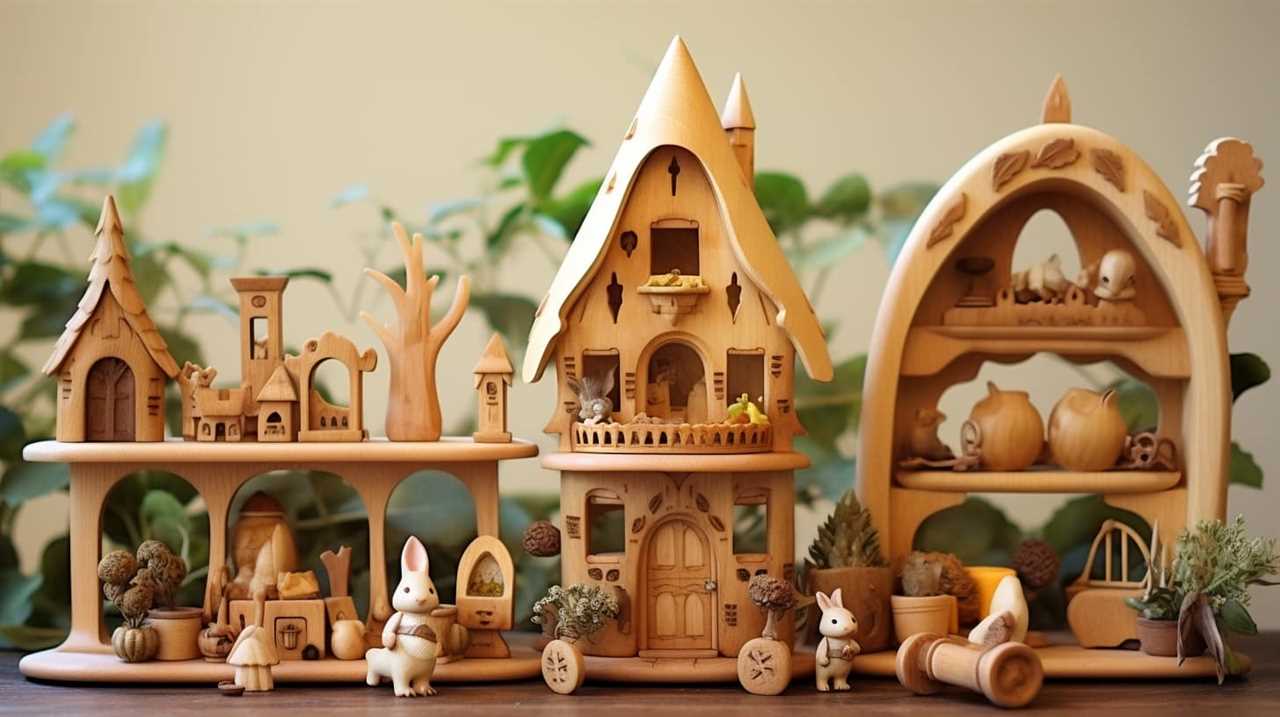
Creating a Waldorf-inspired playroom involves more than just selecting toys; it’s about fostering an environment that nurtures imagination, independence, and a deep connection to nature. To achieve this, focus on incorporating natural materials that evoke warmth and authenticity. Choose wooden blocks, wool felt animals, and silk scarves instead of plastic toys. These natural materials are not only safe and durable but also stimulate the senses, encouraging tactile exploration and soothing play. When you select open-ended toys, you give children the freedom to imagine, create, and invent. For example, simple wooden shapes can become anything from a castle to a spaceship, depending on the child’s imagination. This type of play promotes problem-solving skills and emotional development, as they learn to manipulate and transform their environment freely.
Foster imagination and independence with natural, open-ended toys that inspire creative play and emotional growth.
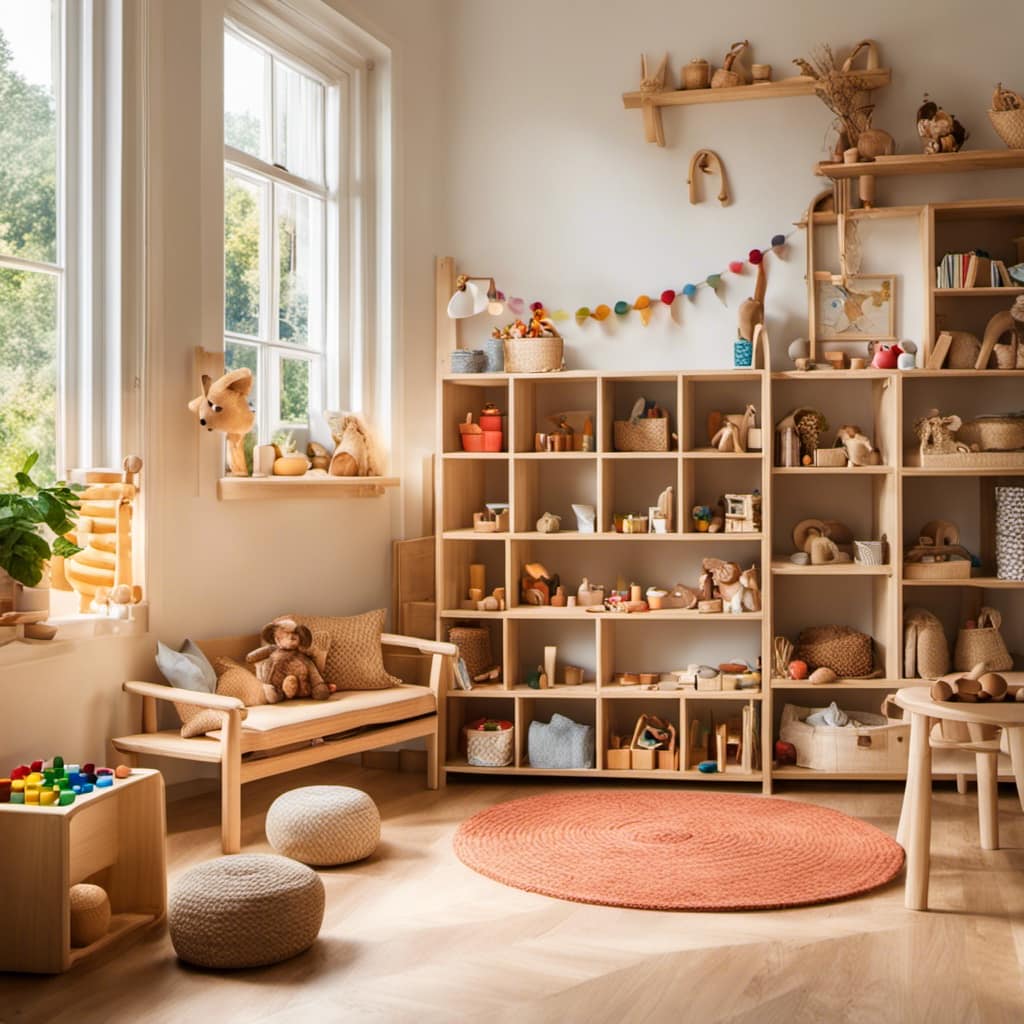
In designing the space, keep clutter to a minimum to foster a sense of calm and order. Use open shelving and baskets to organize toys neatly, making it easy for your child to access their playthings independently. Remember, the goal isn’t just about aesthetics but about creating an inviting environment that encourages self-directed play. Soft, natural lighting and earthy tones on walls and furniture further enhance the connection to nature and promote a peaceful atmosphere. Avoid overstimulating colors or busy patterns, as these can distract from the calming environment you want to cultivate.
When choosing furniture and materials, prioritize simplicity and naturalness. Low tables, small chairs, and shelves made from unfinished wood invite children to move freely and engage comfortably. Incorporate elements from the outdoors, such as plants or a small indoor garden, to deepen the connection to nature and encourage responsibility and care. Keep the design flexible, allowing spaces to be adapted for different activities — whether it’s drawing, building, or quiet reflection. This openness supports the Waldorf ideal of nurturing a child’s natural curiosity and independence.
Additionally, being aware of emerging AI vulnerabilities and safety concerns helps ensure that the digital aspects integrated into modern play environments are secure and trustworthy. Finally, involve your child in the process of arranging and caring for their playroom. This not only teaches responsibility but also strengthens their sense of ownership and connection to their environment. By thoughtfully choosing natural materials and open-ended toys, you create a space where imagination flourishes and children feel safe to explore and express themselves. A Waldorf-inspired playroom isn’t just a place for play — it’s a nurturing environment that supports your child’s holistic development.
Frequently Asked Questions
How Can I Incorporate Natural Materials Into the Playroom?
You can incorporate natural materials into your playroom by choosing natural fiber rugs that add warmth and texture. Hang wooden mobiles to stimulate visual development and create a calming atmosphere. Opt for wooden furniture and toys made from organic materials to keep the environment grounded in nature. These touches help foster creativity and a sense of harmony, making the space inviting for your child’s imaginative play.
What Are Some Budget-Friendly Waldorf-Inspired Decor Ideas?
You can create a Waldorf-inspired playroom on a budget by trying DIY craft projects like making your own soft, natural textiles or painted wooden toys. Upcycled furniture, such as repurposing old wooden crates or dressers, adds warmth and character without spending much. These ideas bring natural elements into your space, fostering a cozy, inviting environment that encourages imaginative play without breaking the bank.
How Do I Ensure the Space Promotes Open-Ended Play?
To foster open-ended play, you need to keep the door open for imagination and discovery. Encourage imaginative storytelling and creative problem-solving by providing versatile, natural materials like wooden blocks, fabric, and simple art supplies. Avoid overly structured toys, and instead, create a cozy, inviting environment that invites children to explore freely. When you give children space to invent their own stories, they’ll develop their creativity and critical thinking skills naturally.
Which Colors Are Most Suitable for a Calming Environment?
You should choose a soothing color palette grounded in color psychology, such as soft blues, gentle greens, and warm neutrals. These colors promote calmness and relaxation, creating a calming environment for your child. Avoid bright or overly stimulating hues, as they can disrupt a peaceful atmosphere. By selecting these gentle tones, you foster a serene space that encourages mindfulness and restful play, supporting your child’s emotional well-being.
How Can I Personalize the Playroom for Different Ages?
You can personalize the playroom by selecting age-appropriate toys that grow with your child, ensuring they stay engaged at every stage. Add personalized wall art featuring their favorite themes or characters to make the space truly theirs. Keep the layout flexible, so it adapts as they develop. This way, your playroom becomes a dynamic, inspiring environment that nurtures their unique interests and growth over the years.
Conclusion
Creating a Waldorf-inspired playroom balances simplicity with imagination, transforming everyday space into a haven of wonder. While it’s easy to get caught up in colorful toys and flashy gadgets, focusing on natural materials and open-ended play encourages genuine creativity. It’s like choosing quiet, handwritten notes over loud, digital alerts—both have their place, but one nurtures your child’s soul. Embrace the gentle, timeless charm of a Waldorf-inspired space, and watch imagination flourish in the quietest corners.