
Waldorf play often ages well with children because it nurtures their natural creativity, encouraging unstructured outdoor activities that evolve with their growth. It helps children explore freely, develop confidence, and connect deeply with nature. This approach promotes resilience by focusing on the process of creation rather than just the final product. As your child grows, they continue to develop curiosity and problem-solving skills, fostering a lifelong love of art and discovery—you’ll see how these qualities flourish over time.

Turn the school run and nap time into listening time
- Thousands of audiobooks, podcasts and originals
- Listen on your phone, tablet or Echo — also offline
- Cancel anytime
Key Takeaways
- Waldorf play emphasizes natural creativity, fostering a lifelong love of artistic expression and curiosity.
- Outdoor, unstructured activities support emotional resilience, patience, and confidence over time.
- Using natural materials encourages environmental respect and mindful engagement with nature.
- The focus on process over product nurtures perseverance and authentic self-expression.
- Imaginative and innovative play develop resilience and problem-solving skills that grow with the child.
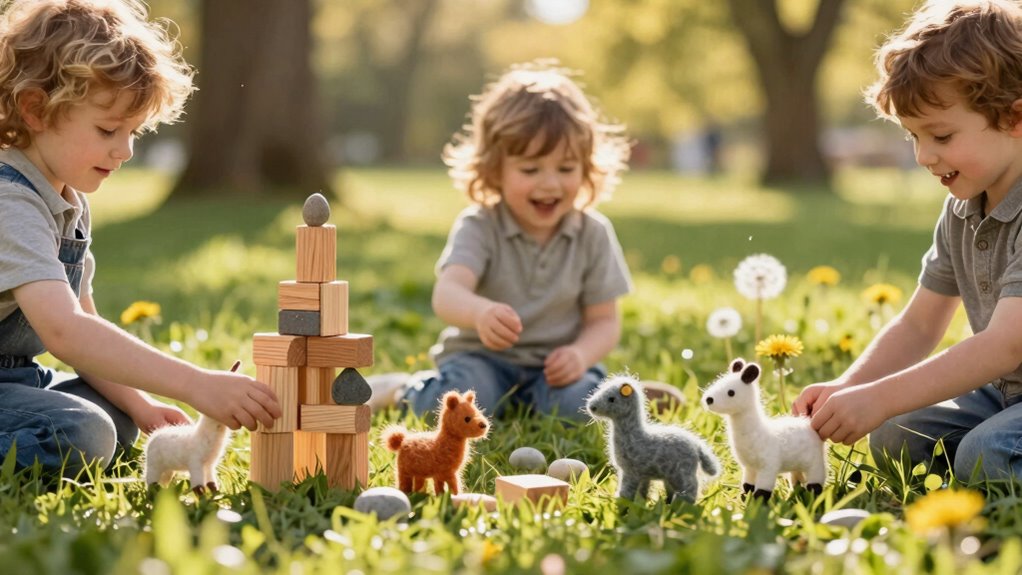
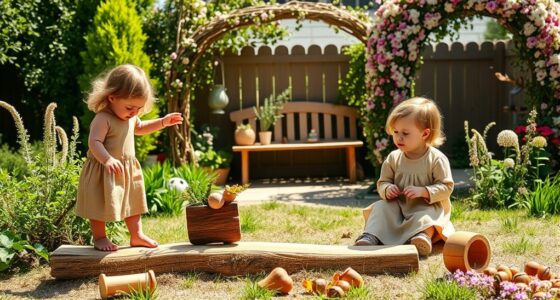
Waldorf play emphasizes nurturing a child’s natural creativity and imagination through purposeful, unstructured activities. When you create environments that allow children to explore freely, they develop a deep sense of curiosity and confidence. One of the key reasons Waldorf play ages well with children is its focus on fostering genuine artistic expression. Instead of rigid lessons or predefined outcomes, children are encouraged to use their imagination to turn simple materials into something meaningful. You might see a child transforming a stick into a magic wand or a pile of leaves into a treasure chest. This kind of creative outdoor play isn’t just fun—it helps children learn to see the world through their own unique lens, building confidence in their artistic abilities that can last a lifetime.
In Waldorf settings, outdoor spaces become essential for nurturing this artistic expression. When children engage in creative outdoor activities, they connect with nature on a visceral level. They learn to observe textures, colors, and patterns in their surroundings, which feeds their artistic sensibilities. You’ll notice children gathering natural materials, like stones, flowers, or twigs, to build sculptures or storytelling scenes. These moments of unstructured outdoor play give children the freedom to experiment, invent, and express themselves without the constraints of adult-directed tasks. This not only enhances their artistic skills but also strengthens their emotional resilience, as they learn to trust their instincts and ideas. Additionally, engaging with natural environments fosters a connection to biodiversity, which supports their overall understanding of the environment and sustainability. Recognizing the importance of natural materials in Waldorf play encourages children to develop a respectful relationship with the environment. Incorporating natural elements into play also helps children develop a mindful appreciation of nature, which can foster a lifelong respect for the environment.
Because Waldorf play emphasizes process over product, children develop a love for discovery and self-expression that ages well. When you provide opportunities for creative outdoor activities, children become comfortable exploring their feelings and ideas through art. They learn that mistakes are part of the creative process, which fosters perseverance and adaptability. Over time, this approach nurtures a lifelong passion for artistic pursuits, whether that’s drawing, storytelling, or hands-on craftsmanship. This focus on process helps children develop patience and a sense of ownership over their creations, reinforcing the importance of effort and growth.
Most importantly, Waldorf play helps children develop a sense of authenticity in their artistic expression. As they grow, this foundation of uninhibited creativity supports their ability to think innovatively and solve problems creatively. You’ll see children carrying their imaginative spirit into new challenges, confidently using their artistic skills to navigate the world. In this way, Waldorf play isn’t just about having fun in the moment; it’s about cultivating a resilient, creative mindset that continues to flourish as children mature.
natural wooden outdoor playset for kids
As an affiliate, we earn on qualifying purchases.
As an affiliate, we earn on qualifying purchases.
Frequently Asked Questions
How Does Waldorf Play Influence Children’s Long-Term Emotional Development?
Waldorf play fosters long-term emotional development by strengthening emotional resilience and attachment security. When you encourage open-ended, imaginative activities, children learn to navigate their feelings and develop empathy. This nurturing environment helps them build confidence and trust, which lasts into adulthood. By emphasizing creative, unstructured play, Waldorf education cultivates emotional stability and resilience, ensuring children grow into emotionally secure individuals who can handle life’s challenges effectively.
Are Waldorf Play Benefits Consistent Across Different Cultural Backgrounds?
Yes, Waldorf play benefits are generally consistent across different cultural backgrounds. You’ll find that its focus on cultural adaptability and play diversity allows children worldwide to thrive. Waldorf play encourages creativity, social skills, and emotional growth regardless of culture, making it a universally beneficial approach. By emphasizing diverse play experiences and respecting cultural differences, you help children develop a well-rounded, resilient personality that ages well with them.
Can Waldorf Play Methods Be Integrated Into Traditional School Settings?
You can definitely integrate Waldorf play methods into traditional school settings by designing a creative curriculum that emphasizes hands-on, imaginative activities. Imagine a classroom where art, storytelling, and natural materials blend seamlessly with standard subjects. Classroom integration becomes natural when you prioritize child-centered learning, fostering creativity and emotional development alongside academics. This approach enriches education, making it more engaging and nurturing, while respecting the unique developmental needs of every child.
What Is the Role of Parents in Facilitating Waldorf Play at Home?
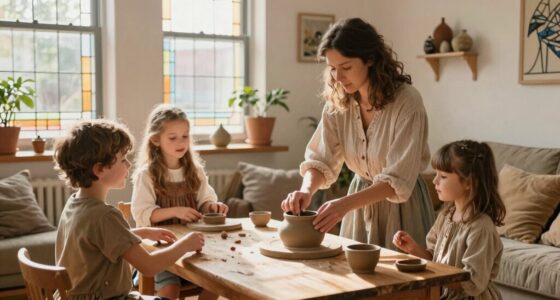
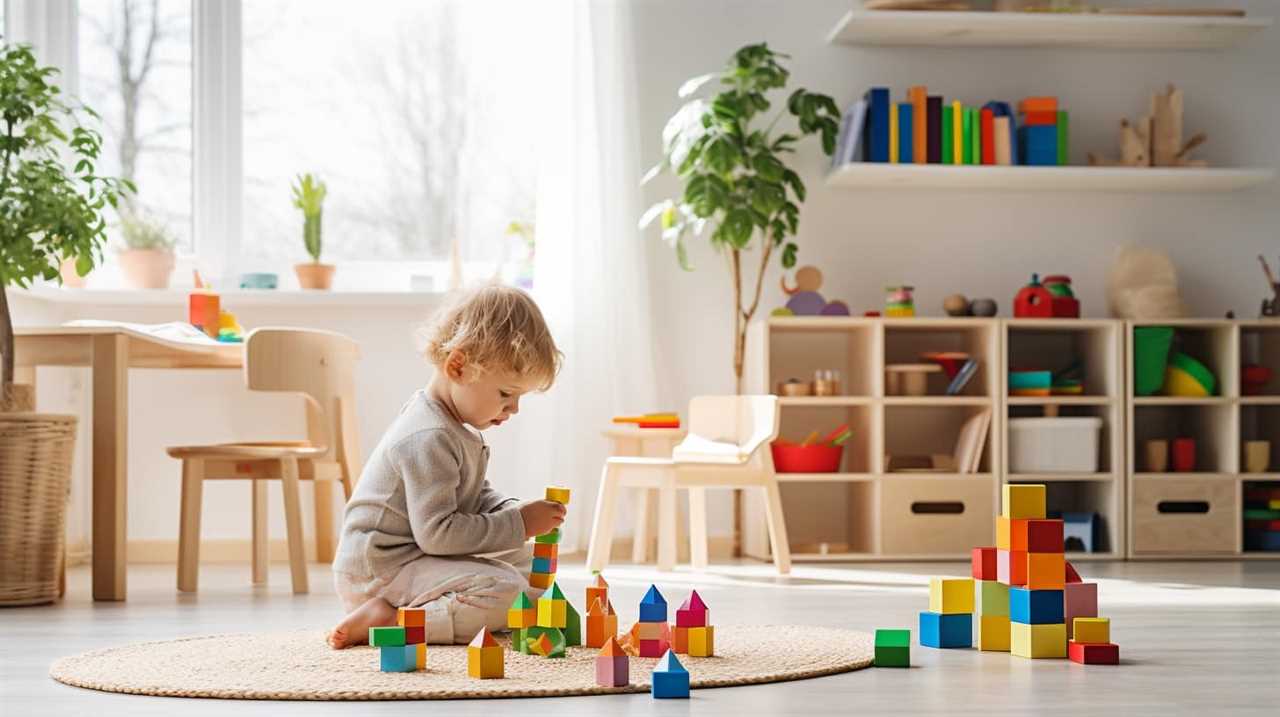
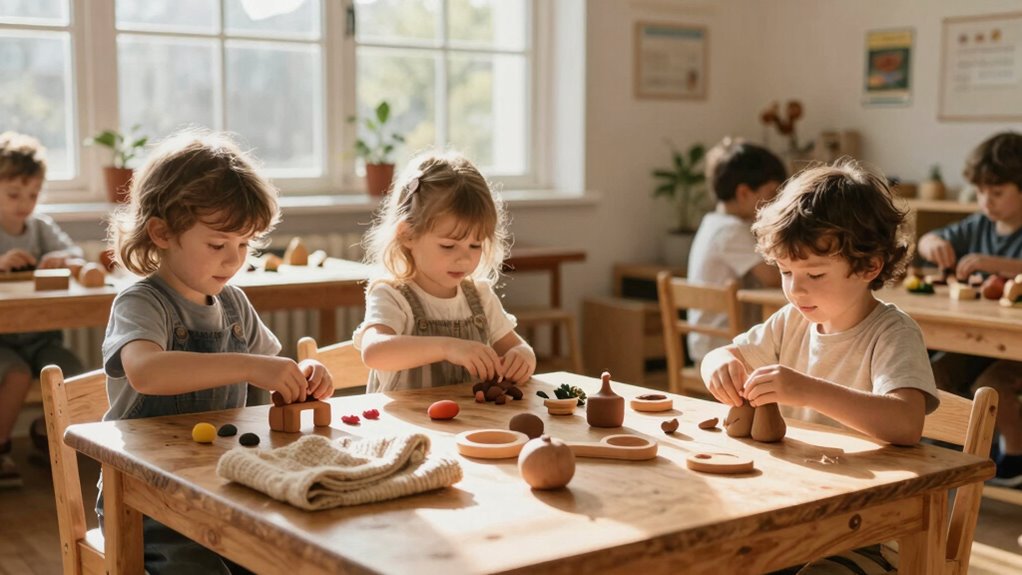
You play a crucial role in fostering Waldorf play at home by encouraging creative expression and sensory exploration. Provide natural materials like wood, wool, and clay, and create a calm, inviting environment. Let your child lead their play, avoiding structured activities. Join in gently, supporting their imagination and senses, which helps their development and nurtures a deep connection with their inner world. Your involvement makes their play meaningful and enriching.
How Does Waldorf Play Impact Children’s Social Skills Over Time?
Coincidences often highlight how Waldorf play enhances social skills over time. You see, through creative collaboration and imaginative exploration, children learn to share, negotiate, and empathize naturally. They develop patience and problem-solving skills while engaging in open-ended play, which fosters deep connections. Over time, these experiences translate into better communication and social understanding, helping children navigate relationships confidently and compassionately as they grow.
Conclusion
As you watch children weave through their imaginative worlds, you see the gentle glow of Waldorf play nurturing their spirits. It’s like sunlight filtering through leaves, warming and sustaining young minds and hearts. With each moment of creative freedom, you witness their innocence bloom, and their joy deepen. Waldorf play isn’t just fleeting fun—it’s a timeless dance that ages gracefully, leaving behind a trail of resilient, joyful souls ready to embrace life’s endless possibilities.
Cold & flu season Picks
humidifiers
As an affiliate, we earn on qualifying purchases.