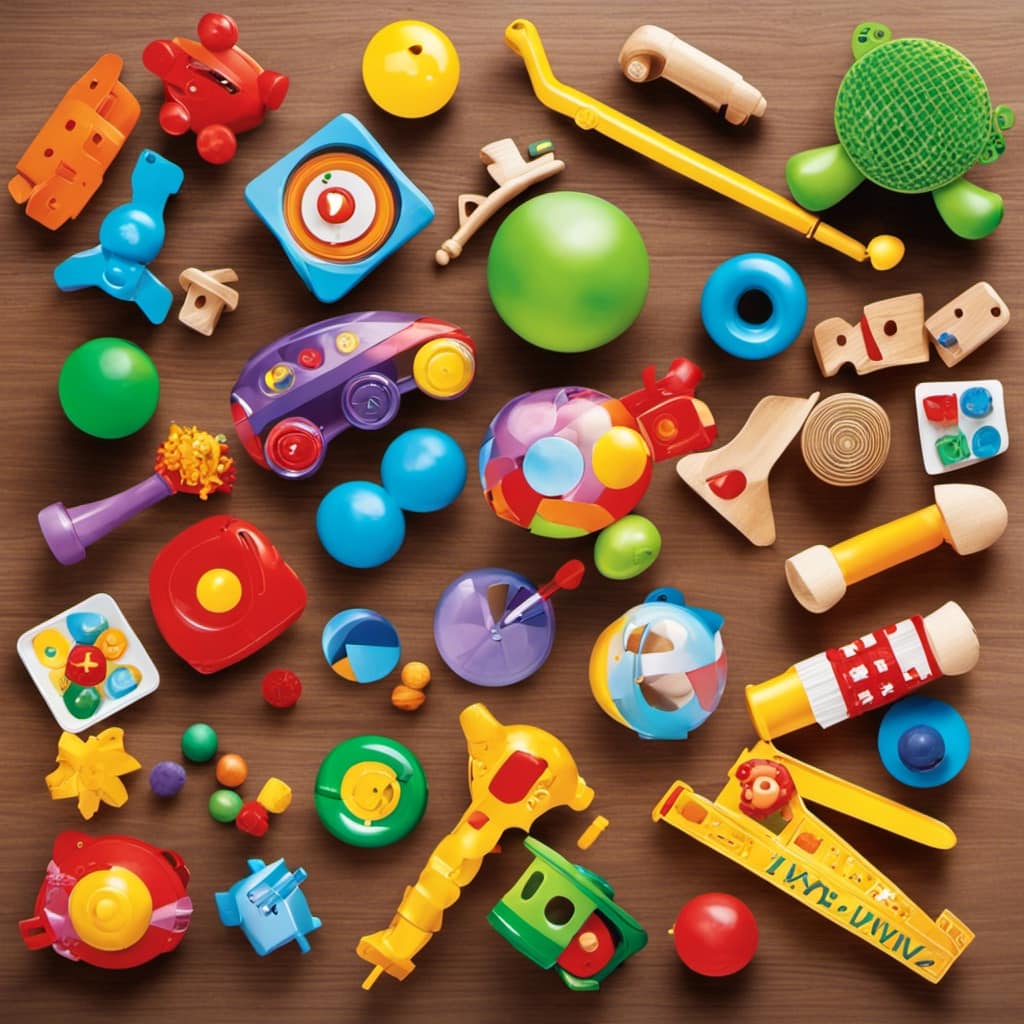
Your home environment plays a key role in shaping your child’s play quality by creating safe, engaging spaces that stimulate their senses. Incorporating natural elements, organizing designated areas, and ensuring safety allow your child to explore confidently. Showing enthusiasm and providing diverse textures, sounds, and visuals boost their curiosity and learning. A thoughtful environment supports development and independence. Keep exploring how to enhance your space further and discover even more benefits.

Turn the school run and nap time into listening time
- Thousands of audiobooks, podcasts and originals
- Listen on your phone, tablet or Echo — also offline
- Cancel anytime
Key Takeaways
- Well-organized, designated play areas promote sustained engagement and support diverse activities.
- Sensory-rich environments enhance exploration, curiosity, and deeper learning experiences.
- Incorporating natural elements fosters environmental awareness and stimulates imagination.
- Ensuring safety allows children to explore confidently and independently.
- Enthusiastic adult involvement and a positive attitude encourage active participation and joyful play.

Your home environment plays a vital role in shaping the quality of play for children. When you create a space that encourages exploration and creativity, you’re helping your child develop essential skills like problem-solving, coordination, and social interaction. One of the most important aspects to contemplate is sensory stimulation. Children learn about their world through their senses, so providing diverse textures, sounds, colors, and smells can considerably enhance their play experiences. Think about including tactile toys, colorful art supplies, or musical instruments that invite your child to touch, hear, and see. These elements stimulate their senses and foster curiosity. Incorporating sensory-rich environments can further deepen their engagement and learning. However, while designing a stimulating environment, safety considerations should always come first. You need to guarantee that the space is secure and free from hazards that could cause injuries. Secure furniture to walls, cover sharp edges, and keep small objects out of reach to prevent choking hazards. A safe environment allows children to explore freely without constant supervision, which boosts their confidence and independence during play.
In addition to safety, organizing your home to create designated play areas can make a substantial difference in the quality of play. Clear zones for different activities—like a reading nook, a building corner, or an art station—give your child the freedom to switch between different kinds of play effortlessly. When these spaces are inviting and well-stocked with age-appropriate toys and materials, your child is more likely to engage in sustained, meaningful play. You can also promote sensory stimulation by incorporating natural elements such as plants, stones, or water features where appropriate, making the environment more dynamic and engaging. Incorporating biodiversity into the home environment not only enriches sensory experiences but also fosters an understanding and appreciation for nature. Creating a stimulating environment involves thoughtfully selecting elements that encourage curiosity and exploration, which can significantly impact your child’s development. Including these natural elements can also teach children about environmental awareness, laying the groundwork for lifelong respect for nature. Additionally, introducing nature-inspired toys can further enhance sensory input and stimulate imaginations. Keep in mind, too, that clutter can hinder play, so maintaining an organized space helps your child focus and use their imagination more effectively. Promoting an organized space also teaches children valuable skills in tidiness and responsibility from an early age.
Finally, your attitude toward play influences its quality. Showing enthusiasm and participating in your child’s activities can deepen their engagement and enjoyment. By thoughtfully balancing sensory stimulation with safety considerations, you create a home environment that nurtures your child’s natural curiosity and desire to explore. This supportive setting not only makes play more enjoyable but also fosters important developmental milestones. When your home is a safe, stimulating place, you’re giving your child the foundation they need to thrive through play, learning, and discovery.
As an affiliate, we earn on qualifying purchases.
Frequently Asked Questions
How Does Lighting Influence Children’s Play in Different Home Settings?
Lighting considerably influences your child’s play by affecting their mood and engagement. Natural illumination creates a bright, inviting space that encourages exploration and creativity, while artificial lighting can set different tones or be adjusted for comfort during various activities. You can optimize play by balancing natural light with soft, adjustable artificial lighting, ensuring the environment remains stimulating yet cozy, helping your child stay focused and enjoy their playtime fully.
What Role Does Household Noise Level Play in Play Quality?
They say “silence is golden,” and in play, it’s true. Household noise levels directly influence play quality by reducing noise interference, allowing children to concentrate and explore freely. Excessive sound levels can be distracting, interrupting focus and stifling creativity. Maintaining a balanced sound environment helps children engage deeply in play, boosting their development and enjoyment. So, managing household noise is key to fostering a nurturing, stimulating space for kids.
How Can Parents Modify Home Spaces to Enhance Creative Play?
You can enhance creative play by setting up designated sensory zones, like a cozy corner with textured fabrics or a small art station. Use smart storage solutions to keep materials organized and easily accessible, encouraging independent exploration. Clear, inviting spaces motivate your child to experiment and imagine freely. Regularly refresh these zones to keep play engaging, and involve your child in organizing to foster ownership and creativity within your home environment.
Does the Size of a Home Impact the Diversity of Play Activities?
The size of your home definitely impacts the diversity of play activities. With efficient space utilization, you can create multiple play zones, even in smaller areas. Designate specific corners for different types of play, like reading, building, or imaginative tasks. This approach encourages varied activities and keeps your child engaged. Larger homes naturally offer more room for diverse play zones, but smart organization maximizes any space for rich, creative play experiences.
How Do Cultural Differences Affect Home-Based Play Environments?
Cultural differences shape your home-based play environments like a tapestry, weaving diverse norms and parenting styles into your child’s experiences. You might find that cultural norms dictate what’s acceptable or encouraged, influencing the types of play you provide. Parenting styles, whether nurturing or structured, further mold the environment, shaping play’s nature and scope. Embracing these differences helps create a vibrant space that fosters creativity and cultural appreciation.
Conclusion
So, next time you blame your kid’s messy room for poor play, remember—your cluttered chaos is actually a playground masterpiece. A home filled with cozy corners, creative chaos, and a sprinkle of organized mayhem transforms everyday spaces into magic kingdoms and adventure zones. After all, isn’t it delightful how a simple pile of pillows can become a fortress, and a kitchen spoon can turn into a knight’s sword? Truly, your home is the secret playground of endless possibilities.
Halloween Picks
halloween
As an affiliate, we earn on qualifying purchases.