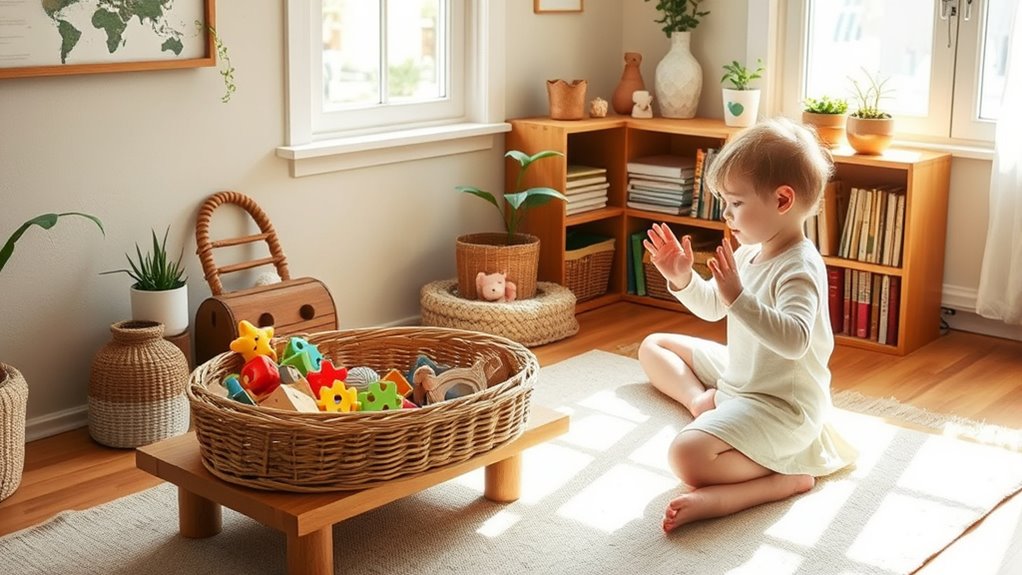

Creating a gentle, predictable rhythm at home helps your child feel secure and supports their natural growth. Begin each day with simple, calming routines like waking, washing, and breakfast to set a positive tone. Balance active play with quiet moments, like stories or crafts, and maintain consistent rest periods. This steady pattern nurtures independence, fosters love for learning, and brings peace to everyday life. Keep exploring to discover ways to build a harmonious, nurturing environment for your family.
Key Takeaways
- Establish gentle, predictable daily patterns to create a calming environment that supports emotional security and confidence.
- Incorporate hands-on, creative activities like baking or gardening to foster learning and fine motor skills.
- Balance active play with calming routines such as storytime or crafts to help children unwind and process experiences.
- Maintain consistent rest and evening routines to promote emotional regulation and strengthen family bonds.
- Seamlessly weave rhythm into daily life to nurture independence, holistic growth, and a harmonious home environment.
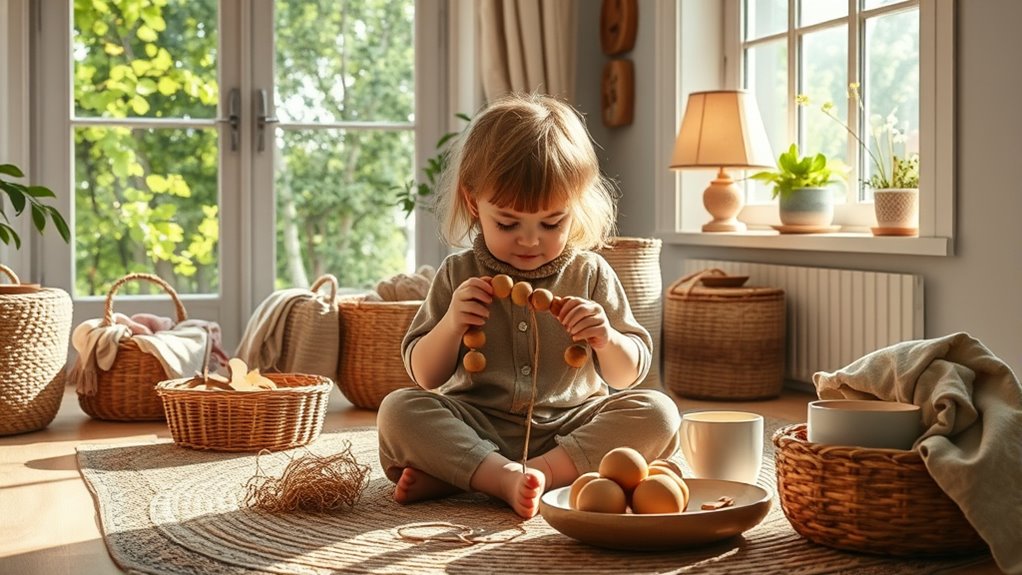
Establishing rhythm and routine at home can make daily life more predictable and less stressful. When your day follows a gentle, consistent flow, everyone knows what to expect, which creates a sense of security and calm. This predictability is especially helpful for children, who thrive on routine because it helps them feel safe and confident. By developing a daily rhythm, you’re not just organizing tasks—you’re creating a nurturing environment where your child can grow and learn naturally. Incorporate activities that promote learning through play and foster independence, aligning with the Waldorf approach. These activities become the heart of your day, blending education and enjoyment seamlessly.
Your mornings can start with simple, soothing routines like waking up, washing up, and having breakfast together. These moments set a gentle tone for the day. As you move into activities, consider incorporating hands-on, creative play that encourages learning through play. This could be baking bread, finger painting, or gardening, all of which support cognitive development and fine motor skills. When children engage in such open-ended play, they’re not just having fun—they’re discovering, experimenting, and understanding the world around them. This natural curiosity fosters a love for learning while reinforcing their independence. They learn to make choices, solve problems, and take responsibility for their tasks, all within the comfort of your daily cadence.
Throughout the day, balance active and quiet times. After energetic play, quiet activities like storytime or simple crafts help your child unwind and process their experiences. These moments of calm also reinforce routine, giving your child a sense of stability and predictability. Additionally, understanding postpartum recovery is important when planning activities, ensuring that your routines accommodate physical healing and emotional well-being. As they become more confident, they start taking initiative—getting their shoes, tidying up, or helping in the kitchen—fostering independence. Your role is to guide gently, encouraging them to participate in daily chores and activities, which boosts their self-esteem and sense of mastery.
In the afternoon, a consistent rest period or nap time provides a necessary break, ensuring your child is rested and ready for the next part of the day. This routine supports emotional regulation and physical health, making it easier for your child to handle transitions. As the day winds down, a calming evening routine—like family stories, gentle music, or reflective conversations—brings everyone together, reinforcing the rhythm you’ve built. When your day follows this gentle, predictable pattern, you’re not only simplifying your life but also nurturing your child’s independence and love for learning through play. This approach creates a harmonious environment where growth happens naturally, effortlessly woven into the fabric of everyday life.
Frequently Asked Questions
How Do I Adapt Waldorf Routines for Different Age Groups?
You adapt Waldorf routines for different age groups by choosing age-specific activities that match their developmental needs. Keep your routine flexible, allowing adjustments as your child grows. For young children, focus on simple, sensory experiences, while older kids can engage in more complex arts and storytelling. Observe your child’s interests and energy levels, and tailor the routine accordingly to foster a nurturing, engaging environment that evolves with them.
What Are Common Challenges When Establishing a Waldorf Rhythm at Home?
Think of establishing a Waldorf rhythm like planting a garden; it takes patience. Common challenges include bedtime resistance and inconsistent mornings, making it hard to maintain flow. You might find your child resists bedtime or struggles with shifts, disrupting your daily rhythm. Staying flexible, consistent, and gentle helps. Over time, these routines become a natural part of your day, fostering calmness and stability amidst the unpredictability.
How Can I Incorporate Seasonal Changes Into Our Daily Routine?
You can incorporate seasonal changes into your daily routine by engaging in seasonal storytelling that highlights the unique aspects of each time of year. Include nature-inspired activities like nature walks, collecting leaves, or planting seeds to connect with the season’s spirit. Adjust your schedule to reflect seasonal daylight hours, and celebrate seasonal festivals to deepen your child’s understanding of nature’s cycles. These practices make your routine more meaningful and inspiring.
What Materials Are Essential for a Waldorf-Inspired Home Environment?
Your Waldorf-inspired home needs essential materials that nurture creativity and connection. Start with natural fibers like wool, cotton, and linen for textiles that feel like a warm hug. Include artistic tools such as beeswax crayons, wooden blocks, and simple musical instruments to inspire imagination. These materials create a rich, sensory environment that fosters growth and joy, making your space a magical haven for your child’s development.
How Do I Balance Screen Time Within a Waldorf Daily Schedule?
You should set clear screen time boundaries to prevent overstimulation and maintain balance. Incorporate outdoor activities into your daily routine to give your child ample time in nature, which naturally reduces screen use. Establish specific times for screens and make sure they’re complemented by hands-on, creative activities. By creating a consistent schedule that prioritizes outdoor play, you foster a healthy rhythm that aligns with Waldorf principles.
Conclusion
So, after all this talk about the beauty of rhythm and routine, you might think your days will become perfectly predictable. But here’s the twist: even with a plan, life loves to surprise you. Embrace the chaos and let the rhythm guide you, rather than control you. Because in the end, it’s those unexpected moments that truly make your Waldorf at-home journey memorable—and maybe even a little bit magical.