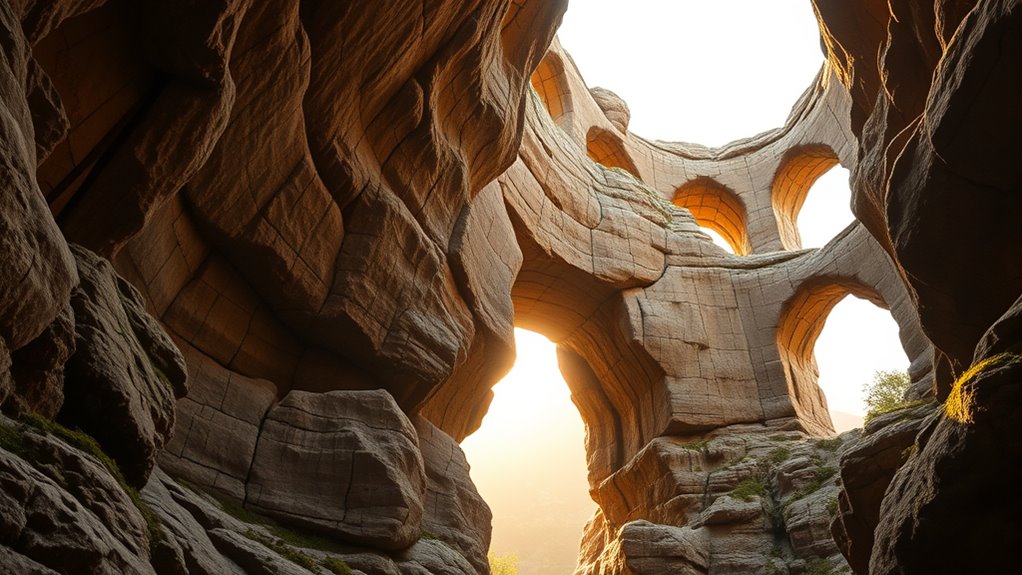

Stacking arches are a powerful engineering technique that has shaped tunnels, bridges, and towers for centuries. By layering interlocking arches, you can distribute weight efficiently, creating structures that are both durable and visually striking. This method helps resist stresses and supports longer spans with fewer materials. If you want to explore how this ancient technique evolved into modern architecture and engineering marvels, there’s much more to discover below.

Turn the school run and nap time into listening time
- Thousands of audiobooks, podcasts and originals
- Listen on your phone, tablet or Echo — also offline
- Cancel anytime
Key Takeaways
- Stacking arches involve layering multiple arches to create complex, stable structures like tunnels, bridges, and towers.
- Overlapping arches distribute loads efficiently, enhancing structural stability and enabling longer spans or taller edifices.
- This technique has been used historically in aqueducts and continues in modern architecture for innovative designs.
- The natural strength of arches resists bending and compression, making stacked arches durable and resistant to stresses.
- Aesthetically, stacking arches create rhythmic, flowing lines that blend functionality with visual appeal in various structures.
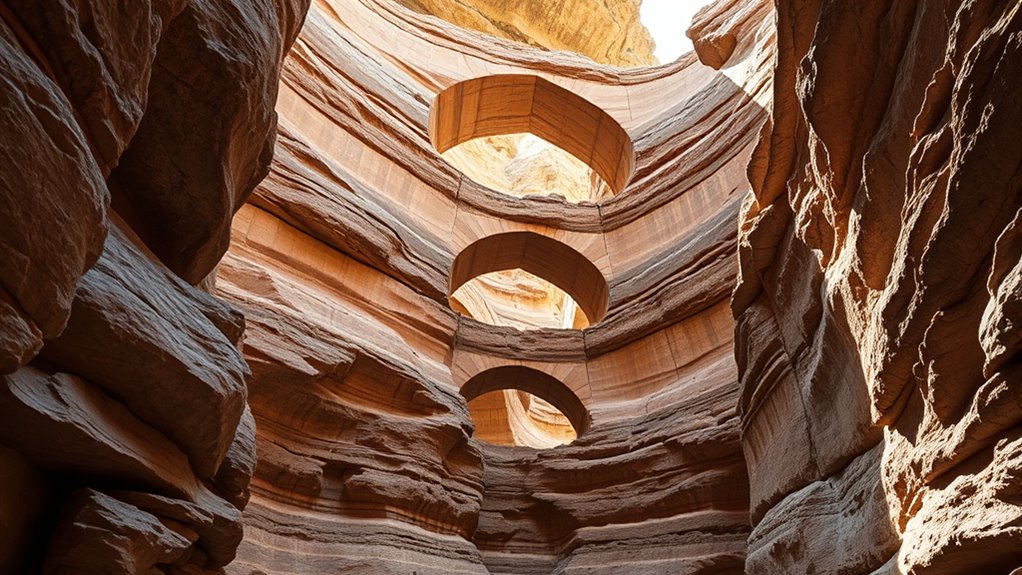
Stacking arches is a versatile construction technique that involves layering multiple arches to create complex and visually striking structures. This method has been used throughout history, from ancient aqueducts to modern bridges and towers, showcasing its adaptability and strength. When you explore how stacking arches work, you’ll see that they allow engineers and architects to distribute weight efficiently, making structures both durable and aesthetically appealing. In particular, this technique plays an essential role in bridge construction, where load distribution and stability are paramount. By stacking arches, you create a series of interlocking supports that transfer the weight downward and outward, reducing stress on any single point. This interconnected system enhances the overall architectural stability of the structure, allowing it to span longer distances with fewer materials and less risk of failure.
Additionally, the natural curves of arches help resist bending and compression forces, which is why they have been a staple in architectural design for centuries. In bridge construction, stacking arches serve as a demonstration of engineering ingenuity. Think about ancient stone bridges or the modern arch bridges you see crossing rivers and valleys; their strength lies in the way they utilize overlapping arches to bear loads efficiently. The key is that each arch supports the next, forming a resilient chain of support. When you design a bridge with stacked arches, you’re leveraging the natural strength of curved shapes to resist bending and compression forces. This method not only improves the bridge’s capacity to handle heavy traffic but also extends its lifespan, as the arches distribute stresses evenly across the entire structure. The visual appeal of stacked arches in bridges comes from their rhythmic, flowing lines, which blend form and function seamlessly.
Beyond bridges, stacking arches also influence the development of towers and large public spaces. Their layered appearance can be used to create impressive facades and interior spaces that are both sturdy and visually compelling. In these applications, architectural stability is achieved by carefully calculating the placement and size of each arch, ensuring they work together to support the overall structure. The technique allows for innovative architectural designs that push the boundaries of traditional construction, opening possibilities for taller, more complex edifices. The use of structural principles in stacking arches demonstrates how combining aesthetic appeal with structural integrity results in enduring architecture. As you observe these structures, you’ll appreciate the harmony between form and function that stacking arches make possible, reinforcing their significance across various engineering and architectural disciplines.
As an affiliate, we earn on qualifying purchases.
Frequently Asked Questions
What Are the Key Materials Used in Stacking Arches?
You should focus on materials like stone, brick, concrete, and steel for stacking arches. These choices are essential for arch material selection, ensuring your structure has maximum strength and aesthetic appeal. Pay attention to structural durability by selecting materials that withstand environmental stresses and load demands. Using durable, high-quality materials helps your arch maintain stability over time, preventing cracks or collapse, and guarantees a safe, lasting construction.
How Do Stacking Arches Withstand Weather Conditions?
You can guarantee stacking arches withstand weather conditions by focusing on their weather resistance and arch durability. Using high-quality, weather-resistant materials like treated stone or concrete helps prevent damage from rain, snow, and temperature fluctuations. Proper design also plays a role, with features like drainage systems and protective coatings that shield the structure. Regular maintenance and inspections further enhance durability, keeping your arches resilient against harsh weather over time.
What Are the Safety Considerations During Construction?
Think of building stacking arches like constructing a fragile bridge between two worlds. You must prioritize construction safety by ensuring all workers are thoroughly trained, like skilled navigators guiding the way. Use proper gear, secure each arch, and monitor weather conditions constantly. Worker training is essential to prevent accidents, while safety measures act as the sturdy foundation. Stay vigilant, communicate clearly, and treat safety protocols as your guiding light through the construction journey.
How Do Stacking Arches Impact Environmental Sustainability?
Stacking arches can positively impact environmental sustainability by using eco-friendly materials like recycled steel or sustainable concrete. They also facilitate the integration of renewable energy sources, such as solar panels or wind turbines, into their design. This approach reduces carbon footprints and promotes energy efficiency. By prioritizing these strategies, you help create structures that are environmentally responsible, durable, and aligned with sustainability goals, ensuring a greener future.
What Are the Future Innovations in Stacking Arch Design?
Imagine stepping into a future where stacking arch designs revolutionize architecture. You’ll see innovative structural techniques that maximize strength while reducing materials, and adaptive aesthetic integrations that blend functionality with beauty. These advances aim to create more sustainable, resilient structures—think of arches that adjust to environmental changes. As technology evolves, expect smarter, more flexible designs that push boundaries, much like the charm of a vintage typewriter inspiring modern innovation.
Conclusion
As you stand beneath these stacking arches, remember they’re more than just structures—they’re a symphony of strength and grace. Like a delicate dance of stones, they rise from tunnels to towers, whispering stories of ingenuity and resilience. Each arch, a silent guardian, holds the weight of dreams and history. So, embrace their beauty, and let these timeless formations inspire your own journey—reminding you that even the heaviest burdens can be carried with grace and purpose.
Halloween Picks
halloween
As an affiliate, we earn on qualifying purchases.