Sensory toys are great tools for children with special needs, helping boost their cognitive development, social skills, and emotional regulation. They engage the senses, improve focus, and support understanding of their environment. Using the right sensory tools encourages exploration, boosts confidence, and reduces overwhelm during stressful moments. Incorporating these toys into daily routines can make learning more enjoyable and independent. Keep exploring to find out more about choosing the best sensory toys for your child.

Turn the school run and nap time into listening time
- Thousands of audiobooks, podcasts and originals
- Listen on your phone, tablet or Echo — also offline
- Cancel anytime
Key Takeaways
- Sensory toys stimulate brain development, enhance focus, and support learning for children with special needs.
- They promote social skills through shared play, communication, and cooperation.
- Sensory toys help regulate emotions and reduce overload, aiding emotional well-being.
- Incorporating these toys into routines encourages independence and confidence.
- Choosing appropriate sensory tools tailored to individual needs maximizes developmental benefits.
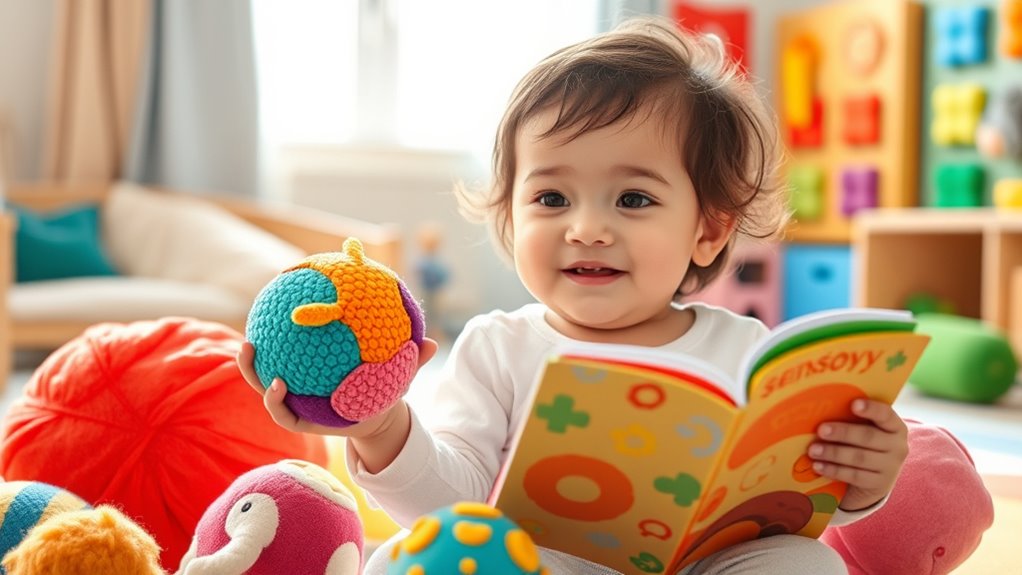
Sensory toys play a fundamental role in supporting children with special needs by helping them develop essential skills and manage sensory challenges. When you introduce these toys, you’re offering your child valuable tools to enhance their cognitive development. Many sensory toys stimulate the brain, encouraging problem-solving, focus, and understanding of their environment. For example, textured objects or brightly colored toys can help your child process different stimuli, strengthening neural connections that support learning and memory. This stimulation is essential for children with sensory processing differences, as it can promote better attention span and information retention.
Beyond cognitive growth, sensory toys also markedly improve social interaction. When your child engages with these toys, often in shared play settings, they have opportunities to communicate, cooperate, and develop social skills. For instance, playing with sensory balls or fidget toys with peers or caregivers creates natural moments for interaction. These activities teach your child turn-taking, sharing, and expressing their needs or feelings more effectively. As they become more comfortable with sensory inputs, their confidence in social settings tends to grow, making group play and peer relationships more accessible.
Engaging with sensory toys fosters social skills, confidence, and natural interactions with peers and caregivers.
Using sensory toys can also help your child regulate their emotions and behaviors, which in turn supports better social engagement. When overwhelmed or anxious, a child might struggle to express themselves or connect with others. Sensory toys serve as calming tools that help reduce sensory overload, making it easier for your child to participate in social activities. As they learn to self-soothe using these toys, you’ll notice improvements in their ability to stay engaged in social interactions without becoming overwhelmed or distressed.
Furthermore, incorporating sensory toys into daily routines can make learning more interactive and enjoyable. This increased engagement encourages your child to explore and experiment, fostering independence and curiosity. As they experience success in manipulating different textures or solving simple puzzles, their confidence grows, which positively influences their social interactions. When your child feels competent and comfortable, they’re more likely to seek out social opportunities, further enhancing their social skills and emotional well-being. Additionally, using appropriate sensory tools can maximize their development by targeting specific sensory needs effectively.
Frequently Asked Questions
How Do I Choose the Right Sensory Toy for My Child’s Specific Needs?
When choosing the right sensory toy, consider your child’s specific needs and sensitivities. Think about whether they experience sensory overload and select toys that provide calming or stimulating effects accordingly. Focus on toy durability to make certain it withstands active use. Observe how your child interacts with different textures and sounds, and choose options that help them stay engaged without causing distress. Tailoring the toy to their unique preferences promotes comfort and development.
Are There Any Safety Concerns With Certain Sensory Toys?
You should always check for safety concerns with any toy. Make sure they’re free of harmful chemicals and meet safety standards for chemical safety. Watch out for choking hazards, especially with small parts or loose pieces, to prevent accidents. Always supervise your child during play. Choosing toys with non-toxic materials and sturdy construction helps guarantee your child’s safety and enjoyment. Prioritize safety to keep playtime fun and worry-free.
How Can Sensory Toys Support Emotional Regulation in Children?
Imagine a child calmly squeezing a textured ball during a stressful moment; this helps with sensory integration and boosts emotional resilience. Sensory toys support emotional regulation by providing calming input, reducing anxiety, and helping children manage overwhelming feelings. They serve as tools for children to develop self-awareness and control, fostering a sense of security. With consistent use, sensory toys can markedly improve a child’s ability to handle emotional challenges confidently and effectively.
What Age Is Appropriate for Introducing Sensory Toys?
You can introduce sensory toys as early as infancy, around 3 to 6 months, when your child starts reaching developmental milestones like grasping and exploring. Sensory integration begins developing during this stage, and toys can support this process by stimulating their senses. As your child grows, you’ll notice their needs evolve, making it important to select age-appropriate toys that promote healthy development and sensory exploration.
Can Sensory Toys Replace Therapy or Professional Interventions?
Imagine sensory toys as guiding stars in a complex sky—bright but not enough to navigate alone. You won’t find these toys replacing therapy or professional interventions, which act as skilled maps through sensory overload. While durable toys provide safe, consistent comfort, they’re only part of the journey. Use them alongside expert guidance to truly support your child’s needs, shaping a path of understanding and growth.
Conclusion
Incorporating sensory toys into your child’s daily routine can make a real difference. Imagine a child with autism calming down after squeezing a textured stress ball during a stressful moment. These toys provide comfort, help develop skills, and boost confidence. By choosing the right sensory tools, you create a supportive environment where your child can thrive. Remember, small adjustments like these can lead to big improvements in their growth and happiness.
Cold & flu season Picks
humidifiers
As an affiliate, we earn on qualifying purchases.