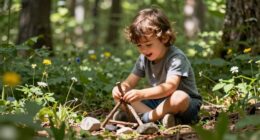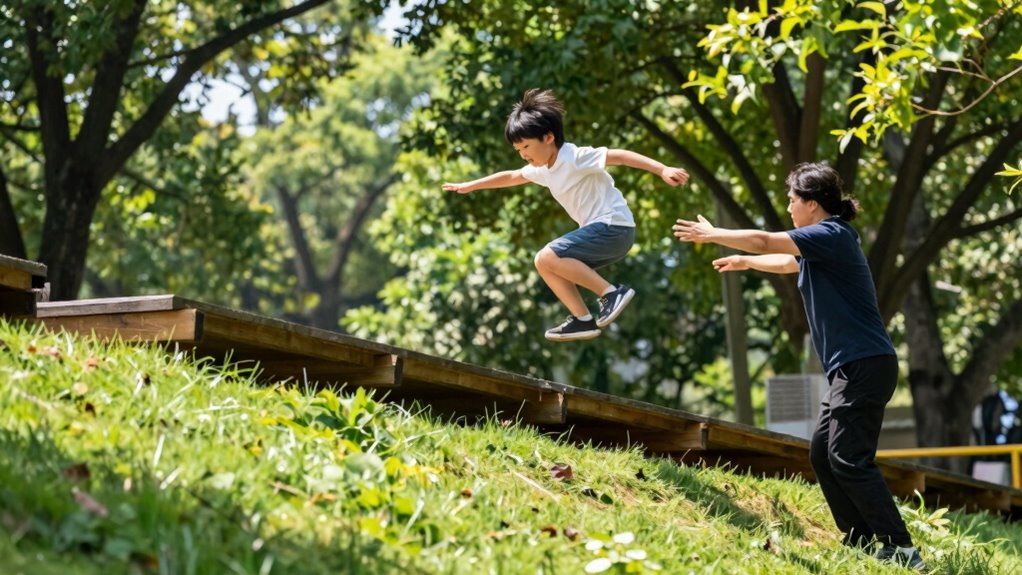

To support safe risk-taking outdoors, actively assess hazards before children begin exploring, checking for stability, height, and obstacles. Supervise actively, providing reassurance while allowing children space to test their limits. Encourage cautious exploration by guiding them to think about safety and develop good judgment. Maintain a safe environment through regular inspections and removing sharp or broken hazards. Balancing risk with safety helps children build confidence and resilience—keep exploring for practical tips on fostering this balance effectively.

Get baby and family essentials delivered free — and shop member deals
- Fast, free delivery on millions of items
- Access to Prime Big Deal Days deals on October 6–7
- Prime Video, Amazon Music and more included
Key Takeaways
- Conduct quick risk assessments of play areas to identify and mitigate hazards before children engage in activities.
- Provide active supervision to observe children’s approach to risks and intervene if safety is compromised.
- Foster a safety-conscious mindset by encouraging children to think about potential dangers and develop good judgment.
- Regularly inspect and maintain outdoor equipment and natural features to ensure a safe environment for testing abilities.
- Educate children on hazard recognition and safe practices to promote independent risk management skills.
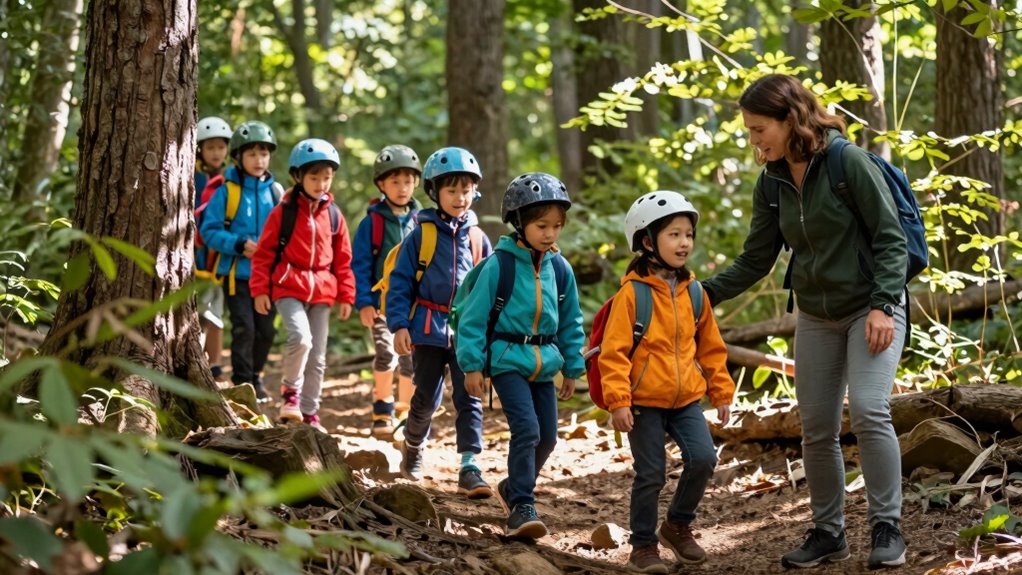
Encouraging children to take risks outdoors helps build their confidence and resilience, but it is essential to do so safely. You play a fundamental role in creating an environment where children can explore and challenge themselves while staying protected. The first step is understanding the importance of risk evaluation. Before allowing any activity, you should examine potential hazards and determine whether the risks are manageable. For example, if a child wants to climb a tree, check the stability of the branches, the height, and the surrounding area for obstacles or sharp objects. By conducting a quick risk evaluation, you can decide if the activity is suitable or if modifications are needed to make it safer.
Outdoor supervision is equally necessary in supporting safe risk-taking. Your presence provides reassurance and allows you to intervene promptly if a situation becomes dangerous. It’s not about hovering but about actively observing and being ready to guide children when needed. When supervising, stay engaged and attentive, watching how children approach their activities and encouraging them to think about safety. For instance, you might remind them to use both hands when climbing or to be mindful of their surroundings. This ongoing supervision helps children develop good judgment and understand their limits without feeling stifled. Additionally, fostering a safety-conscious mindset helps children internalize the importance of cautious exploration as they grow. Developing a risk assessment skill is crucial for children to learn how to evaluate their environment independently over time. Incorporating hazard recognition techniques into outdoor activities can further enhance children’s ability to identify and respond to dangers effectively.
Creating a safe environment also involves preparing the outdoor space itself. Regularly inspect equipment, natural features, and play areas for hazards like broken fences, sharp rocks, or unstable structures. Properly maintaining the area minimizes unexpected dangers and gives children a secure space to test their abilities. Remember, the goal isn’t to eliminate all risks but to manage them effectively. Understanding how to evaluate potential hazards and ensure a safe environment is fundamental to supporting children’s outdoor adventures. With thoughtful risk evaluation and attentive outdoor supervision, you enable children to enjoy the thrill of adventure while keeping them safe. This balance helps them develop independence and resilience, essential qualities that will serve them well throughout life. Being aware of environmental hazards and how to address them can significantly reduce the likelihood of accidents and injuries.
As an affiliate, we earn on qualifying purchases.
Frequently Asked Questions
How Can I Identify Appropriate Risks for Different Age Groups?
You can identify appropriate risks for different age groups by conducting a risk assessment that considers their developmental stage and physical abilities. For younger children, choose age-appropriate challenges like soft landings and manageable heights. For older kids, introduce more complex risks that still challenge them safely. Observe their responses and adjust activities accordingly, ensuring the risks remain suitable and promote growth without compromising safety.
What Safety Gear Is Essential for Outdoor Adventure Activities?
You should always have essential safety equipment like helmets, knee and elbow pads, and sturdy footwear for outdoor adventures. Protective gear depends on the activity—climbing harnesses for rock climbing, life jackets for water sports, or gloves for mountain biking. Make sure all safety equipment fits correctly and is in good condition. Using proper protective gear minimizes injury risks and helps you enjoy outdoor activities confidently and safely.
How Do I Handle Emergencies During Outdoor Risk-Taking?
When emergencies happen during outdoor risk-taking, stay calm and act swiftly. You should have emergency preparedness plans in place, including knowing how to contact rescue services. Carry first aid essentials like bandages, antiseptic, and pain relievers, and know basic first aid procedures. Assess the situation carefully, provide necessary aid, and call for help if needed. Staying prepared and calm helps you manage emergencies effectively while supporting safe risk-taking.
What Are Signs of Overconfidence in Young Outdoor Explorers?
Overconfidence can be a wolf in sheep’s clothing. You’ll notice signs like blurred risk perception, where they underestimate dangers, or confidence cues that seem overly bold or dismissive of safety rules. They might ignore warnings or take reckless shortcuts. Keep an eye out for these signs, and gently remind them to stay aware of their limits. Encouraging realistic confidence helps keep outdoor adventures safe and enjoyable.
How Do I Balance Supervision With Independence?
You should foster independence while maintaining appropriate supervision by building trust through consistent, positive interactions. Let your young explorer try tasks gradually, offering guidance when needed but encouraging autonomy. As they succeed, gradually decrease your oversight, showing confidence in their abilities. This trust-building approach helps them feel supported, promotes independence, and teaches safe risk-taking. Stay attentive and ready to step in if necessary, ensuring they feel both secure and empowered.
Conclusion
Encouraging safe risk-taking outdoors helps kids build confidence and resilience. Remember, about 70% of childhood injuries happen during outdoor play, so supervision and boundaries are key. By setting clear guidelines and allowing children to explore within safe limits, you give them the freedom to learn and grow. Your support guarantees they develop essential skills while minimizing harm. Embrace the adventure—safety and fun can go hand in hand, shaping confident, adventurous kids.
Halloween Picks
halloween
As an affiliate, we earn on qualifying purchases.