You can keep sensory play fresh by reusing household items and natural materials. Fill trays with rice, pasta, or dried beans, and hide small toys inside for new textures. Collect leaves, stones, or sticks from outside to add variety. Switch up seasonal themes with scented or colored materials, and transform old boxes into tunnels or castles. Small adjustments like these keep activities exciting and eco-friendly. Keep exploring for more creative ideas to refresh your sensory play.

Get baby and family essentials delivered free — and shop member deals
- Fast, free delivery on millions of items
- Access to Prime Big Deal Days deals on October 6–7
- Prime Video, Amazon Music and more included
Key Takeaways
- Repurpose household items like rice, pasta, or dried beans for varied textures and hiding objects.
- Incorporate natural materials such as leaves, stones, and pinecones to add sensory diversity.
- Use seasonal themes and props to create new immersive experiences regularly.
- Transform existing objects into sensory tools, like fabric scraps or crumpled paper-filled boxes.
- Mix different ingredients and color materials with food coloring for visual and tactile variety.
Sensory play supplies are essential tools that help children explore their environment and develop vital skills. These supplies foster sensory play benefits that go beyond simple fun, including improving fine motor skills, enhancing focus, and encouraging problem-solving. To keep sensory play fresh without constantly buying new supplies, you can get creative with what you already have around the house. Often, everyday household items can transform into exciting sensory experiences with a little imagination.
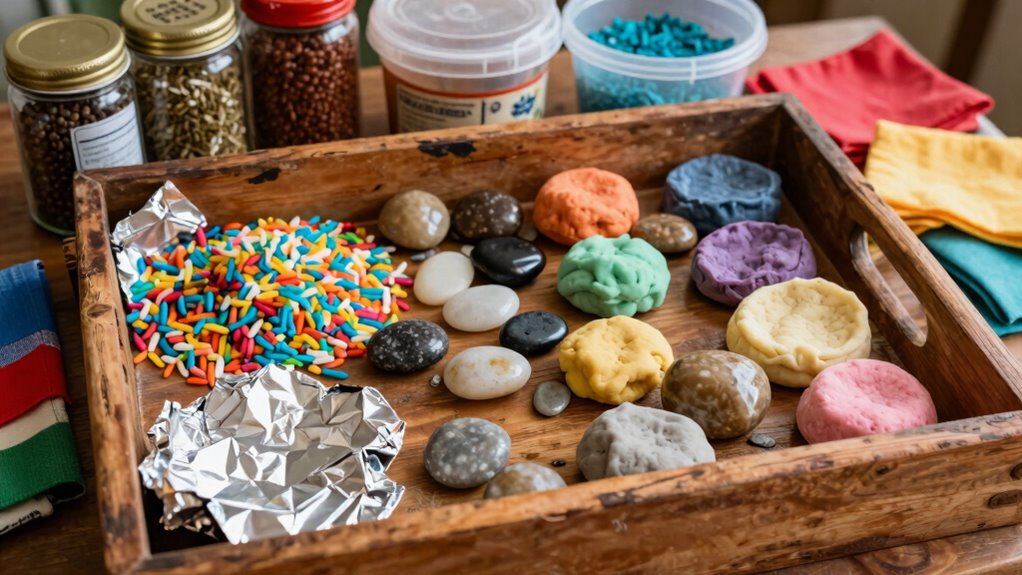
Start by repurposing common kitchen items. For example, fill a shallow tray with rice, pasta, or dried beans and hide small toys or objects inside. Children love digging through and discovering hidden treasures, which makes for a simple yet effective sensory activity. You can also create a textured experience by mixing different ingredients like oats, popcorn, or couscous. To add visual appeal, color some of these materials with food coloring to make the activity more engaging. These creative play ideas don’t require purchasing new supplies and can be easily reset for multiple sessions. Incorporating recycled materials is a sustainable way to refresh sensory activities and reduce waste.
Create engaging sensory activities with household items like rice, pasta, or beans—hide treasures and add color for endless fun.
Another way to keep sensory play fresh is by using natural materials from your environment. Collect leaves, pinecones, stones, or sticks during walks and incorporate them into sensory bins or use them for tactile exploration. You can also set up a nature-inspired sensory table that invites children to feel, smell, and observe different textures. Utilizing natural materials not only stimulates their senses but also fosters a connection with nature, encouraging curiosity and exploration. Incorporating indigenous knowledge about local flora and fauna can deepen children’s appreciation for their environment and traditional ecological understanding. Additionally, natural materials are often more sustainable and environmentally friendly, reinforcing eco-conscious habits early on.
Recycling and upcycling household items can also spark new sensory play ideas. For instance, empty cardboard boxes can become tunnels or castles, offering both a visual and tactile experience. Fill them with crumpled paper, fabric scraps, or foam pieces to add textures. Old socks or gloves can be turned into sensory bags filled with gel, rice, or beads, providing a squishy, squeezable experience. These DIY sensory tools are cost-effective and promote sustainable practices. Exploring biodiversity by using natural materials supports environmental awareness and conservation efforts as children learn to appreciate and reuse resources responsibly. Creating sensory activities that incorporate these elements can also cultivate a sense of stewardship for the environment from a young age.
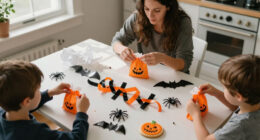
Lastly, introduce seasonal themes or storytelling to enhance sensory activities. Use colored water, scented lotions, or themed props to create immersive experiences. For example, in fall, you might add cinnamon or pumpkin scents to sensory bins or use orange and brown materials to match the season. These small adjustments keep the sensory play engaging and offer new creative play ideas without needing to purchase additional supplies. By integrating sensory exploration into different seasons and themes, children can develop a richer understanding of their surroundings and foster their creativity.
sensory play materials for children
As an affiliate, we earn on qualifying purchases.
As an affiliate, we earn on qualifying purchases.
Frequently Asked Questions
How Can I Sterilize Sensory Play Materials at Home?
To sterilize sensory play materials at home, you can soak DIY sensory items like water beads or small toys in a mixture of water and mild disinfectant or vinegar for about 10 minutes. For items like fabric or plush toys, wash them in hot water with soap. Make certain everything dries completely before reuse. This process keeps your sensory exploration safe, clean, and fresh without extra purchases, encouraging ongoing creative play.
What Are Eco-Friendly Alternatives to Plastic Sensory Toys?
Think of recycled materials and natural textures as the roots of eco-friendly sensory play; they ground your activities sustainably. You can transform cardboard boxes into tunnels or sensory bins, fill cloth bags with rice or beans for tactile exploration, and use natural elements like pinecones, shells, or stones. These eco-friendly alternatives bring rich textures and meaningful symbolism to play, enriching your child’s sensory experience while protecting the environment.
How Can I Involve Children in Creating Their Own Sensory Supplies?
You can involve children in creating their own sensory supplies by guiding them through simple DIY recipes, like making playdough or sensory bottles. Set up a dedicated sensory station where they can choose materials and experiment with textures, colors, and scents. This hands-on involvement sparks creativity, makes the experience more engaging, and guarantees the supplies are personalized and eco-friendly. Plus, it’s a fun way to teach them about resourcefulness!
Are There Safe Household Items for Sensory Play?
Yes, you can use safe household items for sensory play. Try DIY sensory activities like rice or pasta bins, homemade playdough, or water beads. Keep sensory exploration tips in mind by supervising closely and choosing non-toxic items. Items like cotton balls, sponges, or textured fabrics make great tactile experiences. Always guarantee items are clean and age-appropriate, and avoid anything small that could be a choking hazard.
How Can I Organize and Store Sensory Play Materials Effectively?
Imagine uncovering hidden treasures in your home—your sensory play materials. To organize effectively, group items by sensory play themes and store them in clear, stackable containers, making it easy to find and switch themes. Use sturdy storage container options like plastic bins or colorful drawers. Label each container clearly, and stack or store them in a designated spot, so you can quickly access supplies and keep playtime fun and fresh.
Conclusion
Keep your sensory play fresh by repurposing, rotating, and improvising with what you already have. Reuse containers for new textures, rotate materials to spark curiosity, and improvise with household items to stimulate creativity. By embracing these simple strategies, you’ll continuously inspire exploration, nurture curiosity, and foster learning—all without spending a dime. Stay inventive, stay resourceful, and keep the sensory adventures exciting and endless in your home.
Fall Picks
fall essentials
As an affiliate, we earn on qualifying purchases.