
TL;DR
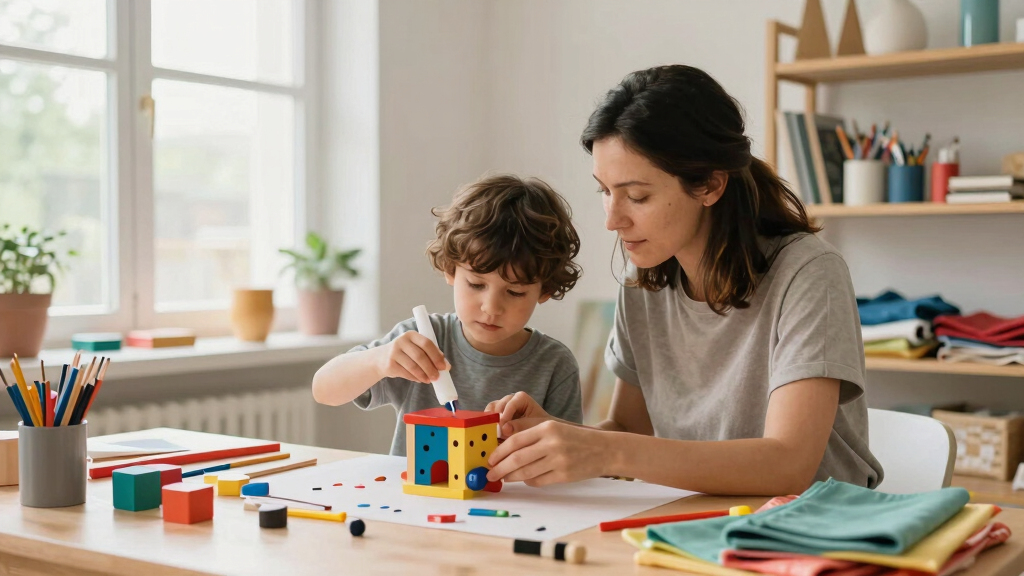
A father recounts how buying inexpensive kits and stepping back helped his children develop maker skills. Experts emphasize that fostering creativity requires only patience and encouragement, not expertise.
A father shares how he helped his children develop maker skills by buying inexpensive kits and stepping back, demonstrating that any parent can foster creativity without special skills or resources.The father, who has no special expertise in making or science, recounts how purchasing simple kits like KiwiCo and encouraging his children to explore freely led to their development as makers. His daughter Lizzy began experimenting with chemistry and crafting, while his son Peter built a Mars rover model and now designs websites. The father emphasizes that the key is being a supportive ‘door-opener’—buying cheap kits, saying yes, and allowing children to learn through trial and error. This approach requires patience and attention, not mastery, and can be adopted by any parent regardless of skill level. Experts agree that fostering a maker mindset involves providing access, encouragement, and space for children to experiment, which builds confidence and problem-solving skills.
Why Encouraging Making Matters for Child Development
Promoting making activities helps children develop creativity, confidence, and problem-solving skills that are valuable across all areas of life. This approach also democratizes innovation, showing that anyone can start building with simple tools and support. For parents, it offers a practical way to engage with their children positively and foster independence. As more families embrace making, it could influence educational and community programs to prioritize accessible, hands-on learning, nurturing a generation of confident creators.

Root Viewer Kit for Kids – Grow Your Own Plant for Boys & Girls Gifts
- Transparent Root Viewer: See plant roots underground
- All-in-One Gardening Kit: Includes soil, seeds, stickers, and tools
- Educational Instruction Booklet: Learn botany with easy guides
As an affiliate, we earn on qualifying purchases.
As an affiliate, we earn on qualifying purchases.
Growing Movement of DIY and Maker Education
The maker movement has gained momentum over recent years, emphasizing hands-on learning through kits, online tutorials, and community projects. Many parents and educators see these activities as vital for developing skills beyond traditional schooling. The personal account aligns with broader trends encouraging children to explore STEM and crafts at home, often with minimal investment. Initiatives like KiwiCo and Maker Faire support this shift, aiming to make making accessible and inclusive. Historically, fostering creativity in children has often been limited by resources or expertise, but recent approaches focus on the importance of encouragement and patience, as exemplified by this father’s experience.
“Fostering a maker mindset in children involves providing access, encouragement, and space for experimentation, which builds confidence and problem-solving skills.”
— an anonymous researcher
Unclear Long-Term Impact of Early Making Activities
It is not yet confirmed how sustained engagement in making activities influences long-term skills, career choices, or educational outcomes. While anecdotal evidence and current trends suggest positive effects, comprehensive longitudinal studies are still underway.
Expanding Access and Supporting Maker Skills Development
Expect increased efforts to integrate maker activities into school curricula and community programs. More resources, kits, and online platforms are likely to emerge, making making even more accessible. Check out top resources for maker education. Researchers and educators will continue studying how early exposure to making influences lifelong skills and innovation. Parents and caregivers are encouraged to continue supporting children’s curiosity through simple, low-cost activities.
Key Questions
Do I need to be skilled in making to help my child develop these skills?
No. The key is providing encouragement, buying simple kits, and allowing children to explore and learn through trial and error.
What types of activities are best for fostering making skills?
Activities like building with kits, experimenting with science sets, or simple crafts are effective. The focus should be on encouraging curiosity and persistence. Discover more about engaging activities for kids.
How much time should I dedicate to making activities with my kids?
Even short, regular sessions are beneficial. The emphasis is on quality and encouragement rather than duration.
Are there recommended resources or kits for beginners?
Yes. Kits like KiwiCo, MEL Science, and CircuitMess are designed for beginners and are widely available online and in stores.
What if my child loses interest or makes a mess?
That’s part of the learning process. Patience and a positive attitude help children develop resilience and confidence in their making skills.
Source: Make: