
To manage real tasks at home, you need practical tools like quality cleaning supplies, reliable storage solutions, and easy-to-use appliances. Establishing consistent routines helps you develop skills, stay organized, and reduce stress. Incorporating everyday chores—like laundry, meal prep, and tidying—builds independence and responsibility. Using built-in systems and proper tools makes these tasks more efficient and manageable. Keep exploring to discover more ways to transform your home into an organized, stress-free space.
Key Takeaways
- Utilizing appropriate household tools like mops, vacuums, and organizers streamlines daily chores and enhances efficiency.
- Incorporating real, functional tools into routines builds practical skills and fosters independence.
- Regular use of reliable tools in tasks such as laundry, cooking, and cleaning ensures consistent, high-quality results.
- Teaching responsible tool handling develops safety awareness and problem-solving abilities at home.
- Properly maintaining and organizing tools supports ongoing household management and skill development.
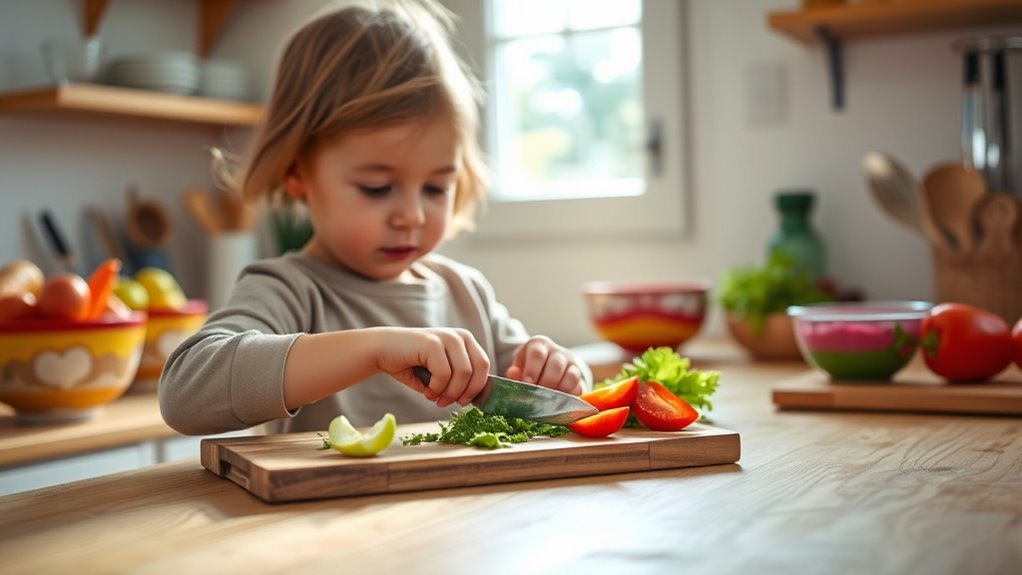
Have you ever wondered how daily chores and routines can build essential life skills? The truth is, the simple act of maintaining a tidy home isn’t just about cleanliness; it’s about developing critical household skills that serve you throughout life. When you incorporate these activities into your daily routines, you’re not just completing tasks—you’re learning responsibility, time management, and independence. Each chore becomes a stepping stone toward becoming more self-reliant and capable of managing your own space.
Household skills are best learned through consistent practice. Making your bed every morning, doing the dishes after dinner, or tidying up your living area might seem small, but they reinforce habits that become second nature. Over time, these routines shape your ability to prioritize tasks, plan ahead, and complete them efficiently. It’s not about perfection; it’s about developing a mindset where taking care of your environment is automatic. When you stick to daily routines, you create a rhythm that keeps your home organized and reduces chaos. This consistency builds your confidence in handling responsibilities without needing constant supervision or reminders.
Consistent routines turn household chores into habits that foster confidence and organization.
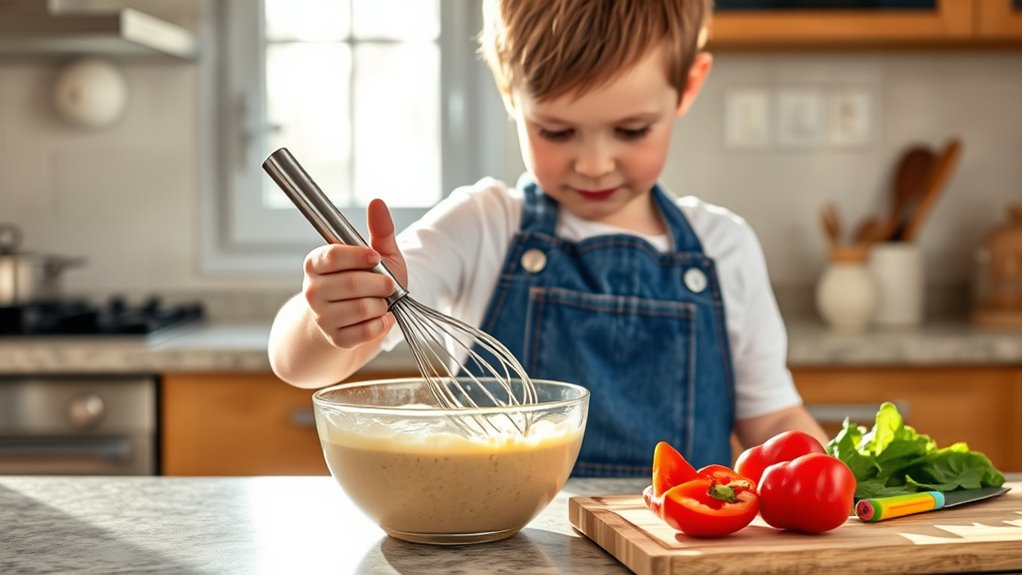
Involving yourself in daily routines transforms chores from tedious chores into opportunities for growth. For example, preparing meals teaches planning, measuring, and patience. Managing laundry helps you understand organization and time allocation. These everyday activities are practical tools that translate into other areas of life, like work or social settings. As you become more adept at managing your household, you also learn problem-solving skills—like what to do if an appliance breaks or how to prioritize urgent tasks. This proactive approach fosters resilience and adaptability, qualities that are indispensable in any situation.
Moreover, establishing a routine creates structure, making your days more predictable and less stressful. When you know what tasks to tackle and when, you avoid last-minute rushes or forgotten responsibilities. This sense of control boosts your overall well-being and helps you cultivate discipline. As you master household skills through your daily routines, you’ll notice an improvement not only in your environment but also in your mindset. You’ll feel more capable and prepared for challenges outside of your home, knowing that the skills you develop here are applicable everywhere.
Additionally, incorporating vetted household products like effective tools and supplies can make these routines easier and more efficient, ensuring you maintain high standards of cleanliness and organization. Ultimately, integrating household skills into your everyday life isn’t just about keeping things neat. It’s about laying a foundation of independence, responsibility, and efficiency. Those daily routines become your training ground—building the practical skills needed to navigate life confidently and successfully. The more you practice, the more natural it becomes, turning simple chores into powerful tools for personal growth.
Frequently Asked Questions
How Can I Introduce Practical Life Skills to Young Children Effectively?
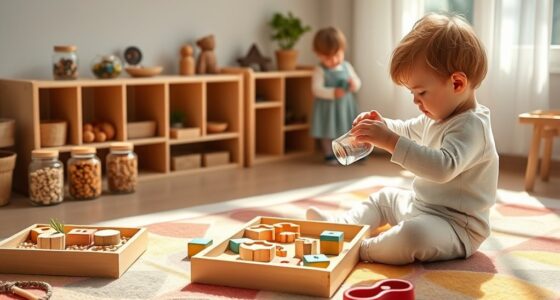
To introduce practical life skills effectively, focus on role modeling and age-appropriate activities. Show children how you complete tasks like pouring, buttoning, or cleaning, so they learn by watching you. Then, encourage them to try similar activities suited to their age, making learning fun and engaging. Consistent demonstration and patience help children develop independence and confidence in everyday tasks, setting a strong foundation for lifelong skills.
What Are Some Safety Considerations When Practicing Practical Life Tasks at Home?
You want your child to learn practical life skills safely, right? Always supervise them closely during tasks to prevent accidents, and stay alert to allergy risks, especially with food or plants. Keep sharp objects out of reach, and teach them about safe handling. Remember, a vigilant eye and allergy awareness turn potential hazards into teachable moments, making safety second nature without turning your home into a danger zone.
How Do I Adapt Tools for Individuals With Physical Disabilities?
You can adapt tools for individuals with physical disabilities by incorporating assistive technology and adaptive tools. For example, use ergonomic handles, lever-style faucets, or one-handed opening jars to make tasks easier. You might also add mobility aids or switches that respond to touch or voice. These modifications promote independence and safety, allowing individuals to perform practical life tasks comfortably and confidently.
What Are the Best Methods to Encourage Independence Through Practical Tasks?
You can encourage independence by providing role modeling and offering step-by-step guidance; some might think it’s too time-consuming, but it builds confidence. Show them how to complete tasks calmly and clearly, letting them practice repeatedly. Celebrate small successes to motivate continued effort. With patience and consistent support, you empower individuals to develop skills, fostering independence and self-reliance in practical everyday tasks.
How Can I Organize a Practical Life Area in a Small Space?
To organize a practical life area in a small space, prioritize space optimization by choosing compact, multi-purpose tools. Use vertical storage solutions like wall-mounted shelves or hooks to free up surface area. Incorporate clear containers or labeled bins to keep items accessible and tidy. Keep frequently used tools within easy reach, and regularly declutter to maximize efficiency. This approach helps create a functional, organized area despite limited space.
Conclusion
By incorporating real tools for real tasks, you make daily chores more engaging and meaningful. It might seem easier to stick with simple solutions, but using actual tools builds skills and confidence. Don’t worry if it feels challenging at first—you’ll soon find it rewarding and fun. Embrace these practical experiences at home, and you’ll create a more capable, confident environment for yourself and your family. Start today, and see how enjoyable real work can be!