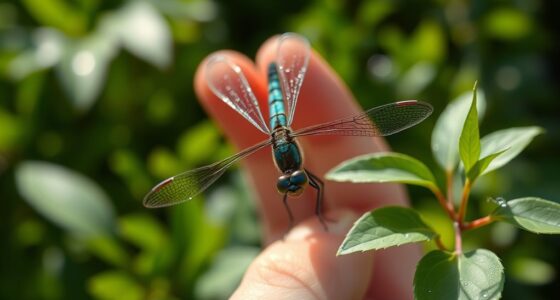
To build a nature play habit in the city, start by creating regular outdoor routines using nearby green spaces like parks or alleyways with trees. Bring eco-friendly toys, such as magnifying glasses or bug-catching kits, to make explorations fun and educational. Engage with urban wildlife and encourage curiosity about local ecosystems. Include small eco-conscious actions like litter pickup or planting native flowers to foster stewardship. Keep exploring different areas and routines, and you’ll discover how meaningful outdoor play can become part of your daily life.

Turn the school run and nap time into listening time
- Thousands of audiobooks, podcasts and originals
- Listen on your phone, tablet or Echo — also offline
- Cancel anytime
Key Takeaways
- Start with short, regular visits to nearby green spaces to establish consistency.
- Use eco-friendly toys and tools to make exploration engaging and sustainable.
- Gradually explore new areas to maintain interest and deepen nature connections.
- Incorporate simple outdoor activities like litter pickup or planting native flowers.
- Discuss and observe urban wildlife to foster curiosity and understanding of local ecosystems.

In the midst of bustling city streets, finding time for nature play might seem challenging, but it’s more accessible than you think. Even in urban environments, you’re surrounded by opportunities to connect with nature and foster a love for the outdoors. One way to do this is by paying attention to urban wildlife—birds, squirrels, insects—these creatures are your city’s natural residents. Observing them can spark curiosity and help you and your children develop a deeper appreciation for local ecosystems. To make this experience more engaging and eco-friendly, consider incorporating eco friendly toys into your outdoor excursions. These toys, made from sustainable materials, encourage imaginative play without harming the environment. A simple set of biodegradable binoculars or a recycled plastic magnifying glass can turn a routine walk into an adventure, helping you discover tiny insects or bird nests hidden in city parks or tree-lined streets.
Building a consistent outdoor routine is key to developing a nature play habit. Start small—schedule short trips to nearby green spaces, like community parks or alleyways with trees. Even a quick visit allows your kids to run, explore, and observe urban wildlife. As it becomes part of your routine, gradually extend your visits or explore different areas. Use eco friendly toys to keep the experience fresh and environmentally conscious. These toys not only promote sustainable habits but also serve as excellent tools for learning and engagement. For instance, a compact, eco-friendly bug-catching kit can turn a simple walk into a bug-hunting mission, encouraging kids to observe and learn about insects without disturbing their habitats. Incorporating urban biodiversity into your outings can deepen children’s understanding of local ecosystems and their interconnectedness. Engaging with urban ecosystems can also help children recognize the importance of maintaining healthy habitats within city environments. Additionally, taking a moment to discuss the different species you encounter can enhance their knowledge and interest in local wildlife.
Creating a nature play habit isn’t just about the physical activity—it’s about fostering a mindset of curiosity and stewardship. You can make this more effective by integrating small, eco-conscious habits into your outings, like picking up litter or planting native flowers in community gardens. These actions teach children about caring for their environment while enjoying the outdoors. When you bring along eco friendly toys, you also set an example for sustainable living, reinforcing that outdoor play and environmental consciousness go hand in hand. Educating children about biodiversity can inspire them to become active participants in protecting their local environment. Over time, these experiences cultivate a genuine connection to urban wildlife and nature, showing you and your kids that even in a busy city, nature is just a step outside. With patience and intentionality, you can turn city streets into vibrant outdoor classrooms, making nature play an integral part of your daily life.
eco-friendly bug-catching kit for kids
As an affiliate, we earn on qualifying purchases.
As an affiliate, we earn on qualifying purchases.
Frequently Asked Questions
How Can I Find Safe Urban Green Spaces for Play?
You can find safe urban green spaces by exploring local parks and community gardens, where wildflower identification and birdwatching spots are often available. Use apps or websites to locate nearby parks with designated nature areas. Visit during daylight hours, stick to well-maintained paths, and bring essentials like water and sunscreen. Connecting with local nature groups can also guide you to safe, vibrant spots perfect for play and discovering wildlife.
What Gear Is Essential for City Nature Adventures?
Imagine you’re a wildlife detective, ready to observe city creatures. Essential outdoor gear includes a comfortable backpack, binoculars for wildlife observation, and sturdy shoes for exploring uneven terrain. A reusable water bottle keeps you hydrated, while a small first aid kit guarantees you’re prepared for minor scrapes. With this gear, you’re set to discover urban nature’s surprises, turning every city park into your own adventure zone.
How Do I Introduce Nature Play to Hesitant Children?
You can introduce nature play to hesitant children by starting with simple activities like wildcrafting skills and nature journaling. Show them how to identify plants or draw their surroundings, making it engaging and educational. Encourage curiosity without pressure, and celebrate their discoveries. Over time, these activities help children connect with nature, building confidence and enthusiasm. Keep sessions short, fun, and tailored to their interests to foster a lasting love for the outdoors.
Are There Community Groups Supporting Urban Nature Activities?
Yes, many community groups support urban nature activities. For example, a local neighborhood transformed an empty lot into a thriving community garden, fostering wildlife conservation and outdoor play. These groups often host workshops, cleanups, and nature walks, making green spaces accessible and engaging. Joining such groups helps you connect with like-minded neighbors, turning city life into a shared adventure where children learn to cherish and protect nature.
How Can I Incorporate Nature Into Daily City Routines?
You can incorporate nature into your daily routines by exploring urban wilderness areas nearby and practicing green mindfulness during your walks. Take short breaks in parks, observe plants and wildlife, and engage with your surroundings consciously. Use your commute or lunch breaks to connect with nature, turning everyday moments into opportunities to appreciate the urban wilderness. This approach helps you stay grounded, reduces stress, and fosters a deeper bond with city nature.
Conclusion
By weaving nature into your city life, you open a sanctuary of wild wonder amid concrete jungles. Picture yourself stepping onto a leafy trail, each step awakening your senses like a symphony of rustling leaves and chirping birds. Building this habit transforms ordinary days into vibrant adventures, nourishing your soul and inspiring a deeper connection with the natural world. So, embrace the call of the wild—your city’s green heartbeat is waiting to be discovered.
Cold & flu season Picks
humidifiers
As an affiliate, we earn on qualifying purchases.