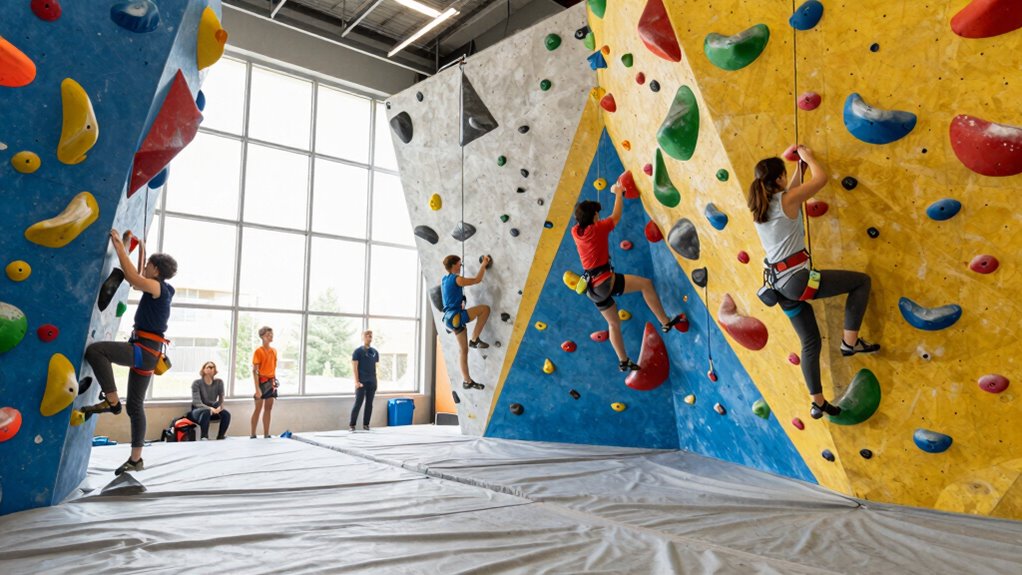

Foam climbers create a safe indoor space where you can encourage your child’s risk-taking and exploration. Their impact-absorbing surfaces help prevent injuries from slips or falls, giving your child the confidence to try new challenges. Regular safety checks and added soft mats further secure the area. By supervising and adjusting safe boundaries, you foster independence and resilience while keeping play fun and secure. Keep exploring to discover more ways foam climbers support your child’s growth and safety.

Turn the school run and nap time into listening time
- Thousands of audiobooks, podcasts and originals
- Listen on your phone, tablet or Echo — also offline
- Cancel anytime
Key Takeaways
- Foam climbers provide a cushioned surface that absorbs impacts, reducing injury risk during challenging climbs.
- They create a controlled environment where children can safely explore heights and develop confidence.
- Regular safety checks and maintenance ensure the structure remains secure, supporting safe risk-taking.
- Additional safety measures like soft mats and boundaries help organize play and prevent accidents.
- Encouraging gradual challenges and open communication fosters resilience and healthy risk management.
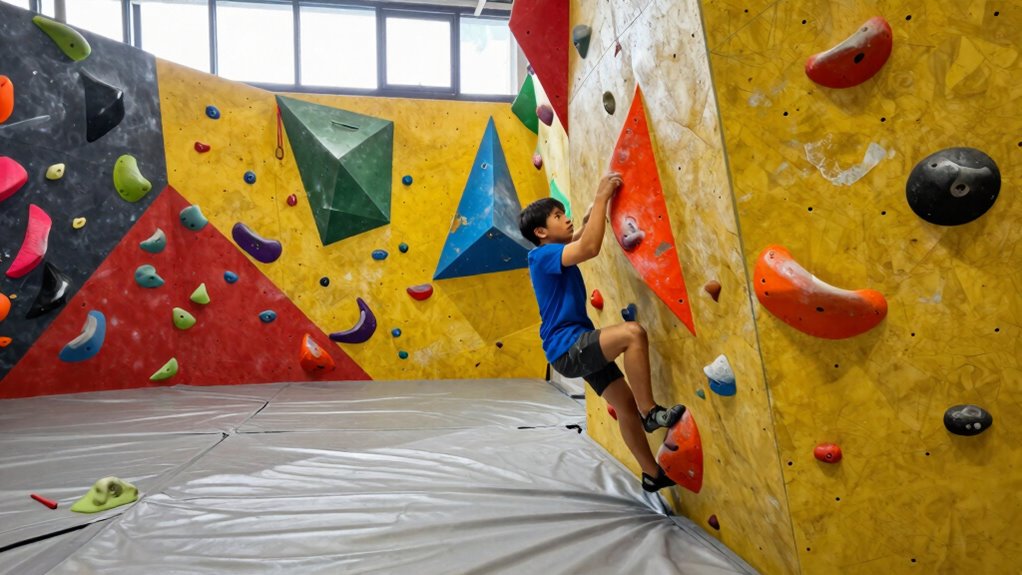
When it comes to encouraging safe risk-taking in children, foam climbers provide an ideal solution. They create a controlled environment where kids can challenge themselves physically without the dangers associated with harder, traditional playground equipment. As a parent, you want your child to develop confidence and resilience, and foam climbers help foster this by allowing them to explore new heights and movements safely. These soft structures are designed to absorb impact, reducing the risk of injury if your child slips or falls. Because of this, you can feel more at ease letting them push their limits under your watchful eye.
One key advantage of foam climbers is how they promote parent-child communication. As your child navigates the climbing structures, you can chat about their choices, reinforce safety rules, and encourage problem-solving. This interaction helps build trust and confidence, making the experience more positive and educational. You can ask questions like, “How do you think you’ll get to the top?” or “What’s your plan if you feel unsure?” These conversations support your child’s development, boosting their decision-making skills and independence while ensuring they understand the importance of safety. Regular safety checks are essential to maintain a secure environment and ensure the foam remains effective at absorbing impact.
Encourage open conversations to build trust, confidence, and safety awareness during play.
Equally important is performing regular equipment safety checks. Foam climbers require routine inspections to ensure they remain in good condition, especially after heavy use or any minor accidents. Look for tears, loose foam, or damaged seams, and tighten or replace components as necessary. Keeping the structure in top shape minimizes risks and prolongs its lifespan. When you conduct these safety checks, you also set an example for your child about the importance of caring for their environment and taking responsibility for safety. Remind your child to always report any damages they notice so you can address issues promptly and prevent injuries. Additionally, understanding indoor safety standards can help you ensure your play area remains secure and compliant. Incorporating biodiversity principles into your home, such as using eco-friendly and sustainable materials, can also contribute to a healthier environment for your family.
Using foam climbers indoors also means you can customize safety measures to fit your space and your child’s age. You can add soft mats underneath, for example, or set boundaries around the structure to keep play organized. These steps create an environment where risk is managed and curiosity is encouraged. As your child becomes more confident, you can gradually introduce them to new challenges, knowing that the foam structure provides a safe foundation for growth. The key is maintaining open communication and staying vigilant about safety, which allows your child to take healthy risks and learn resilience in a secure setting.
As an affiliate, we earn on qualifying purchases.
Frequently Asked Questions
What Materials Are Foam Climbers Typically Made From?
Foam climbers are typically made from high-density foam, which guarantees good support and resilience. You’ll find that the foam density is vital for durability and safety, as it withstands repeated use without losing shape. The outer material often includes durable, tear-resistant fabric like vinyl or polyester, which protects the foam and prolongs the climber’s lifespan. This combination makes foam climbers both safe and long-lasting for indoor adventures.
Are Foam Climbers Suitable for All Indoor Age Groups?
Yes, foam climbers are suitable for all indoor age groups. They prioritize children’s safety with soft, cushioned surfaces, reducing injury risk during play. At the same time, adults can use them for fitness activities like strength training and balance exercises. Their versatility makes foam climbers a great choice for mixed-age spaces, encouraging safe risk-taking and active fun for everyone.
How Do Foam Climbers Compare to Traditional Climbing Walls?
Foam climbers are softer and more forgiving than traditional climbing walls, making them ideal for practicing climbing techniques safely. They reduce injury risk and are suitable for all skill levels. While traditional walls often require safety certifications and specialized equipment, foam climbers typically don’t need extensive safety measures. This makes them a convenient, low-risk option for encouraging safe risk-taking indoors, especially for beginners and kids.
Can Foam Climbers Be Customized for Different Skill Levels?
Yes, foam climbers can be customized for different skill levels. You can create a personalized design that adjusts difficulty, making it perfect for beginners or advanced climbers. By adding or removing modules, changing the angles, or altering the height, you adapt the foam climber to match your skill level. This flexibility guarantees everyone can safely challenge themselves and progress at their own pace, fostering a supportive indoor climbing environment.
What Maintenance Is Required to Keep Foam Climbers Safe?
Maintaining foam climbers is like tending a garden—you need to care for them regularly. To keep them safe, check for wear and tear, especially on foam durability, and repair any damages promptly. Clean them with gentle cleaning procedures to remove dirt and oils that can degrade the material over time. Regular inspections and proper cleaning guarantee your foam climbers stay safe, durable, and inviting for climbers of all skill levels.
Conclusion
Remember, foam climbers aren’t just about fun—they’re about safety too. By providing a soft, forgiving surface, they encourage you to push your limits confidently. Did you know that indoor climbing accidents decrease by 40% when foam padding is used? So, as you challenge yourself on the wall, trust in the foam to catch you. Embrace the thrill of climbing, knowing that safety is always within reach, thanks to these supportive foam climbers.
Cold & flu season Picks
humidifiers
As an affiliate, we earn on qualifying purchases.