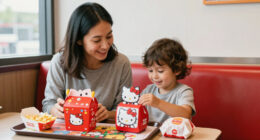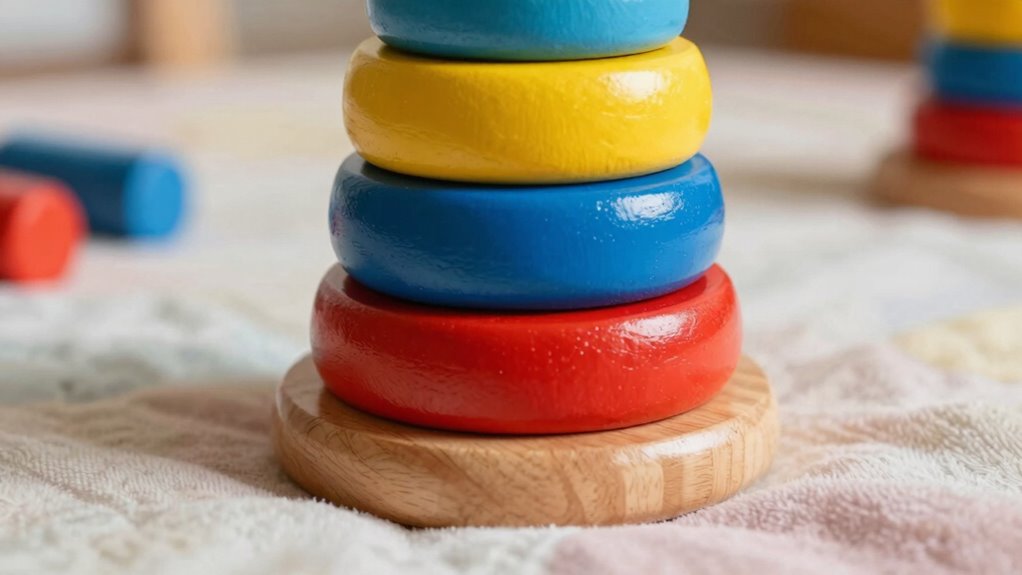
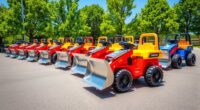
A preschool toy is worth keeping when it’s safe, made from durable materials, and offers educational value that supports your child’s development. Choose toys that are appropriate for your child’s age and interests to guarantee they stay engaged and motivated. Look for safety labels and certifications, and consider how well the toy can withstand rough play over time. The best toys provide long-term fun and learning—continue exploring to discover more tips for choosing the perfect preschool toy.

Turn the school run and nap time into listening time
- Thousands of audiobooks, podcasts and originals
- Listen on your phone, tablet or Echo — also offline
- Cancel anytime
Key Takeaways
- Ensures safety with non-toxic materials, proper labels, and no sharp or loose parts.
- Demonstrates durability to withstand rough handling and maintain safety over time.
- Offers developmental and educational value to support learning and skill-building.
- Is age-appropriate and aligns with the child’s interests for sustained engagement.
- Provides long-term worth through versatility, safety, and the ability to grow with the child.

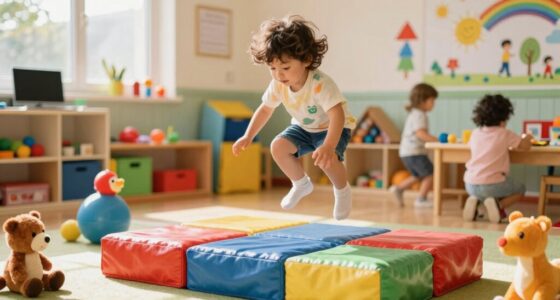
Choosing the right preschool toy can make a big difference in your child’s development, especially when you focus on those that are truly worth keeping. When selecting toys, safety should always be your top priority. Sensor safety is crucial because preschoolers often put toys in their mouths or handle them closely. You want to ensure that any toy you consider has been tested for sensor safety, meaning it won’t contain harmful chemicals or small parts that could pose choking hazards. Look for labels that indicate compliance with safety standards, and avoid toys with sharp edges or loose components. This way, you’re protecting your child from potential injuries while encouraging independent play. Additionally, considering the safety standards that toys meet can provide extra peace of mind. Ensuring that toys meet recognized safety standards also involves checking for certifications from credible organizations, which serve as additional assurances of safety. Incorporating proper ventilation into your child’s play area can further reduce exposure to indoor pollutants, making playtime safer. Durability testing is another essential factor in determining whether a toy is worth keeping. Preschoolers are energetic and often rough with their toys, so you need items that can withstand frequent use and rough handling. Toys that pass durability testing are made with sturdy materials and are designed to endure the wear and tear of active play. This not only saves you money in the long run but also ensures your child has a safe and reliable toy that won’t break into dangerous pieces. When shopping, check for reviews or manufacturer information about durability testing to confirm that the toy can handle everyday adventures. Investing in durable toys means fewer replacements and less worry about safety hazards caused by broken parts. Beyond safety and durability, a worth-keeping preschool toy should also promote learning and development. Look for toys that encourage creativity, problem-solving, and fine motor skills. For example, simple puzzles, building blocks, or art supplies are excellent options because they stimulate critical thinking and hand-eye coordination. The best toys are those that can grow with your child, offering new challenges as their skills improve. Versatility matters, too; a toy that can be used in different ways keeps your child engaged and sparks their imagination over time. Choosing versatile toys also helps maximize the educational value they provide, making them a worthwhile investment for ongoing growth. Finally, consider the toy’s age appropriateness and how it fits into your child’s interests. A toy that aligns with their current developmental stage will hold their attention longer and foster genuine interest. When you choose a toy that checks all these boxes—sensor safety, durability testing, developmental value, and age appropriateness—you’re making a smart investment. It’s a toy worth keeping because it contributes to your child’s growth, keeps them safe, and withstands the test of time and play.
As an affiliate, we earn on qualifying purchases.
Frequently Asked Questions
How Often Should I Review and Declutter Preschool Toys?
You should review and declutter preschool toys every few months. This helps with toy rotation, keeping your child’s interest high and preventing clutter. Regular checks allow you to identify toys that are broken or no longer suitable, making space for new ones. Consistent decluttering keeps their play area organized, safe, and stimulates creativity. Plus, it’s easier to manage when you set a schedule, like every three to four months.
Are There Eco-Friendly Options for Sustainable Preschool Toys?
Yes, there are eco-friendly options for sustainable preschool toys. Think of these toys as gifts from nature itself, crafted from natural materials like wood, organic cotton, and bamboo. Many brands participate in recycling initiatives, repurposing materials to create safe, durable toys that reduce waste. By choosing these sustainable options, you encourage eco-conscious habits early on and help protect the planet for future generations.
How Can I Involve Children in Choosing Which Toys to Keep?
You can involve children in toy selection by encouraging their input during cleanup or playtime. Ask them to choose which toys to keep or donate, explaining why certain toys are special or useful. This child involvement in toy selection helps them develop decision-making skills and a sense of responsibility. Make it a fun activity, and listen carefully to their preferences, ensuring they feel valued and empowered in the process.
What Safety Standards Should Preschool Toys Meet?
You should guarantee preschool toys meet strict safety standards by checking that the toy material is non-toxic, durable, and free from harmful chemicals. Additionally, the toys must be age-appropriate, with small parts or sharp edges avoided to prevent choking hazards or injuries. Always look for certified labels and adhere to safety guidelines to protect children’s health and ensure their playtime is safe and fun.
How Do I Store Preschool Toys to Maximize Space and Accessibility?
Think outside the box to maximize space and accessibility. Use storage solutions like bins, shelves, and labeled containers to keep toys organized and easy to find. Implement toy rotation to keep children engaged and prevent clutter. Regularly sort and store toys out of sight, making room for new favorites. This way, your space stays tidy, and preschool toys remain accessible, ensuring playtime stays fun and stress-free.
Conclusion
Ultimately, keeping a preschool toy is about its ability to foster creativity, learning, and joy. If a toy sparks your child’s imagination or helps develop essential skills, it’s worth holding onto. Did you know that children who play with open-ended toys tend to show higher problem-solving skills? By choosing toys that encourage exploration and growth, you’re investing in your child’s development and happiness. So, trust your instincts and keep the ones that truly make a difference.
Halloween Picks
halloween
As an affiliate, we earn on qualifying purchases.