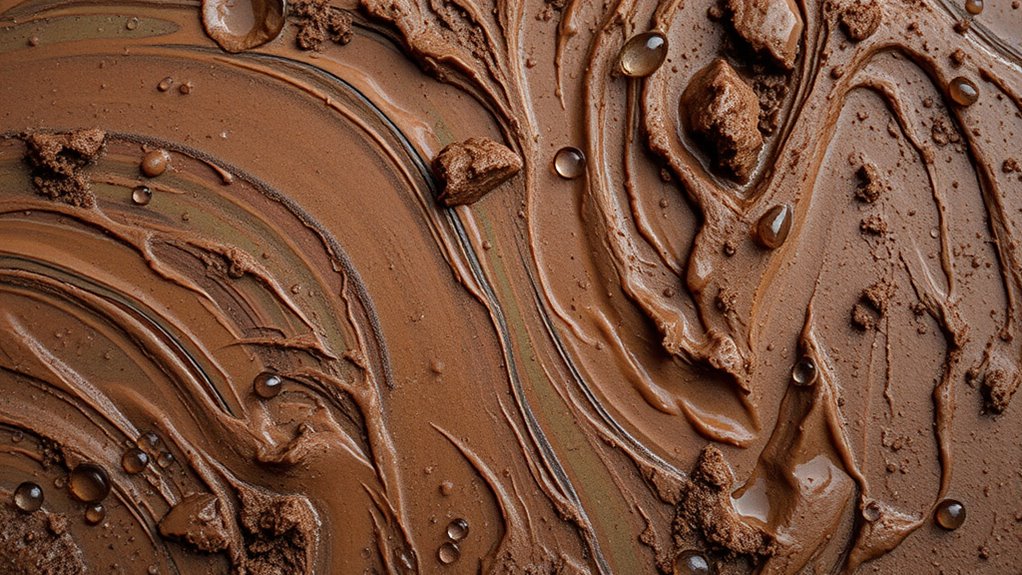

Mud painting is a creative process that uses natural, locally sourced mud to craft stunning, textured artworks. It’s deeply rooted in cultural traditions, serving as a way to tell stories, celebrate heritage, and connect with the earth. Artists layer, scrape, and carve mud to produce rich, earthy tones and intricate designs. This eco-friendly art form blends tradition with innovation, showing that beauty truly can emerge from mess. Keep exploring to discover more fascinating insights.
Key Takeaways
- Mud painting uses natural, locally sourced earth materials, emphasizing sustainability and eco-friendliness in art creation.
- It serves as a cultural storytelling medium, preserving traditions and ancestral heritage through artistic expression.
- Techniques like layering, scraping, and carving create textured, visually striking works with emotional and spiritual significance.
- The art form blends raw natural materials with craftsmanship, transforming mess into meaningful, beautiful narratives.
- Mud painting is adaptable for traditional ceremonies and contemporary art, promoting innovation while honoring cultural roots.
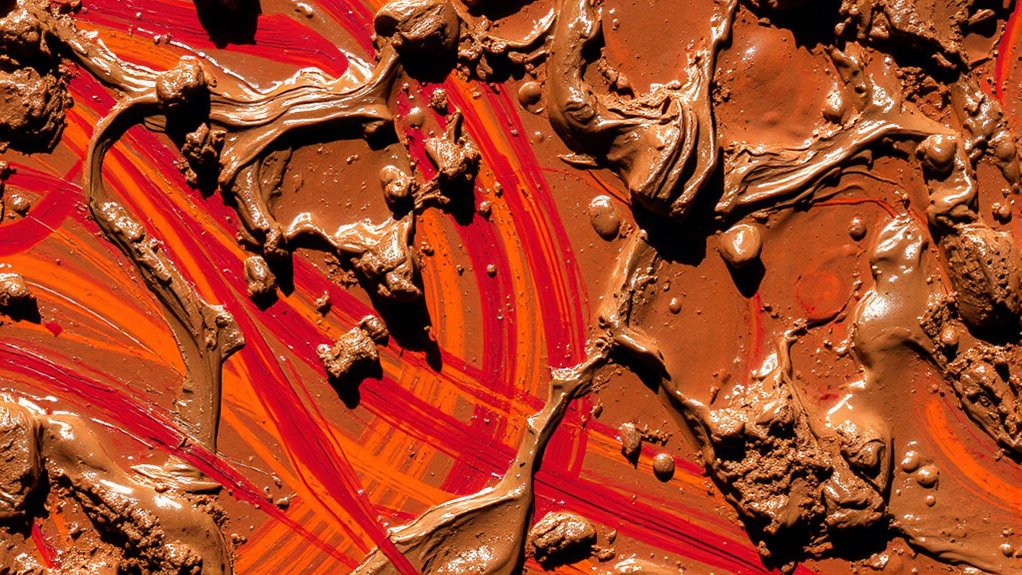
Have you ever wondered how artists transform simple mud into stunning works of art? It’s a fascinating process that blends creativity with tradition, turning what many see as a messy substance into a meaningful masterpiece. Mud painting isn’t just about the visual; it’s deeply rooted in cultural significance that stretches across countless communities worldwide. For many cultures, mud serves as a powerful symbol of connection to the earth, fertility, and ancestral heritage. Artists often use locally sourced mud to craft pieces that tell stories, preserve history, or celebrate community identity. This cultural significance elevates mud painting from mere craft to a form of storytelling that carries emotional and spiritual weight. When you explore mud art, you’re tapping into a rich tapestry of tradition that has been passed down through generations, often using natural materials found right in the environment. Recognizing recurring patterns and symbols in mud paintings can further deepen your understanding of their cultural significance. As for artistic techniques, mud painting is surprisingly versatile. Artists manipulate different types of clay and mud to achieve a variety of textures and effects. Some prefer a thick, paste-like mud that can be molded and layered, creating a three-dimensional feel, while others opt for a more fluid consistency suitable for washes or dripping effects. The application methods vary widely—brushes, fingers, even natural tools like sticks or leaves—each adding a unique touch to the final piece. Artists also experiment with blending colors by mixing different mineral-rich muds, resulting in earthy tones that range from deep reds and browns to muted grays. The process often involves layering, scraping, and carving, which adds depth and intricacy. These artistic techniques require patience and skill, as mud can dry quickly or crack if not handled properly. Mastering these methods allows artists to produce works that are both visually striking and rich in texture. Ultimately, mud painting combines the rawness of natural materials with the finesse of artistic craftsmanship. It’s a practice that emphasizes sustainability and resourcefulness, often utilizing materials that are readily available and eco-friendly. When you observe mud art, you’re witnessing a creative dialogue between nature and human expression. It’s a reminder that beauty can emerge from mess, and that artistic techniques can transform humble elements into meaningful, culturally significant works. Whether used in traditional ceremonies or contemporary installations, mud painting continues to thrive as a form of cultural storytelling and artistic innovation, proving that sometimes, the most unassuming materials can create the most powerful art.
Frequently Asked Questions
How Long Does Mud Painting Typically Last Outdoors?
Mud painting outdoors generally lasts from a few hours to several days, depending on weather durability. If it rains or gets wet, the artwork can wash away quickly, reducing its artistic longevity. Hot, dry conditions tend to preserve mud paintings longer, while moisture and wind speed accelerate deterioration. You should consider these factors when creating mud art outdoors to guarantee it stays visible as long as you want.
Are Mud Paintings Suitable for Indoor Display?
You might wonder if mud paintings work well indoors. They can be suitable, but you need to take into account indoor durability and dust management. Mud art isn’t as long-lasting inside as other mediums, so it may need protection. Regular dusting helps keep the artwork clean and vibrant. If you want a natural, earthy feel, mud paintings can add unique charm indoors, but ensure proper care to maintain their appearance.
What Tools Are Best for Creating Mud Art?
When creating mud art, you’ll want to use waterproof brushes to handle the moist, earthy textures. Natural pigments add vibrant color and authenticity, making your artwork more striking. Choose sturdy tools like palette knives for mixing and shaping, and avoid delicate brushes that might get damaged. With waterproof brushes and natural pigments, you’ll have the right equipment to bring your muddy masterpiece to life with bold, lasting colors.
Can Mud Paintings Be Preserved or Restored Over Time?
You might think mud paintings are impossible to preserve, but with the right preservation techniques, they can last for years. You’ll want to carefully apply preservation techniques like sealing and controlling humidity. If damage occurs, restoration methods such as gentle cleaning and patching can revive your artwork. While mud art is inherently fragile, proper care allows you to keep your masterpiece vibrant and intact, defying the odds of nature’s messiest canvas.
Is Mud Painting Environmentally Sustainable?
You might wonder if mud painting is eco-friendly. It generally is, since it uses natural pigments and eco-friendly materials, making it sustainable. Mud is a renewable resource, and when you create with it, you’re reducing environmental impact. Plus, mud paintings don’t require harmful chemicals or extensive energy. So, if you want an art form that’s both beautiful and kind to the planet, mud painting fits the bill perfectly.
Conclusion
So, next time you think mud’s just for kids or messes, remember it’s actually nature’s own masterpiece. You might say it’s a “mess,” but in reality, it’s art in the raw—messy, unpredictable, and beautifully imperfect. Ironically, what seems like chaos is Mother Nature’s way of creating chaos with purpose. So, go ahead, embrace the mud. After all, sometimes the best art comes from getting your hands dirty—and loving every muddy minute of it.