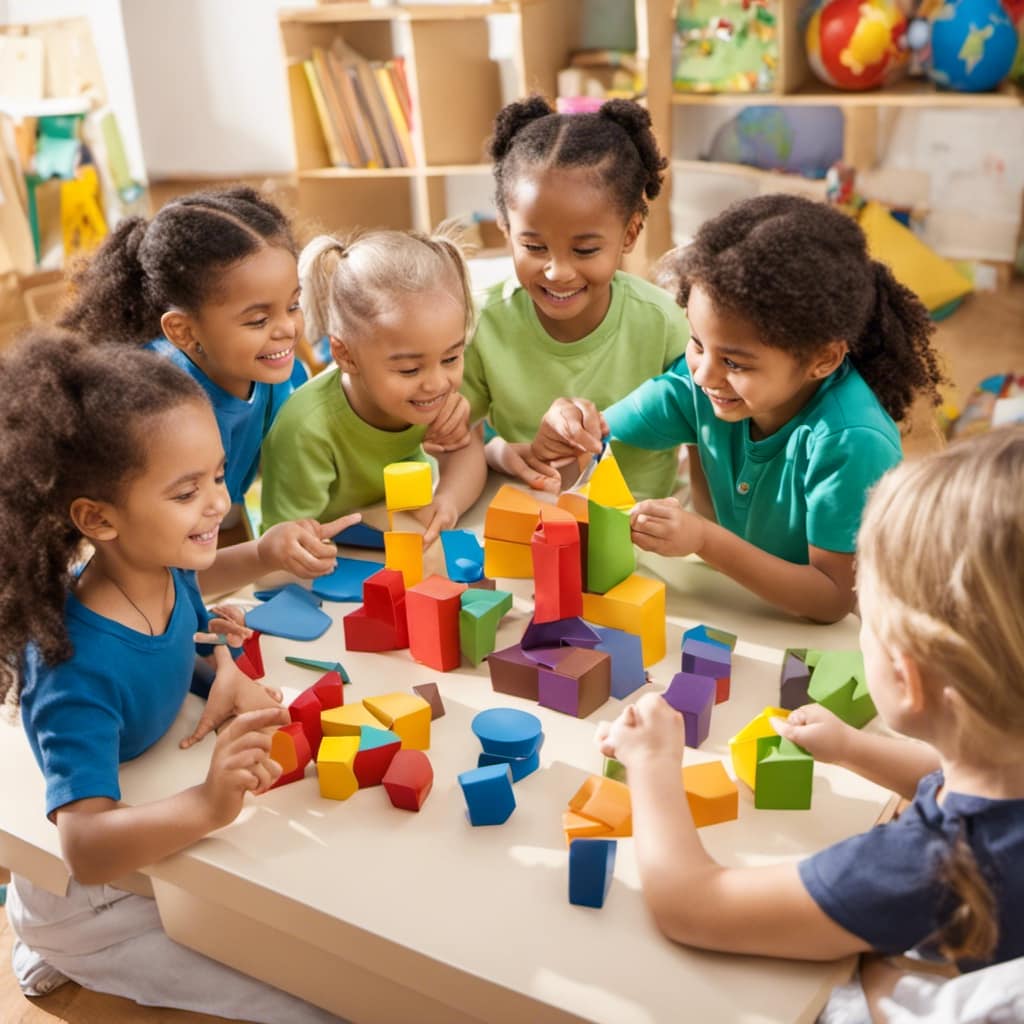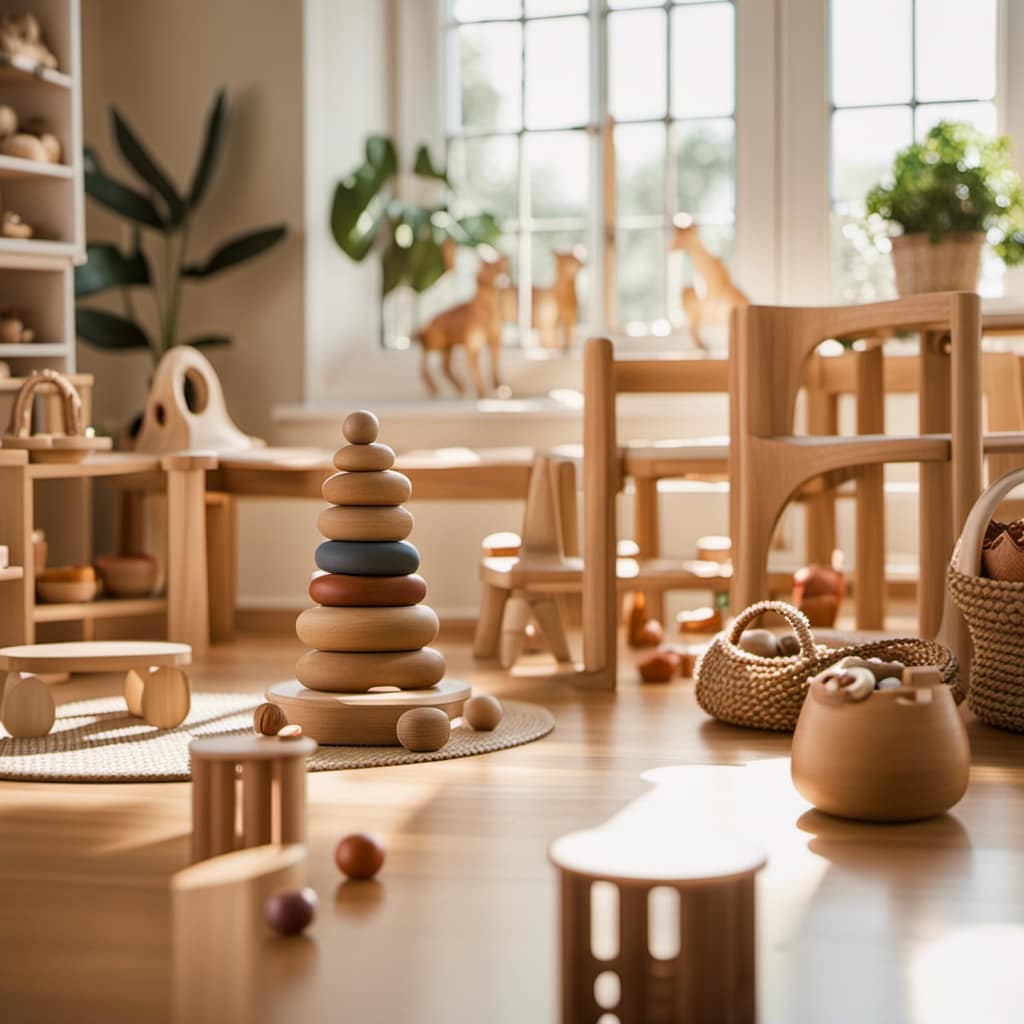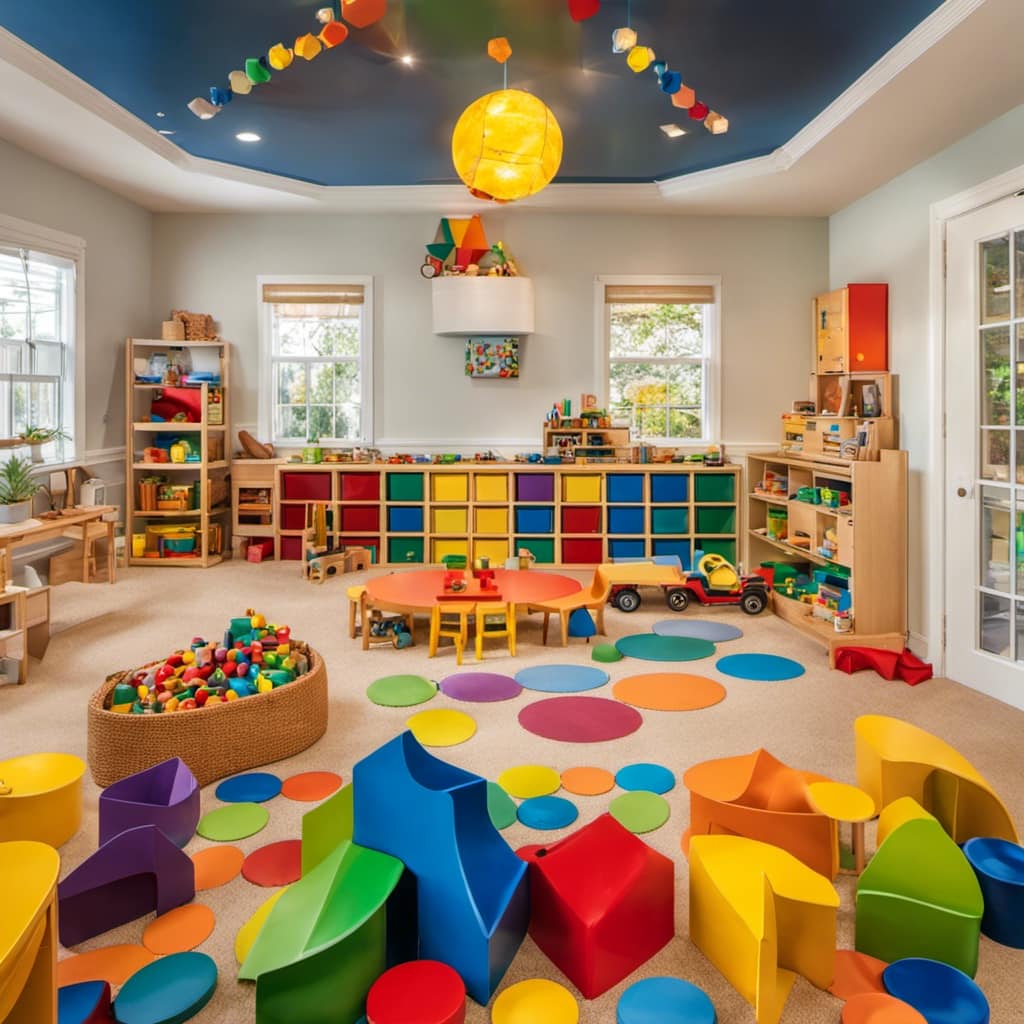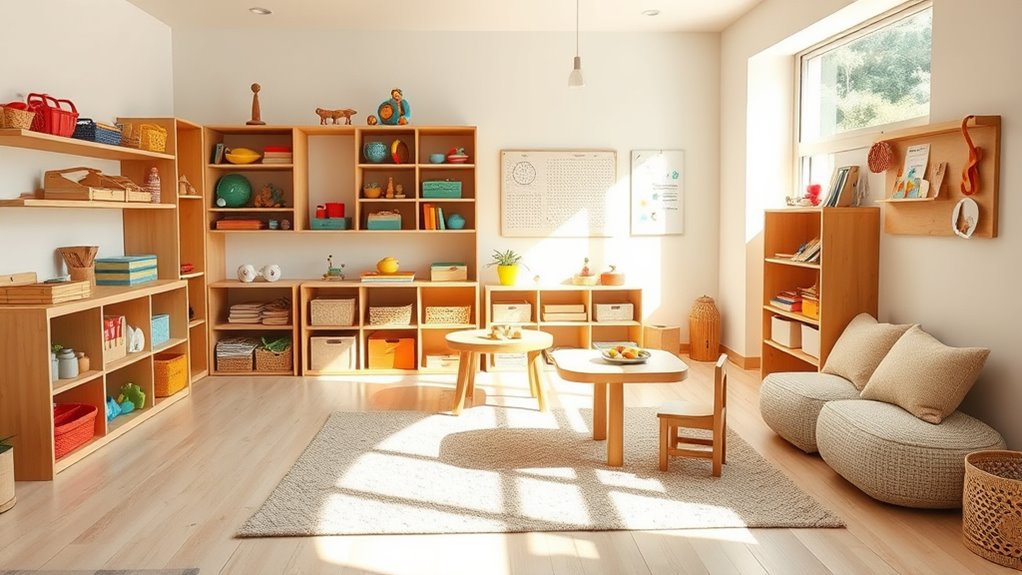
To design a Montessori playroom at home, choose low, child-friendly furniture and organize materials on open shelves for easy access and independence. Incorporate sensory bins, natural materials, and clearly labeled containers to foster exploration and decision-making. Create designated areas for different activities and keep the space simple, inviting, and clutter-free. Focusing on safety and accessibility helps your child develop confidence and love learning—continue exploring for more practical tips and ideas.
Key Takeaways
- Use low, accessible furniture and open shelving to promote independence and easy access to materials.
- Incorporate sensory bins with natural, inviting materials to stimulate exploration and tactile development.
- Organize toys and activities in baskets or trays, clearly labeled with pictures or words.
- Designate specific areas for different types of play, such as quiet, creative, and manipulative zones.
- Maintain a simple, clutter-free environment with natural materials to foster decision-making and self-directed learning.

Creating a Montessori playroom at home is a wonderful way to foster your child’s independence and love for learning. When designing this space, focus on simplicity, accessibility, and natural materials to encourage exploration and self-directed activity. One effective way to do this is by incorporating sensory bins. These bins are versatile tools that stimulate your child’s senses and support fine motor development. Fill them with materials like rice, beans, pasta, or natural objects such as shells or stones, and pair them with tools like scoops, tongs, or small containers. Sensory bins invite open-ended play, helping your little one explore textures and practice skills at their own pace. Keep these bins within easy reach on low shelves, so your child can select and put away materials independently, reinforcing their sense of control and responsibility.
Create a Montessori playroom with sensory bins to inspire independence and tactile exploration.
Another key to creating a Montessori-inspired environment is DIY furniture. Instead of bulky, traditional pieces, opt for low, sturdy furniture that your child can access comfortably. You can build or modify existing furniture to suit their size—think of a small table for activities or a low bookshelf for their books and materials. DIY furniture not only saves money but also allows you to customize the design to fit your space and your child’s needs. Use natural wood or non-toxic paints to keep the environment safe and inviting. The goal is to create a space where your child can easily reach everything they need for their activities, fostering independence and decision-making.
When designing your Montessori playroom, prioritize open shelving and clear organization. Use baskets or trays to sort toys and materials, making it easy for your child to find and put away items without assistance. Labeling these containers with pictures or words can further support their literacy skills and encourage them to take responsibility for tidying up. Keep the overall layout simple and uncluttered, with designated areas for different types of play—such as a quiet corner, a creative zone, and a manipulative area. This structured yet flexible setup allows your child to move freely and choose activities based on their interests, which nurtures their natural curiosity and independence.
Ultimately, a Montessori playroom at home is about creating a safe, inviting environment that empowers your child to explore, learn, and grow on their own terms. Incorporating sensory bins for tactile discovery and DIY furniture for easy access, and understanding the importance of educational content like high-quality toys and materials, will help you build a space that truly supports your child’s developmental journey.
Frequently Asked Questions
How Can I Personalize the Montessori Playroom for My Child’s Interests?
You can personalize the Montessori playroom by incorporating your child’s interests into the materials and activities. Observe what excites them—whether it’s animals, art, or building—and select books, toys, and tools that reflect those passions. This encourages personalized learning, keeps them engaged, and fosters independence. Arrange the space to highlight their favorite themes, making the environment inviting and relevant, so your child feels motivated to explore and learn.
What Safety Measures Are Essential in a Home Montessori Playroom?
Think of your playroom as a fortress protecting your little explorer. You should child proof everything by securing furniture to the wall, covering outlets, and removing sharp objects. Use age-appropriate furniture that’s sturdy and the right size to prevent falls. Regularly check for hazards, keep small objects out of reach, and make certain toys are safe. These safety measures create a secure space where your child can freely learn and grow.
How Do I Introduce New Activities Gradually Without Overwhelming My Child?
You can introduce new activities gradually by practicing progressive introduction, which means starting with simple tasks before moving to more complex ones. Rotate activities regularly to keep your child engaged without overwhelming them. Observe their interests and readiness, then offer new options at their pace. This approach helps build confidence, fosters independence, and maintains a balanced, stimulating environment that encourages exploration without feeling overwhelming.
What Are Affordable DIY Options for Montessori Materials?
You can create affordable Montessori materials with simple DIY projects. Start by making homemade puzzles from cardboard or wood, cutting out shapes or images your child loves. Use recycled toys, like clean jars or old buttons, as sorting or counting tools. These options are budget-friendly, eco-conscious, and promote independence. Plus, they add a personal touch to your child’s play space, encouraging exploration and learning without spending a lot.
How Can I Involve Siblings or Other Children in the Playroom?
You can involve siblings or other children by encouraging sharing responsibilities in the playroom, like organizing materials or cleaning up together. Set up activities that promote sibling bonding, such as cooperative tasks or games that require teamwork. Let them take turns with Montessori materials and praise their cooperation. This approach fosters positive interactions, teaches responsibility, and helps children develop a stronger sibling relationship while enjoying the Montessori environment.
Conclusion
Creating a Montessori playroom at home isn’t just about organizing toys; it’s about fostering independence and curiosity in your child. By thoughtfully designing a space that encourages exploration and self-directed learning, you’re setting the foundation for lifelong growth. So, why not give your child the gift of a nurturing environment where they can thrive? After all, isn’t the most lasting gift you can offer a space that inspires their natural love for discovery?