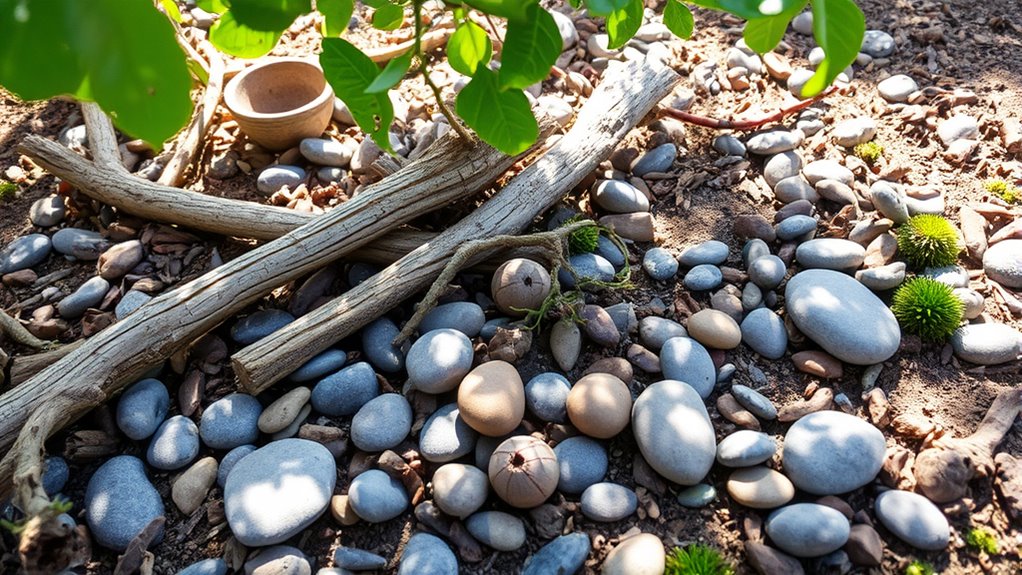

Using loose parts like sticks and stones outdoors offers endless opportunities for fun and learning. You can encourage children to explore, create, and solve problems while developing their motor skills and confidence. Safety is key—always check for hazards, supervise closely, and set boundaries to prevent accidents. By understanding how to balance free play with safety precautions, you’ll foster a space for creative growth. Keep exploring to learn more about making outdoor play both exciting and safe.
Key Takeaways
- Conduct risk assessments to identify and mitigate hazards like sharp edges or splinters in outdoor loose parts.
- Supervise children closely, setting boundaries and teaching safe handling of natural materials such as sticks and stones.
- Designate safe, even play areas with minimal debris to facilitate secure exploration of loose parts.
- Encourage open-ended play with natural materials to foster creativity, critical thinking, and confidence in risk-taking.
- Regularly inspect and discard broken or unsafe objects to maintain a safe outdoor loose parts play environment.
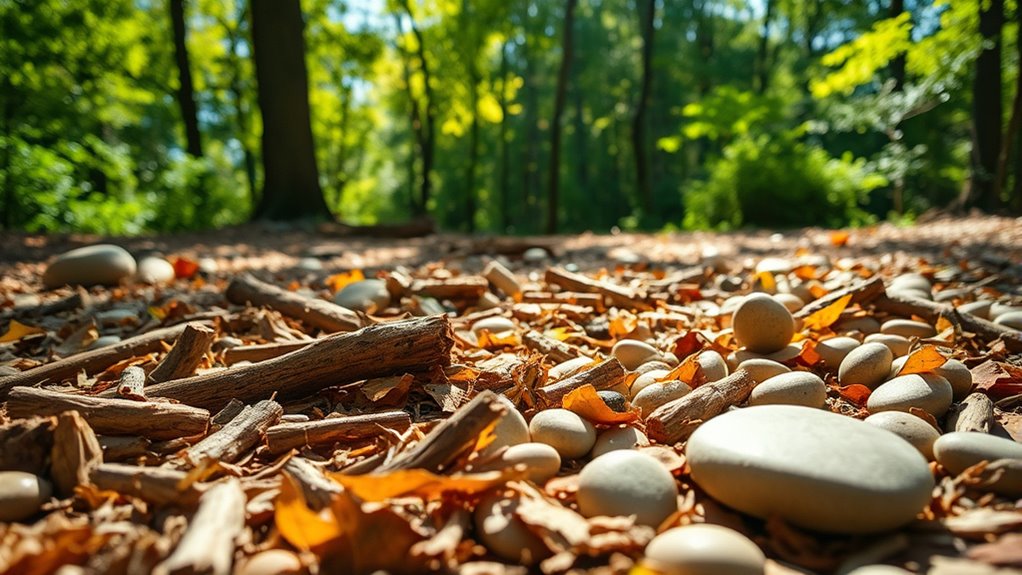
Outdoor environments offer endless opportunities for children to explore and create through loose parts. When you introduce natural materials like sticks, stones, and other found objects, you open a world of possibilities for playful learning. But as you encourage this creative exploration, it’s vital to keep safety in mind. Conducting a thorough risk assessment becomes your first step. You need to identify potential hazards, such as sharp edges on stones or splinters from broken sticks, and decide how to mitigate them. For example, you might choose to supervise children closely during their play or set boundaries to prevent access to potentially dangerous areas. This proactive approach ensures that children can enjoy the benefits of loose parts while minimizing the risk of injury.
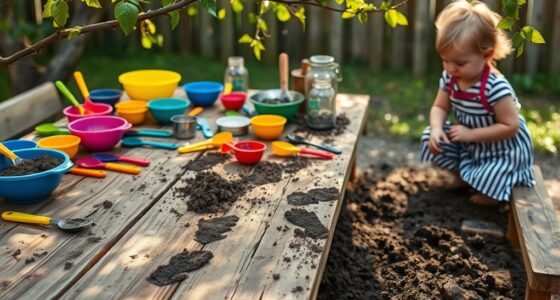
Engaging children with loose parts outdoors isn’t just about safety; it’s about inspiring their imagination and problem-solving skills. When kids manipulate sticks, stones, and other natural elements, they’re engaging in creative exploration that develops their cognitive and motor abilities. They might build forts, create sculptures, or experiment with balance and structure. You can foster this process by providing minimal instructions, encouraging children to think critically about how they use the materials, and supporting their ideas. This kind of open-ended play promotes independence and confidence, helping children learn to assess risks themselves and develop their own judgment about how to handle different situations. Additionally, understanding the role of safety precautions**** in outdoor play helps create a balanced environment where children can explore freely while staying protected.
Encourage open-ended play to boost creativity, independence, and risk assessment skills in children.
To support safe creative exploration, you should also consider organizing your outdoor space thoughtfully. Designate specific areas for loose parts play, making sure that the ground is even and free of debris that could cause trips or falls. Regularly inspect your materials, discarding any broken or unsafe items, and replace them as needed. Educate children on safe handling—such as not throwing stones or climbing on unstable structures—and set clear boundaries about what is acceptable during play. Supervising play doesn’t mean hovering; rather, it involves being present and attentive, ready to step in if a situation looks risky. This balance allows children to take manageable risks, which is vital for their growth and confidence, while you maintain a safe environment.
Ultimately, embracing loose parts outdoors offers children an incredible chance to learn through hands-on discovery. By balancing safety precautions with the freedom for creative exploration, you foster an environment where children can thrive, experiment, and develop essential life skills. The key is thoughtful planning combined with trust in their ability to navigate risks, giving them the space to grow while keeping their safety a top priority.
Frequently Asked Questions
How Can I Ensure Loose Parts Are Age-Appropriate for Children?
You can guarantee loose parts are age-appropriate by selecting materials that match children’s developmental stages, following safety guidelines. Check for small parts that could be a choking hazard for younger kids, and avoid sharp or heavy objects. Regularly inspect the materials for damage, and always supervise play. By choosing safe, suitable loose parts, you encourage creative play while minimizing risks, ensuring a fun and secure outdoor experience.
What Are the Best Ways to Sanitize Natural Loose Parts?
Imagine you’re preparing natural sticks for outdoor play; you can use DIY sterilization techniques like soaking them in a solution of vinegar and water for 15 minutes. Natural material cleaning is essential to guarantee safety, especially for young children. After soaking, rinse thoroughly and let them dry in the sun, which naturally helps sterilize. This simple method keeps loose parts safe and germ-free without harsh chemicals.
How Do I Prevent Choking Hazards With Small Outdoor Loose Parts?
To prevent choking hazards with small outdoor loose parts, you should practice choking hazard awareness and always supervise children closely. Regularly inspect the loose parts and remove any that are too small or damaged. Teach children safe small parts handling, emphasizing not to put items in their mouths. Keep small parts organized and stored out of reach when not in use, ensuring a safer outdoor play environment.
Are There Eco-Friendly Options for Sourcing Loose Parts Outdoors?
Every cloud has a silver lining, and eco-friendly options for sourcing loose parts outdoors are abundant. You can explore sustainable sourcing by gathering natural materials like twigs, stones, and leaves from your local environment, ensuring they’re pesticide-free and responsibly collected. Additionally, opt for eco-friendly materials such as bamboo or recycled wood, which minimize environmental impact. This approach promotes sustainability while providing engaging, natural loose parts for outdoor play.
How Can I Encourage Creative Play With Natural Loose Materials?
You can encourage creative play with natural loose materials by setting up opportunities for nature-based art and open-ended exploration. Offer sticks, stones, and leaves as tools or art supplies, inspiring kids to build, sculpt, or create patterns. Encourage them to experiment freely, fostering imagination and problem-solving. By providing a variety of natural materials and praising their inventive ideas, you promote engagement and deeper connection with the outdoors.
Conclusion
As you encourage children to explore loose parts outdoors, remember that their imaginative play boosts creativity and problem-solving skills. Did you know that children engaged in unstructured outdoor play develop better social skills and resilience? By providing natural materials like sticks and stones, you’re fostering development while ensuring safety. Embrace the unpredictability, and watch kids grow confident, curious, and connected to nature—one loose part at a time.