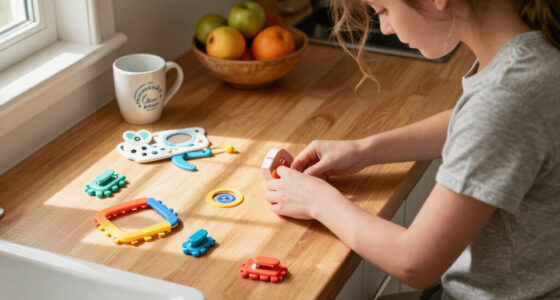

To think long-term about bigger play purchases, assess how the toy fits into your overall budget and space. Prioritize durable, versatile items that can grow with your child and offer ongoing benefits. Consider if the toy will remain engaging in a year or two, supporting their development and encouraging physical activity or creativity. By evaluating safety, quality, and adaptability, you guarantee your investment lasts. Keep exploring to discover more tips for making smart, lasting choices.

Turn the school run and nap time into listening time
- Thousands of audiobooks, podcasts and originals
- Listen on your phone, tablet or Echo — also offline
- Cancel anytime
Key Takeaways
- Assess how the toy supports your child’s ongoing development and evolving interests over time.
- Prioritize high-quality, adaptable playsets that can be expanded or modified as needs change.
- Consider long-term value, durability, and safety features to ensure sustained usability.
- Evaluate space requirements and practicality to ensure the toy fits well within your living environment.
- Avoid impulsive purchases by linking the item to broader investment strategies for growth and learning.
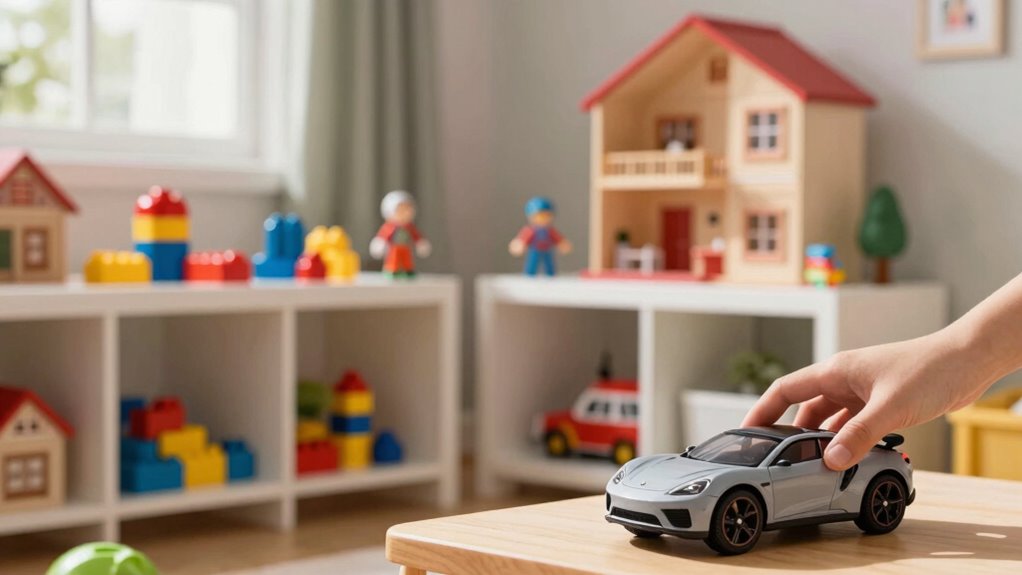
When you’re considering bigger play purchases for your child, thinking long-term can help you make smarter decisions. Instead of rushing into impulsive buys, take a moment to evaluate how this investment fits into your overall budget planning. Larger toys or playsets can be tempting because they seem like a great way to keep your child entertained. However, it’s essential to consider their durability, versatility, and how well they will grow with your child. By adopting a strategic approach, you ensure that your money is well spent and that your child benefits from playthings that last.
One effective way to approach these purchases is to think of them as part of your broader investment strategies. Just like with financial planning, you want to maximize value and minimize waste. Look for high-quality, timeless items that aren’t just entertaining now but will also continue to engage your child as they develop. For example, a sturdy, modular playset might cost more upfront but can be adapted or expanded over time, providing ongoing entertainment and development opportunities. This kind of thoughtful investment reduces the need for frequent replacements, saving you money in the long run. Additionally, considering child development benefits can help guide you toward toys that support your child’s growth holistically. Recognizing the importance of long-term value in your purchases can help you avoid impulsive decisions that don’t stand the test of time.
Invest in high-quality, adaptable toys to ensure lasting value and ongoing developmental benefits for your child.
As you plan your budget, consider not only the immediate cost but also the potential for future use. Ask yourself whether the play item will still be relevant and engaging in a year or two. Will it encourage physical activity, creativity, or social interaction? If so, it’s likely a worthwhile investment. Also, consider the space it will take up and whether it’s manageable within your home or yard. Sometimes, a smaller but more versatile toy can be just as beneficial as a large, elaborate playset, especially if it can be used in multiple ways. Thinking about space efficiency can help you make smarter choices that fit within your living environment.
Additionally, researching durability and safety features can ensure your purchase remains a worthwhile investment over time. When you approach big play purchases with a long-term mindset, you’re more likely to select items that will serve your child’s needs now and in the future, making every dollar count in your overall investment strategy.
As an affiliate, we earn on qualifying purchases.
Frequently Asked Questions
How Do I Evaluate the Long-Term Value of a Play Purchase?
To evaluate the long-term value of a play purchase, consider how it fits with your playroom organization and safety considerations. Ask if it promotes creative play and durability, ensuring it lasts years. Think about whether it’s easy to maintain and safe for your kids, avoiding potential hazards. Additionally, assess if it can adapt as your children grow, providing ongoing entertainment and developmental benefits, making your investment worthwhile over time.
What Financial Strategies Can Help Save for Big Play Investments?
You can save for big play investments by adopting smart financial strategies like budget planning to set aside consistent savings. Don’t worry about limiting your fun now—diversifying your investments guarantees you’re building wealth steadily while still enjoying your hobbies. Prioritize your goals, automate your savings, and keep a balanced approach. This way, you enjoy your play purchases without sacrificing financial stability, making long-term enjoyment and security achievable.
How Do Seasonal Sales Impact My Long-Term Play Purchase Plans?
Seasonal sales can greatly influence your long-term play purchase plans by offering seasonal discounts that make big items more affordable. By timing your purchases around these sales, you can save money and stretch your budget further. Planning ahead for seasonal discounts ensures you buy when prices are lowest, helping you stay consistent with your long-term goals. Always monitor upcoming sales to optimize your purchase timing and maximize savings.
Should I Consider Resale Value When Buying Larger Play Items?
Yes, you should consider resale value when buying larger play items, especially if you want to maintain good playroom organization and safety. Resale value can help recoup costs if your child’s interests change or space becomes limited. Look for durable, popular pieces that hold their worth. Prioritize safety considerations, ensuring the items meet safety standards, so your investment remains a smart long-term choice that supports a safe, organized play environment.
How Can I Involve Children in Long-Term Play Purchase Decisions?
Getting children involved in long-term play purchase decisions is like planting seeds for teamwork. You can foster parent-child collaboration by discussing options together and listening to their ideas. This approach helps them feel valued and develops decision-making skills. When creating a playroom environment, include their preferences, ensuring the space reflects their interests. Engaging kids in these choices makes them more excited about the investment and creates a shared sense of ownership.
Conclusion
So, next time you’re tempted to splurge on that shiny new playset, remember: think long-term—like, future-You long-term. Will it be the hero of your backyard kingdom or just another fancy dust collector? Maybe invest in something that’ll withstand the test of time (and toddler tantrums). Because nothing says “smart decision” like a giant, expensive toy that’ll last longer than your kid’s attention span—well, maybe. Happy long-term planning!
Fall Picks
fall essentials
As an affiliate, we earn on qualifying purchases.