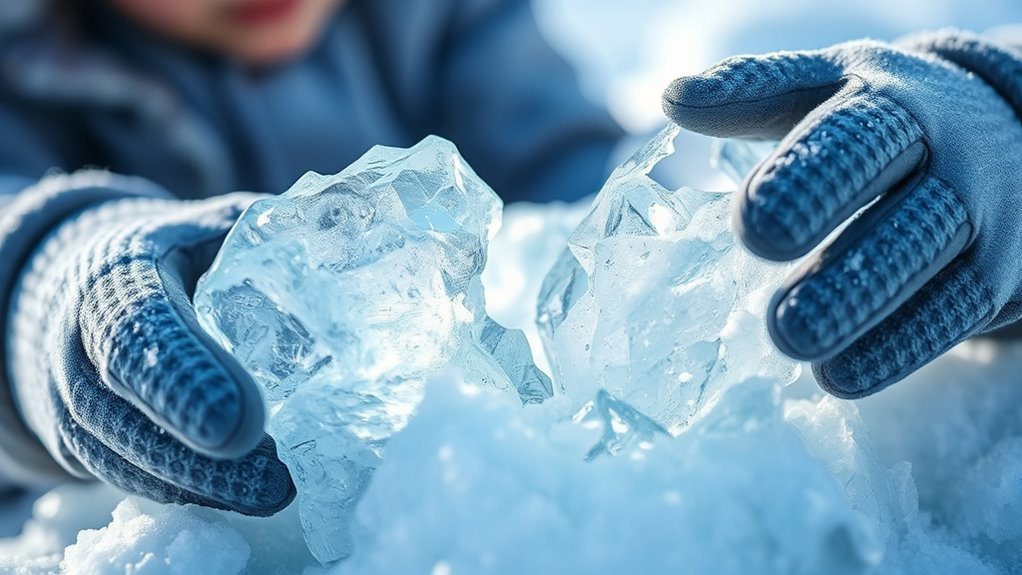

When venturing into ice excavation for fine-motor adventures or business, you need to prioritize safety and insulation. Use materials that resist extreme cold to prevent melting and guarantee ice stability. Follow strict safety protocols, wear proper gear, and employ specialized equipment designed for icy conditions. Incorporating technology like automation can reduce risks further. Keep environmental factors monitored continuously. If you keep exploring, you’ll discover even more effective techniques to keep your operations safe and successful.
Key Takeaways
- Proper thermal insulation is essential to prevent melting and ensure ice stability during excavation activities.
- Selecting cold-resistant, durable materials enhances safety and efficiency in frozen ice environments.
- Strict safety protocols and specialized equipment minimize risks like slips, falls, and equipment failure.
- Incorporating automation and safety gear reduces hazards related to hypothermia, frostbite, and environmental dangers.
- Continuous environmental monitoring and planning optimize operations while protecting delicate ice structures.

Have you ever wondered how large quantities of ice are safely and efficiently extracted from frozen environments? When dealing with such cold, unforgiving conditions, understanding the importance of thermal insulation and excavation safety becomes essential. These elements work together to ensure the process is not only effective but also safe for everyone involved. Proper thermal insulation helps protect the surrounding environment and the extraction site itself, minimizing heat transfer that could weaken the ice or cause dangerous collapses. You need to carefully select insulation materials that can withstand extreme cold and prevent heat from penetrating the ice, which could lead to melting or instability. This is especially important when working in delicate environments like glaciers or ice sheets, where even slight temperature changes can compromise safety.
Proper insulation and safety are vital for efficient, secure ice extraction in fragile environments.
Excavation safety is also a top priority. When you’re working in icy conditions, the risk of slips, falls, and equipment failure increases dramatically. You must implement strict safety protocols, including proper training, to ensure that everyone understands how to operate tools and machinery safely. Using specialized equipment designed for cold temperatures is essential—standard tools can become brittle or malfunction in freezing conditions. Additionally, you need to plan your excavation carefully, considering the natural weaknesses of the ice and the potential for sudden collapses. This involves thorough site assessments and continuous monitoring of the ice’s stability throughout the operation.
To enhance safety, you should also incorporate protective gear and safety barriers. Ice can be deceptively unstable, and even minor shifts can cause dangerous falls or injuries. Setting up secure work zones with reinforced barriers helps keep workers out of harm’s way. It’s equally important to keep communication clear and constant, especially when working in remote or harsh environments where visibility might be limited. Using radios or signaling devices ensures everyone stays informed, and any hazards can be addressed immediately.
Furthermore, safety extends beyond the immediate work zone. Planning for emergency evacuation and providing proper first aid equipment are essential components of your safety strategy. Recognize that the cold itself can be a hazard—hypothermia and frostbite are real risks, so proper clothing and regular breaks are necessary. Additionally, integrating automation technologies can improve operational efficiency and safety by reducing manual exposure to hazards. Overall, a combination of effective thermal insulation techniques and rigorous excavation safety protocols allows you to extract ice efficiently while protecting yourself, your team, and the environment. When you prioritize these elements, the entire operation becomes more sustainable, reducing risks and increasing your chances of success in this frozen adventure.
Frequently Asked Questions
What Safety Equipment Is Essential for Ice Excavation?
When you’re doing ice excavation, safety equipment is essential for ice safety. You should always wear protective gear like helmets to prevent head injuries, insulated gloves to keep your hands warm and safe, and sturdy boots with good traction for stability on slippery surfaces. Additionally, using ice picks or awls for controlled breaking helps prevent accidents. Always check your safety gear before starting to guarantee you’re protected during your fine-motor adventures.
How Do Temperature Variations Affect Ice Excavation Techniques?
Temperature variations critically impact ice excavation techniques. As temperatures fluctuate, thermal expansion can cause ice to crack or shift, making excavation more unpredictable. Conversely, frost heave may lift or destabilize ice layers, complicating extraction efforts. You need to adapt your methods, considering these effects, to guarantee safety and efficiency. Monitoring temperature changes closely helps you anticipate ice behavior and choose appropriate tools, reducing risks during excavation.
What Are Common Challenges Faced During Frozen Soil Excavation?
Ever notice how frozen soil can be tricky to excavate? You might face challenges like maintaining soil stability, which is vital for safety and efficiency. Equipment durability also becomes a concern, as cold temperatures can cause machinery to break down more easily. These issues demand careful planning, proper tools, and adaptable techniques, so you can successfully navigate frozen soil conditions without compromising safety or productivity.
How Is Ice Excavation Environmentally Sustainable?
You can make ice excavation environmentally sustainable by using eco-friendly methods like recycling water and minimizing chemical use. Relying on renewable energy sources, such as solar or wind power, reduces your carbon footprint during the process. These practices help protect the environment, ensuring the frozen soil removal is both efficient and sustainable. By prioritizing eco-conscious techniques, you contribute to a healthier planet while completing your excavation projects responsibly.
What Tools Are Most Effective for Delicate Ice Removal?
You should use tools designed for delicate ice removal, like plastic picks or fine chisels, to prevent unnecessary ice melting and damage. These tools are durable enough to handle careful work without breaking easily. Avoid metal tools that could cause cracks or melt ice faster. By choosing the right tools, you guarantee precise removal while maintaining ice integrity, making the process more sustainable and reducing environmental impact.
Conclusion
As you explore ice excavation, remember that over 90% of the world’s freshwater is locked in glaciers and ice sheets. This frozen treasure holds endless possibilities for discovery and adventure. By engaging in these activities, you’re not only testing your skills but also connecting with a essential part of our planet’s ecosystem. Embrace the thrill of frozen fine-motor challenges, knowing you’re part of a movement that values and preserves our icy world for generations to come.