

Use this guide to choose or assemble a Halloween costume your child can move in, see through, and wear comfortably outdoors. It is written for caregivers with no sewing experience; most costumes can be made from everyday clothes and a few accessories. Allow 1–3 hours for planning, assembly, and a full-dress check, with extra time if you need to buy supplies.

Turn the school run and nap time into listening time
- Thousands of audiobooks, podcasts and originals
- Listen on your phone, tablet or Echo — also offline
- Cancel anytime
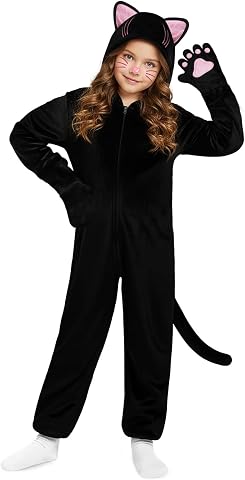
Black Cat Costume Onesie for Kids
- ✔ Brand: GKTZ
- ✔ Material: Polyester flannel
- ✔ Included accessories: Cat-ear hat, cat claws, attached tail

Meland Light-Up Witch Costume for Girls, Ages 3–10
- ✔ Brand: Meland
- ✔ Age range: 3–10 years
- ✔ Fabric: Polyester
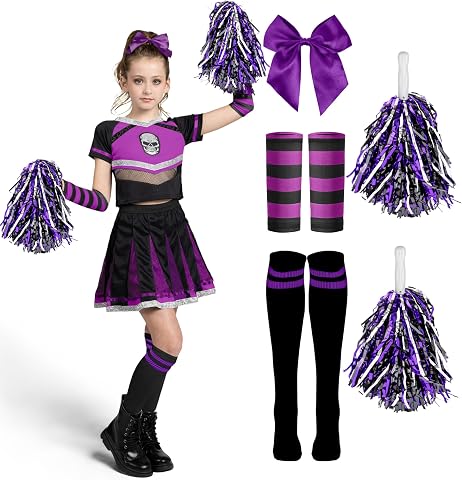
Spooktacular Creations Girls’ Scary Cheerleader Halloween Costume
- ✔ Material: 100% polyester
- ✔ Included clothing: Top, skirt, pair of socks, pair of sleeves
- ✔ Included accessories: Two pom poms and a hair clip
Difficulty: Beginner | Time: 1–3 hours, plus shopping or delivery time
What You’ll Need
Tools & Materials:
- Weather-appropriate base clothing, such as a long-sleeved shirt, leggings, or a warm layer
- Costume pieces or simple supplies such as fabric, felt, cardboard, or face paint
- Child-safe scissors and washable tape or fabric-safe adhesive if making accessories
- Comfortable shoes with good traction
- Reflective tape, a flashlight, or glow accessories
Knowledge:
- Know the child’s clothing size, sensitivities, and preferred characters or themes
- Be able to supervise the child while using scissors, adhesives, makeup, or small accessories
Check the local forecast and planned event rules before choosing materials. Avoid accessories that block vision, trail near the feet, or contain small parts for young children. For store-bought costumes, check the label, care instructions, and age guidance.
Black Cat Costume Onesie for Kids
For families who want a costume that can carry a child through trick-or-treating and still feel useful afterward, the Black Cat Costume Onesie is our most versatile pick. Its soft polyester flannel construction, loose fit, and elastic cuffs are geared toward easy movement, while the attached tail, cat-ear hat, and claws give the outfit its character without requiring a separate collection of costume pieces. Compared with the cheerleader set, it is less of a layered, performance-style look; compared with the witch costume, it trades glowing details for a simpler outfit that can double as loungewear.Small practical touches strengthen its Halloween case. Side pockets can hold small items, and front and back zippers provide access points while dressing. The listing says it can be machine washed, though it also cautions that this care outcome is not guaranteed, so we would treat washing as a convenience with some uncertainty rather than a promise. Sizing is the main decision point: the size M details include a recommended height of 47–51 inches and garment measurements, but families should measure and consult the chart instead of relying on age alone.This is the best match for a child who values cozy coverage and a costume that can move easily between Halloween and casual dress-up. It is less compelling for a child who wants a dramatic light effect or a distinctly structured character outfit; the Meland witch provides more spectacle, while the cheerleader set offers more separate accessories. We put the cat first because comfort, pockets, and after-Halloween use add practical value without making the character look feel incomplete.
Pros:
- Includes cat-ear hat, claws, and attached tail for a coordinated character look.
- Loose fit and elastic cuffs support movement during dress-up.
- Side pockets can carry small treats or personal items.
- Can serve as loungewear beyond Halloween.
Cons:
- Sizing requires checking the chart and measuring the child.
- Machine washing is listed, but the care outcome is not guaranteed.
Best for: Children who want a comfortable cat costume with room to move, pockets for small items, and potential use as loungewear.
Not ideal for: Families seeking illuminated costume details, a fitted silhouette, or fully certain machine-wash care guidance.
Bottom line: We rank this first for its balance of comfortable wear, useful pockets, and potential beyond Halloween, provided the sizing is checked carefully.
“We rank this first for its balance of comfortable wear, useful pockets, and potential beyond Halloween, provided the sizing is checked carefully.”
Meland Light-Up Witch Costume for Girls, Ages 3–10
The Meland Light-Up Witch Costume is the clearest choice when visual impact matters more than low-maintenance care. The purple dress, witch hat, broom, and pumpkin candy bag build a recognizable character outfit, while lights on the dress hem, hat, and broom give it a distinctive glow. That makes it more eye-catching than the unlit cat onesie or cheerleader costume, especially for children drawn to a more theatrical witch look.Its design also aims to leave room for movement: the dress is described as lightweight and roomy, and double-stitched construction supports active dress-up. Those details make it a reasonable pick for a child who wants to carry accessories and play the part through an evening. However, we cannot assume how long the lights last or how bright they appear: battery details are not provided. Families should account for batteries and treat the lights as an added feature with some unknowns.Care is the other tradeoff. This set is hand-wash only, whereas the cat onesie lists machine washing, and the cheerleader costume also requires sponge cleaning or hand washing. The witch costume therefore earns its place for the strongest illuminated theme, not for convenience after a messy night. We rank it second because its glow and complete accessory set deliver a more distinctive look than the other options, but the battery requirement and limited care instructions make it less practical as an all-purpose costume.
Pros:
- Includes a dress, witch hat, broom, and pumpkin candy bag.
- Lights appear on the dress hem, hat, and broom for a coordinated glow.
- Lightweight, roomy design is intended to support movement.
- Double-stitched construction is specified.
Cons:
- Hand washing is required.
- Lights need batteries, but battery details are not provided.
Best for: Children ages 3–10 who want a classic witch outfit with multiple glowing pieces and room for active dress-up.
Not ideal for: Families who prioritize easy washing or need clear battery specifications before choosing a light-up costume.
Bottom line: We recommend this witch set when illuminated character details are the priority and hand washing is an acceptable care routine.
“We recommend this witch set when illuminated character details are the priority and hand washing is an acceptable care routine.”
Spooktacular Creations Girls’ Scary Cheerleader Halloween Costume
The Spooktacular Creations Scary Cheerleader suits a child who wants a coordinated spooky character look with plenty of pieces to put on and play in. The set includes a top, skirt, two pom poms, hair clip, socks, and sleeves, making it more accessory-rich than the cat onesie and more cheerleader-specific than the witch outfit. Its safety-tested polyester construction and four age-banded sizes give families useful starting points, though the age ranges overlap and should not replace checking the size chart.Those separate components are both the appeal and the compromise. Pom poms and a hair clip help complete the theme without sourcing props separately, and socks and sleeves add to the layered costume effect. But families dressing a child for a long evening may prefer the cat onesie’s one-piece format, which is simpler to wear and offers pockets. The cheerleader set also lacks the witch costume’s light-up feature, so it is a better fit for spooky styling and role-play than for a glow-focused look.Care is a meaningful limitation: the supplied instructions call for sponge cleaning or hand washing and advise against bleach, tumble drying, and ironing. That makes this less convenient after outdoor use than a set with machine washing listed. We rank it third because its generous set contents are a real advantage for fans of the theme, but it gives up some convenience and needs careful fit checking. Choose it for the full cheerleader character; skip it if easy laundering or a one-piece outfit matters more.
Pros:
- Includes top, skirt, two pom poms, hair clip, socks, and sleeves.
- Four size options cover stated age bands from 5–14.
- Suitable for Halloween, cosplay, parties, and performances.
- Safety-tested polyester is specified.
Cons:
- Requires sponge cleaning or hand washing.
- The size chart should be checked to confirm fit.
Best for: Children ages 5–14 who want a spooky cheerleader look with coordinated clothing and props for Halloween, cosplay, parties, or performances.
Not ideal for: Families seeking a one-piece costume, easy machine-wash care, or a light-up effect.
Bottom line: We would choose this set for a child who wants a complete spooky cheerleader role, as long as layered pieces and hand care fit the family’s plans.
“We would choose this set for a child who wants a complete spooky cheerleader role, as long as layered pieces and hand care fit the family’s plans.”
As an Amazon Associate we earn from qualifying purchases.
Before You Start
Ask the child what kind of costume they want and agree on a simple plan together. Set a budget and choose a look that can work with ordinary clothes underneath. For a costume that may be worn at school or a public event, check the event’s rules about masks, toy weapons, face paint, and props. Keep the child supervised around scissors, hot tools, makeup, and small pieces.
Step-by-Step Instructions
Step 1: Choose a practical costume idea
Pick one clear character, animal, job, or theme with your child. List the main pieces the look needs, such as a colored shirt, ears, cape, or hat. Favor an idea that can use clothing the child already owns, and skip details that would make walking, sitting, or using the bathroom difficult.
Tip: If the child is undecided, offer two or three choices based on clothes and supplies you already have.
Check: You have a simple costume plan and can name the few items needed to complete it.
Step 2: Set the budget and gather supplies
Check closets and craft supplies before shopping. Write down the missing pieces, then buy only what the plan needs. Choose washable, comfortable fabrics where possible, and check product labels for age guidance and care directions.
Tip: For a homemade costume, use fabric or clothing as the base and lightweight cardboard or felt for details. Avoid sharp wire, brittle pieces, and materials that shed heavily.
Check: The clothing, accessories, and any craft materials are available, and the total stays within your budget.
Step 3: Build the costume around comfortable clothing
Dress the child in a familiar base layer that suits the weather. Add costume pieces over it, securing them with fabric-safe fasteners or ties that do not pinch. Keep hems and capes above the ankles, leave room to bend the knees, and make sure the child can sit and reach without pulling or tearing the outfit.
Tip: Avoid long scarves and loose strings that can catch on objects. Do not use elastic or ties that press tightly around the neck.
Check: The child can walk, sit, bend, and raise both arms without tripping or feeling restricted.
Step 4: Check visibility and footwear
Have the child put on the full costume, including any hat or mask. Confirm that they can see clearly to the sides and downward. Replace a vision-blocking mask with face paint or a simple headpiece. Use familiar closed-toe shoes with secure soles, and add reflective tape to the costume or treat bag.
Tip: Try reflective pieces in a dim room with a flashlight to see whether they catch the light. Keep decorations away from the eyes and mouth.
Check: The child can see obstacles, hear nearby adults, and walk safely in their chosen shoes.
Step 5: Prepare for weather and the event
Check the forecast for the time the child will be outside. Add a warm layer beneath the costume or a rain layer over it while keeping the costume visible and easy to move in. Pack a flashlight, a small bag for extra layers, and any event-approved comfort items. Review the event’s rules for props and accessories before leaving.
Tip: Test the complete outfit with the planned outer layer; a jacket can change the fit or hide reflective details.
Check: The child can stay warm or dry enough for the outing, and all planned items comply with event rules.
Step 6: Do a full dress rehearsal
Have the child wear every costume piece and walk around indoors for several minutes. Ask them to sit, climb a step, turn their head, and use the bathroom if they can do so independently. Fix slipping parts, itchy seams, loose decorations, or anything that catches underfoot. Pack a small repair kit with safety pins or tape for an adult to use.
Tip: Do the rehearsal early enough to replace an uncomfortable item or make a simple adjustment before Halloween.
Check: The costume stays in place, does not rub or restrict movement, and the child can manage essential tasks.
Common Mistakes to Avoid
- Choosing a costume that is too long or oversized. — Check the hem while the child wears their actual shoes, and shorten or secure fabric that reaches the ground.
- Using a mask that limits vision or hearing. — Test the mask before the event; use face paint or a headpiece if the child cannot see clearly or hear instructions.
- Forgetting that outdoor temperatures may change. — Check the forecast and fit the costume over the intended warm or rain layer during the rehearsal.
- Adding small or fragile decorations that come loose. — Use securely attached, child-appropriate details and remove pieces that detach, crack, or pose a choking risk.
Troubleshooting
Problem: The costume feels itchy or irritating.
Solution: Remove the irritating accessory, cover scratchy seams with a comfortable base layer, or swap the item for a soft alternative. Do not rely on the child to tolerate ongoing discomfort.
Problem: A costume piece keeps slipping or coming undone.
Solution: Refit it while the child is wearing the full outfit. Use a safe fastener suitable for the material, and keep pins and small repair parts in an adult’s possession.
Problem: The costume hides reflective details under a coat.
Solution: Move reflective tape to visible areas on the outer layer or add a reflective vest or accessory that fits the event’s rules.
Problem: The child cannot see well in the mask.
Solution: Remove the mask and use face paint, a hat, or a headband instead. Recheck the child’s view from the front and sides.
What Success Looks Like
The finished costume reflects the child’s chosen idea, fits over suitable clothing, and lets them walk, sit, see, and hear comfortably. Nothing drags, blocks their view, or comes loose during the rehearsal. The outfit suits the forecast, includes visible reflective details for low light, and follows the event’s rules.
Next Steps
Before leaving, check the forecast once more and pack a flashlight and any needed outer layer. At the event, keep the child within the agreed supervision plan and check that costume pieces remain secure. Afterward, remove makeup according to its label, clean or store reusable pieces, and note any repairs needed before the next wear.
Frequently Asked Questions
How far ahead should I prepare a child’s Halloween costume?
Start planning one to three weeks ahead if you need to buy or make pieces. Assemble it several days before the event so there is time to adjust the fit and replace uncomfortable items.
How can I make a costume visible at night?
Add reflective tape or a reflective accessory where it can be seen, and carry a flashlight or glow item. Check visibility with a flashlight in a dim space before going outside.
What should I do if my child wants to wear a mask?
Check that the mask fits securely without restricting breathing, vision, or hearing. Have the child walk while wearing it. If it blocks their view or makes it hard to hear adults, choose face paint or a headpiece.
Can I use face paint on my child?
Use a product labeled for skin use, follow its directions, and check the label for age guidance. Try a small patch first if the child has sensitive skin, and remove the paint as directed after the event.
Halloween Picks
halloween
As an affiliate, we earn on qualifying purchases.