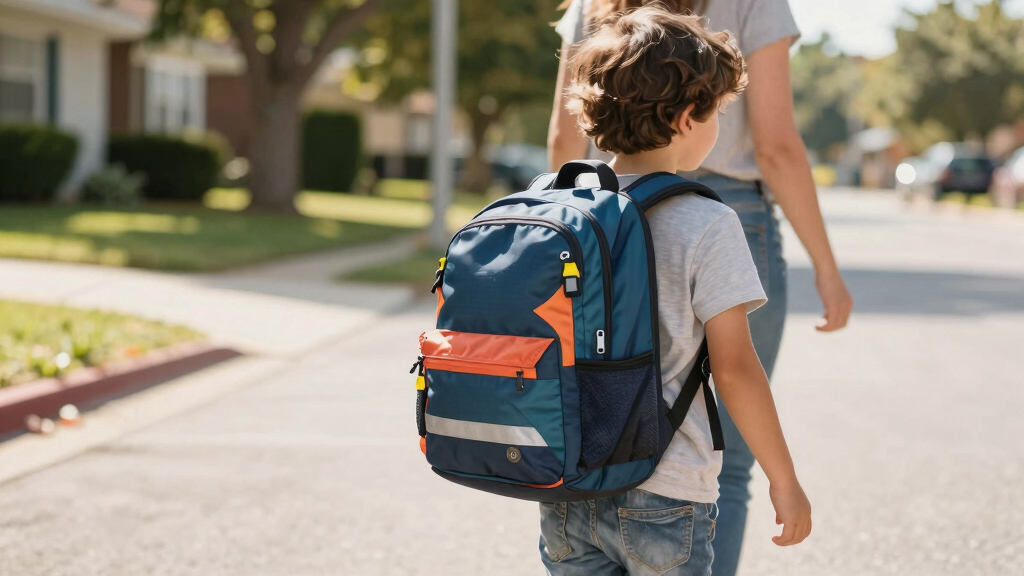

This guide provides clear steps to choose and fit an ergonomic backpack for kids, ensuring comfort and healthy posture. Suitable for parents, caregivers, and teachers, it covers how to identify features, select the right size, and properly adjust the backpack for your child’s needs.

Turn the school run and nap time into listening time
- Thousands of audiobooks, podcasts and originals
- Listen on your phone, tablet or Echo — also offline
- Cancel anytime

Kids Backpack with Laptop Compartment, 17 Inch, Camo Orange
- ✔ Dimensions: 17" H x 12" W x 6" D
- ✔ Laptop compartment: 15.6 inch padded sleeve
- ✔ Material: Water-resistant, tear-resistant polyester
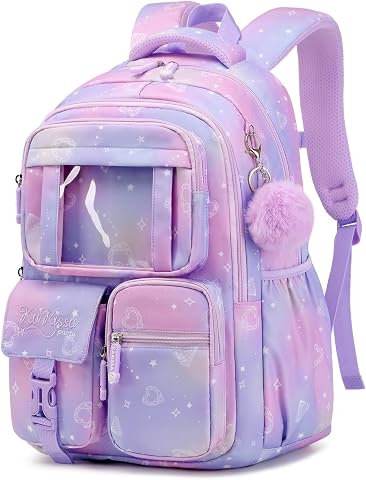
Pig Girl Kids Backpack for Girls – School Bags for Middle and Elementary School – Kawaii Ita Backpack – Purple
- ✔ Dimensions: 11.41 x 6.29 x 17.71 inches
- ✔ Weight: 1.76 lbs
- ✔ Capacity: 21.8 L
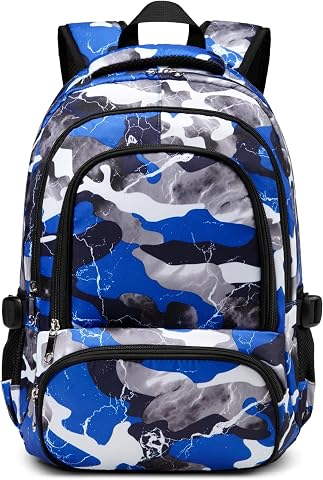
Kids Backpack for Boys, 17 Inch Camo Water-Resistant School Bag, Bluefairy
- ✔ Dimensions: 17" H x 12" W x 6" D
- ✔ Weight: 1.02 pounds
- ✔ Material: Water resistant fabric
Difficulty: Beginner | Time: 15-30 minutes
What You’ll Need
Tools & Materials:
- Measuring tape or ruler
- Mirror (for fitting checks)
- Possibly a scale to weigh the backpack
Knowledge:
- Basic understanding of children’s height and weight
- Familiarity with ergonomic features of backpacks
Gather your child’s current height and weight measurements to choose the correct backpack size. Have the backpack available for fitting adjustments after purchase.
Kids Backpack with Laptop Compartment, 17 Inch, Camo Orange
<p>This backpack stands out for its <strong>large capacity and multiple compartments</strong>, making it well-suited for kids who need to carry a variety of school supplies. Its padded laptop sleeve fits devices up to 15.6 inches, adding to its versatility. Compared to the other options, this pack is bulkier, which could be a drawback for younger children or those with smaller frames. Its durable, water-resistant polyester ensures longevity, but the size might be too overwhelming for early elementary students who prefer lighter, smaller packs.</p>
Pros:
- Large capacity with multiple compartments
- Durable, water-resistant material
- Comfortable adjustable padded shoulder straps
Cons:
- Size may be too large for younger children
- No specific weight info provided
- Limited color options
Best for: Older kids who need substantial storage and organizational space for school, travel, or extracurricular activities.
Not ideal for: Younger children or those seeking a lightweight, compact backpack.
Bottom line: A great choice for older kids needing ample space and organization, but may be too bulky for younger children.
“A great choice for older kids needing ample space and organization, but may be too bulky for younger children.”
Pig Girl Kids Backpack for Girls – School Bags for Middle and Elementary School – Kawaii Ita Backpack – Purple
<p>This **adorable and vibrant** backpack appeals to kids who love colorful, fun designs. It features a <strong>multiple compartments, including a laptop sleeve</strong>, and is made of water-resistant polyester, making it durable for daily use. Its padded straps and breathable back panel enhance comfort, but its size (11.4 x 6.3 x 17.7 inches) might be too large for very young children or those with smaller frames. Compared to the larger, more utilitarian options, this pick emphasizes style and comfort, possibly at the expense of maximum capacity.</p>
Pros:
- Vibrant, playful design that sparks imagination
- Multiple compartments including a laptop sleeve
- Comfortable, breathable padded straps
- Durable water-resistant fabric
Cons:
- May be too large for very small children
- Limited color options
Best for: Young girls who want a colorful, stylish backpack that is comfortable and practical for school and travel.
Not ideal for: Very young children or those needing a smaller, more minimal backpack.
Bottom line: A stylish, comfortable backpack ideal for school-aged girls who appreciate fun designs and organization.
“A stylish, comfortable backpack ideal for school-aged girls who appreciate fun designs and organization.”
Kids Backpack for Boys, 17 Inch Camo Water-Resistant School Bag, Bluefairy
<p>This backpack is ideal for children who need <strong>a lightweight, water-resistant option</strong>. Weighing just 1.02 pounds, it offers enough space with seven pockets—including a padded laptop sleeve, water bottle holders, and various zippered sections—making it suitable for elementary and middle school students. Compared to the larger, bulkier options, this pack excels in daily portability but might lack some aesthetic appeal for kids preferring more vibrant or trendy designs. Its basic camouflage and blue options focus on practicality over style.</p>
Pros:
- Lightweight and water-resistant for daily use
- Multiple compartments for organized storage
- Padded straps for comfortable carrying
Cons:
- Design may be too basic for some kids
- Limited color options
Best for: Children aged 4-12 who want a lightweight, durable backpack for everyday school use.
Not ideal for: Kids who prefer a more fashionable or highly stylish backpack; those needing a larger capacity for heavy loads.
Bottom line: A practical, lightweight backpack perfect for daily school routines, especially when portability is a priority.
“A practical, lightweight backpack perfect for daily school routines, especially when portability is a priority.”
As an Amazon Associate we earn from qualifying purchases.
Before You Start
Ensure your child is wearing comfortable clothing and shoes during fitting. Avoid shopping during peak fatigue times to get an accurate assessment of fit. Check the backpack’s weight capacity and features before starting.
Step-by-Step Instructions
Step 1: Measure your child’s torso length
Use a measuring tape to measure from the bony bump at the base of the neck (C7 vertebra) down to the top of the hip bones (iliac crest). Record this measurement.
Tip:Have your child stand straight and relaxed during measurement for accuracy.
Check: The measurement accurately reflects your child’s torso length, which guides backpack size selection.
Step 2: Select a backpack with adjustable straps and proper size
Choose a backpack whose torso length range matches your child’s measurement, and ensure it has adjustable shoulder straps, sternum strap, and padded hip belt.
Tip:Opt for backpacks with multiple adjustment points and padded straps for better fit and comfort.
Check: The backpack size fits your child’s torso without overextending or being too tight, and adjustable features allow for a snug fit.
Step 3: Load the backpack with typical items
Fill the backpack with books, supplies, and weight similar to what your child will carry regularly.
Tip:Keep the load within 10-15% of your child’s body weight to prevent strain.
Check: The loaded backpack feels manageable and doesn’t significantly alter your child’s posture or cause discomfort.
Step 4: Position the backpack correctly on your child’s back
Place the backpack so the bottom sits at the top of the hip bones, and the shoulder straps are snug but not tight. Adjust straps to ensure the pack stays close to the back.
Tip:Use a mirror or have your child stand naturally to check the placement and fit.
Check: The backpack sits evenly, with the bottom at the hips, and your child’s shoulders are relaxed with no sagging or excessive tightness.
Step 5: Adjust straps for a proper fit
Secure the shoulder straps so the backpack is snug against the back, allowing your child to move freely without the pack hanging low or riding up.
Tip:Use the sternum strap to stabilize the load and the hip belt to transfer weight to the hips, not shoulders.
Check: The backpack feels stable and comfortable, with no excessive pressure on shoulders or back, and your child can walk naturally without leaning forward or backward.
Common Mistakes to Avoid
- Choosing a backpack that is too large or too small for your child’s torso — Measure the torso length accurately and select a backpack that matches this measurement, avoiding guesswork.
- Overloading the backpack beyond recommended weight limits — Check the weight of the loaded pack and keep it within 10-15% of your child’s body weight.
- Not adjusting straps properly, leading to poor fit — Ensure all straps are snug and the pack sits evenly on the back, with no sagging or tight spots.
- Allowing the backpack to hang too low or sit too high — Position the pack so the bottom aligns with the top of the hips, not below or above this point.
Troubleshooting
Problem: Backpack slips off or rides too low
Solution: Tighten the shoulder and hip straps; check if the pack’s weight is within recommended limits.
Problem: Child complains of discomfort or pain
Solution: Recheck strap adjustments, load weight, and ensure the pack is the correct size for your child’s torso.
Problem: Straps dig into shoulders or cause chafing
Solution: Add padding or switch to wider, padded straps; ensure straps are not too tight.
Problem: Backpack shifts during walking
Solution: Verify strap adjustments and ensure the pack is positioned correctly at the hips and shoulders.
What Success Looks Like
The backpack fits snugly against your child’s back, with straps adjusted properly. It sits at the top of the hips, is comfortable during movement, and the weight is manageable without causing discomfort or poor posture.
Next Steps
Regularly check the fit as your child grows or if their load changes. Encourage proper packing habits, and periodically reassess the backpack fit at the start of each school year.
Frequently Asked Questions
How do I know if the backpack is too heavy?
It should weigh no more than 10-15% of your child’s body weight. Use a scale to weigh the loaded pack and compare.
How often should I check the fit of the backpack?
Reassess at the start of each school year and anytime your child’s backpack feels uncomfortable or appears to be sagging or riding too high.
Can a backpack with wheels be ergonomic for kids?
Wheeled backpacks reduce shoulder strain but should still be properly fitted; ensure they are lightweight and easy for your child to maneuver.
What features should I look for in an ergonomic backpack?
Look for adjustable straps, padded and supportive shoulder straps, a padded back panel, a sternum strap, and a hip belt for weight transfer.
Halloween Picks
halloween
As an affiliate, we earn on qualifying purchases.