TL;DR

Turn the school run and nap time into listening time
- Thousands of audiobooks, podcasts and originals
- Listen on your phone, tablet or Echo — also offline
- Cancel anytime
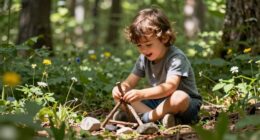
Children in a food desert are actively involved in a community gardening initiative, helping grow more than 30,000 pounds of fresh produce. This effort aims to improve local access to healthy foods and foster community engagement.
Children in a food desert are playing a key role in a community-led gardening initiative that has produced over 30,000 pounds of fresh produce. This project aims to address local food insecurity and promote healthy eating among residents, highlighting the impact of youth involvement in sustainable food efforts.
The community gardening project, launched two years ago in a neighborhood identified as a food desert, involves children and families cultivating vegetables, fruits, and herbs. According to project organizers, over 30,000 pounds of produce have been harvested so far, providing fresh food to local residents who previously lacked access to affordable, healthy options.
Children participate in various activities, including planting, watering, weeding, and harvesting, under the supervision of community volunteers and gardening experts. The initiative aims to teach kids about nutrition, environmental stewardship, and community service, while directly improving local food availability.
Community Impact of Youth-Driven Food Production
This project demonstrates the potential for youth involvement to significantly contribute to food security in underserved areas. By producing over 30,000 pounds of produce, it provides a tangible solution to food deserts and encourages community resilience. The initiative also fosters skills and awareness among children about healthy eating and environmental responsibility, which may have long-term benefits for public health and community cohesion.
As an affiliate, we earn on qualifying purchases.
Addressing Food Deserts Through Community Gardens
Food deserts are areas where residents have limited access to affordable, nutritious food, often due to a lack of grocery stores and transportation options. Community gardening projects have emerged as a strategy to mitigate these issues, especially in low-income neighborhoods. This particular project is part of a broader movement to empower residents, especially youth, to take active roles in improving local food systems.
Previous efforts in similar communities have shown positive outcomes, including increased fruit and vegetable consumption and strengthened community ties. The current project builds on these successes, emphasizing youth participation as a key component of sustainable food solutions.
“Thanks to the garden, my family can now access fresh vegetables that we couldn’t afford before. It’s a real blessing.”
— Local resident Maria Lopez
Uncertainties About Long-Term Sustainability and Expansion
It is not yet clear how sustainable the project will be over the long term without ongoing funding or support. Details about plans to expand or replicate this model in other food deserts remain under discussion, and the long-term impact on local food security has yet to be fully assessed.
Next Steps for Community Food Initiatives and Youth Engagement
Organizers plan to evaluate the project’s outcomes over the next year, including its impact on food security and youth development. There are also discussions about securing additional funding to expand the garden and replicate the model in other underserved neighborhoods. Community workshops and educational programs are scheduled to continue, aiming to sustain youth participation and community involvement.
Key Questions
How are children involved in the gardening project?
Children participate in planting, watering, weeding, and harvesting activities, often under supervision from volunteers and gardening experts. The project also includes educational sessions about nutrition and environmental stewardship.
What types of produce are grown in the garden?
The garden produces a variety of vegetables, fruits, and herbs, including tomatoes, peppers, greens, and strawberries, aimed at providing diverse, healthy options for local families.
How does this project help address food insecurity?
By producing over 30,000 pounds of fresh produce locally, the project supplies food directly to residents in the food desert, reducing reliance on external food sources and improving access to healthy foods.
Are there plans to expand this initiative?
While discussions are ongoing, organizers aim to evaluate the project’s success and seek additional funding to expand or replicate the model in other food-insecure neighborhoods.
What are the educational benefits for children involved?
Participants learn about healthy eating, environmental sustainability, teamwork, and community service, which can foster lifelong skills and awareness.
Source: rss
Halloween Picks
halloween
As an affiliate, we earn on qualifying purchases.