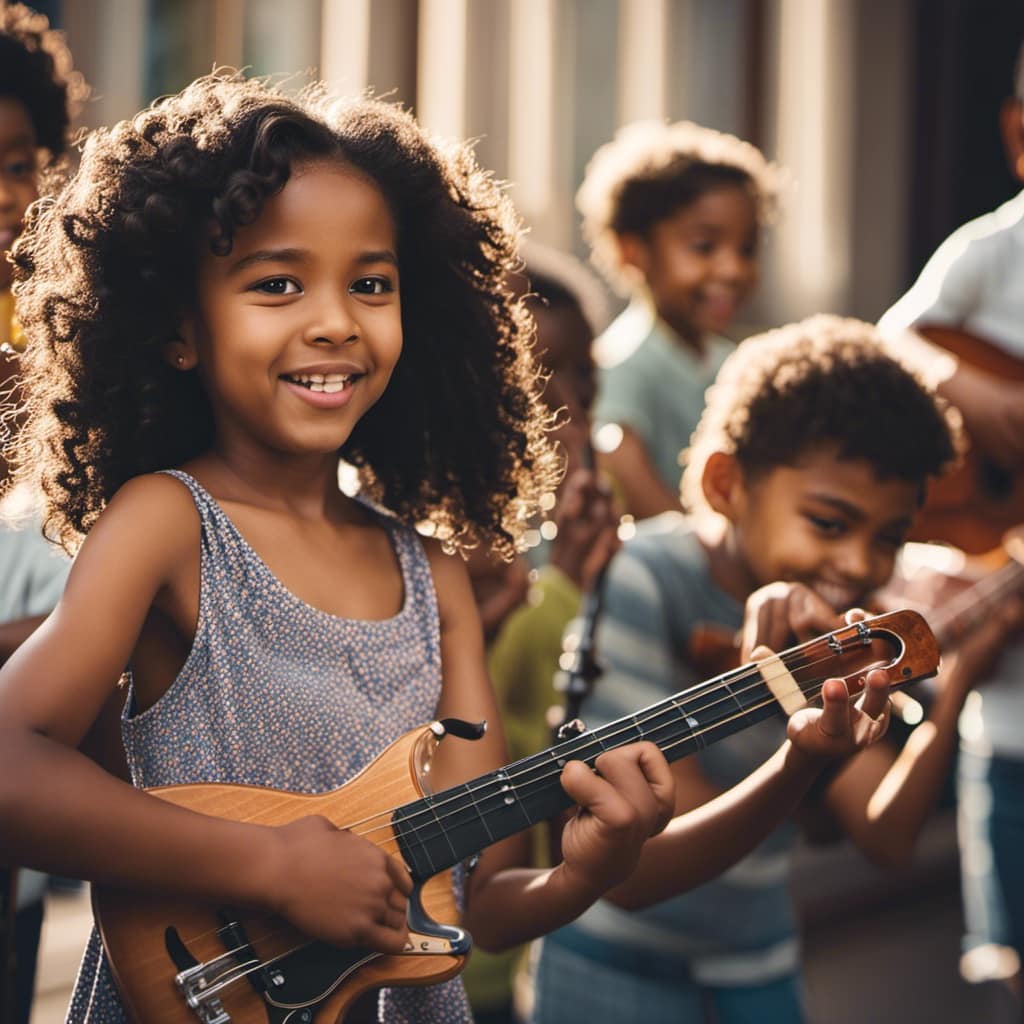
When you encourage children to practice grace and courtesy through play, you help them develop crucial social skills like respect, empathy, and effective communication. Play provides a safe space for kids to learn boundaries, share feelings, and resolve conflicts with kindness. As they navigate interactions, they build emotional awareness and social confidence that last a lifetime. Keep exploring how guided play can open these essential skills for your child’s growth.
Key Takeaways
- Play teaches children to respect others’ personal boundaries through testing and guidance, fostering trust and positive social interactions.
- Engaging in play develops communication skills like active listening, sharing ideas, and resolving conflicts respectfully.
- Recognizing and discussing emotions during play enhances empathy, emotional awareness, and social sensitivity.
- Respect for boundaries and emotional cues during play promotes courteous behavior and social grace.
- Guided play nurtures patience, kindness, and cooperation, supporting long-term social competence and courteous interactions.

Play is a powerful tool for developing social skills, especially in children. When you observe children playing, you’ll notice how they learn to navigate interactions, understand others’ needs, and develop empathy. Two essential aspects of this growth are understanding sharing boundaries and emotional awareness. As children engage with peers, they learn that respecting personal limits is fundamental for building trust and maintaining friendships. Sharing boundaries means recognizing when someone is comfortable or uncomfortable with certain interactions, whether it’s physical space, words, or actions. During play, children often test these boundaries, and it’s important for you to guide them gently. When a child accidentally crosses a boundary, you can teach them to recognize the cues and respond appropriately, fostering respect for others’ feelings and limits. This process helps children understand that their actions impact others and encourages them to consider others’ comfort levels.
Equally important is emotional awareness—an ability to recognize, understand, and manage their own feelings, as well as empathize with others. Play provides a safe environment where children can express emotions and learn to interpret the feelings of peers. When a child feels upset or frustrated, you can help them identify what they’re experiencing and suggest healthy ways to cope. Similarly, when children see their peers expressing happiness, disappointment, or anger, they develop empathy by understanding those emotions. Encouraging children to talk about how they feel during play helps them become more emotionally aware and better prepared to handle social situations. This emotional literacy is essential for developing patience, kindness, and cooperation.
Through play, you also teach children to listen actively and communicate effectively. When kids practice sharing ideas, negotiating rules, or resolving conflicts, they build essential social skills rooted in emotional awareness. They learn that understanding their own emotions and respecting others’ boundaries creates a foundation for positive interactions. As they grow, these skills become second nature, helping them navigate complex social environments with confidence. By consciously guiding children during play, you nurture their ability to set and respect boundaries and recognize emotions—skills that serve them well throughout life. Play isn’t just fun; it’s a fundamental process for learning social grace and courtesy, shaping well-rounded, emotionally intelligent individuals.
Frequently Asked Questions
How Can Parents Effectively Model Grace and Courtesy at Home?
You can effectively model grace and courtesy at home by demonstrating role modeling behaviors like polite greetings, sharing, and listening actively. Maintain consistent routines to reinforce respectful interactions and manners. When you show patience and kindness, your child learns through observation. Encourage them to practice these skills daily, praising their efforts. By embodying courteous behavior yourself, you set a strong example that they’ll naturally follow, fostering their social development.
What Are Common Challenges Children Face in Learning Social Skills?
You might notice children struggle with social skills due to peer rejection or difficulty with emotional regulation. They may feel anxious or unsure how to respond appropriately, leading to misunderstandings or isolation. These challenges make it harder for them to build friendships and navigate social situations confidently. Encouraging patience, empathy, and problem-solving helps children develop better emotional regulation and resilience, enabling them to handle peer rejection more effectively and improve their social interactions.
How Does Play Specifically Enhance Understanding of Social Cues?
Play gently guides you to grasp social cues by immersing you in real-life scenarios, where nonverbal communication and emotional recognition are subtle yet essential. Through role-playing and cooperative games, you become more attuned to facial expressions, gestures, and tone of voice. This hands-on approach helps you interpret others’ feelings and reactions naturally, making social interactions smoother and more meaningful as you develop empathy and understanding effortlessly.
Are There Age-Appropriate Activities to Teach Politeness?
Yes, there are age-appropriate activities that teach politeness through play-based learning. You can role-play polite greetings, sharing, and taking turns to help children develop manners naturally. Using puppets or dolls to act out social scenarios makes manners development engaging and relatable. These activities encourage kids to practice respectful behaviors in a fun way, making it easier for them to understand and remember social cues and polite interactions as they grow.
How Can Educators Assess a Child’s Progress in Social Skills?
Imagine you’re a social skills detective in the 21st century, tracking progress in peer interaction and emotional intelligence. You can assess a child’s growth by observing their participation in group activities, noting how they demonstrate empathy, sharing, and politeness. Use checklists or informal journals to document specific behaviors over time. Regularly engaging in conversations with the child about their feelings also helps you gauge emotional intelligence development and social competence.
Conclusion
By practicing grace and courtesy through play, you’re planting seeds for lifelong social skills. Just like a gentle breeze guides a leaf, your kindness and respect effortlessly shape positive interactions. When you approach others with courtesy, you create a ripple effect—turning simple moments into meaningful connections. Keep playing, keep learning, and watch how your social skills blossom into a beautiful garden of trust and understanding that lasts a lifetime.