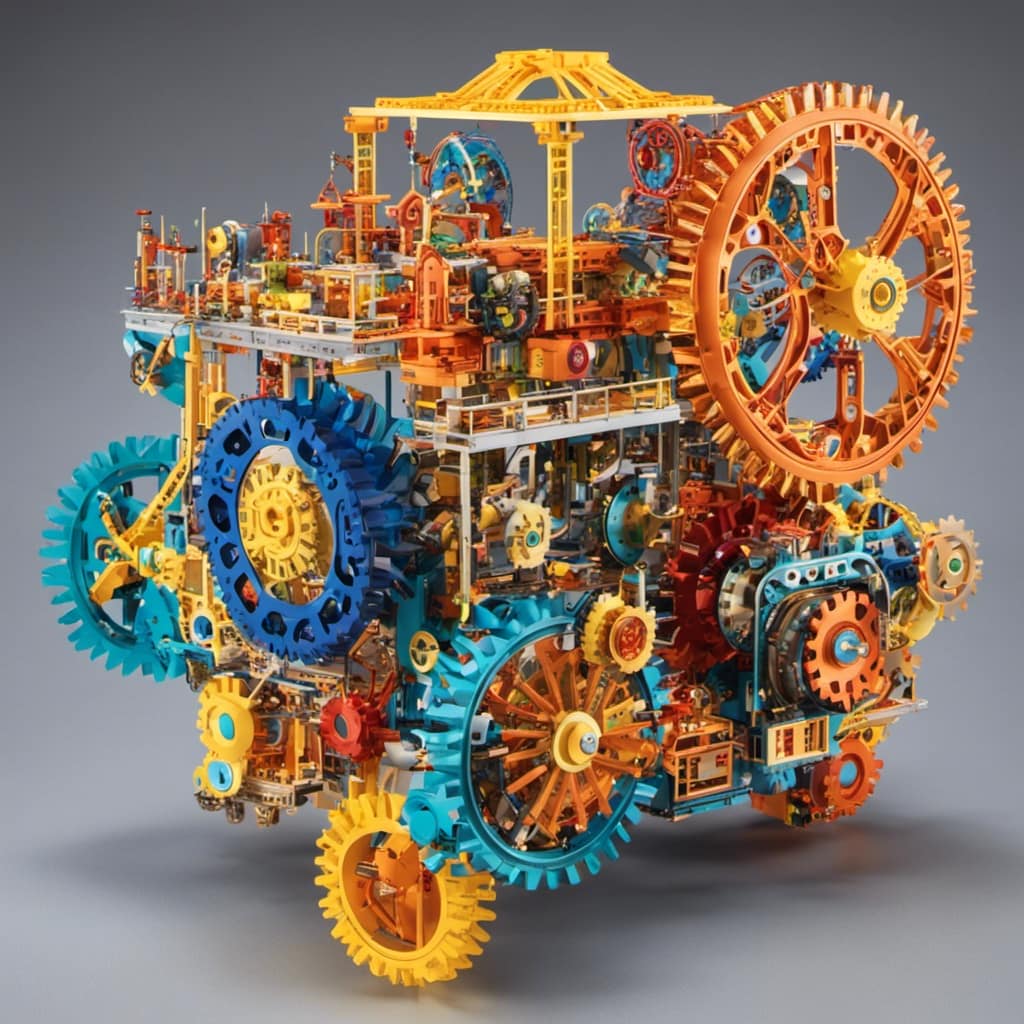
Creating gears and pulleys with recyclables is an eco-friendly way to explore simple machines. You can repurpose bottle caps as gears or use cardboard and plastic containers for pulley wheels. These materials help you understand how gears transmit motion and pulleys change force direction. By experimenting with different recyclable items, you can build engaging models that show mechanical principles or promote sustainability. Keep exploring to discover more creative ways to combine recycling and engineering.
Key Takeaways
- Recycled bottle caps can function as gears to transmit rotational motion in simple machine models.
- Cardboard discs can serve as pulleys to redirect force and demonstrate mechanical advantage.
- Using recycled materials encourages creative assembly of gears and pulleys, illustrating mechanical principles.
- Fasteners, glue, or rubber bands help connect recyclable parts to build functional gear and pulley systems.
- Incorporating recyclables highlights sustainability and environmental benefits of reusable materials in mechanical projects.

Using everyday recyclables to create gears and pulleys is a fun and eco-friendly way to explore simple machines. By repurposing common materials like bottle caps, cardboard, and plastic containers, you can turn trash into educational tools that demonstrate mechanical principles. This approach not only makes learning interactive and engaging but also highlights the importance of recycling and sustainability. When you understand the recycling process, you realize how it transforms waste into valuable resources, reducing the need for new raw materials. This process involves collecting, sorting, cleaning, and reprocessing materials so they can be reused in new products. Incorporating recycled materials into your projects directly contributes to minimizing waste and conserving natural resources, which benefits the environment.
Creating gears and pulleys from recyclables allows you to see firsthand how these simple machines work. For example, a bottle cap can become a gear, and a piece of cardboard can function as a pulley wheel. By attaching these components with fasteners or glue, you can assemble working models that demonstrate how gears transmit motion or how pulleys change the direction of force. This hands-on activity helps you grasp key mechanical concepts and see how they apply to real-world machines. Plus, it encourages creativity—you’re not limited to conventional materials; you can experiment with different recyclables to improve your designs or make new ones.
Using recycled materials also emphasizes the environmental impact of our choices. When you reuse items instead of discarding them, you’re reducing the amount of waste sent to landfills, which in turn lowers methane emissions and other pollutants. Additionally, you decrease the demand for new manufacturing, which often involves energy-intensive processes that contribute to greenhouse gas emissions. By choosing to build gears and pulleys with recyclables, you’re actively participating in a cycle that promotes sustainability and reduces your carbon footprint. This awareness can influence your broader habits, inspiring you to seek eco-friendly alternatives in other areas of life.
Frequently Asked Questions
Can All Recyclables Be Used to Make Gears and Pulleys?
Not all recyclables can be used to make gears and pulleys. You need materials with plastic durability and material flexibility, like certain recycled plastics. Some recyclables, such as metal or paper, aren’t suitable because they lack the necessary properties. When choosing recyclables, focus on those that can withstand stress and maintain shape, ensuring your gears and pulleys work effectively and last longer.
How Durable Are Recyclables When Used in Mechanical Devices?
Recyclables can be quite durable when used in mechanical devices, but they’re susceptible to material fatigue over time, especially with repeated use. Their performance depends on the material type and how well you maintain them. Using recycled materials reduces environmental impact, but you should regularly check for wear and tear. Proper design and treatment can extend their lifespan, making them a sustainable choice for mechanical components.
What Safety Precautions Are Needed When Working With Recycled Gears?
When working with recycled gears, you should always wear protective gear like gloves and safety glasses for safe handling. Make sure to inspect the gears for sharp edges or damage before use. Keep your workspace clean and organized to prevent accidents. Use tools carefully, and avoid rushing. By following these safety precautions, you minimize risks and guarantee a safe, effective working environment with recycled gears.
Are Recycled Gears and Pulleys Suitable for High-Stress Applications?
Like forging steel in a blacksmith’s fire, recycled gears and pulleys can handle high-stress applications if they undergo proper testing and reinforcement. During the recycling process, materials are often strengthened, but their suitability hinges on original quality and processing. While choosing recycled parts reduces environmental impact, always assess their durability for demanding tasks to ensure safety and reliability, just as you’d trust a well-forged blade.
How Do Recycled Materials Compare in Cost to New Manufacturing?
Recycled materials generally cost less than new manufacturing, giving you a favorable cost comparison. You’ll also find that using recyclables reduces environmental impact, making your project more sustainable. While recycled gears and pulleys might have some limitations in high-stress applications, they’re a smart choice if you want to balance budget and eco-friendliness. Ultimately, recycling can lower costs and promote environmental responsibility in your manufacturing process.
Conclusion
Now that you’ve explored gears and pulleys made from recyclables, imagine the possibilities when you repurpose everyday materials. Isn’t it exciting to think you can turn trash into a working machine? By using your creativity and recycling, you not only build something cool but also help the planet. So next time you see recyclables, ask yourself—what amazing invention could you create? The power to make a difference is in your hands!