Transform your outdoor space into a vibrant, nature-rich routine by creating engaging activities that connect children with their environment. Turn your yard into a safe, fun classroom where they can explore, gather natural materials, and make creative crafts like leaf rubbings or painted rocks. Incorporate safety measures such as protective gear and supervision to guarantee a secure experience. By integrating these practices, you foster independence and environmental awareness—discover more ideas to enrich your outdoor learning journey.

Turn the school run and nap time into listening time
- Thousands of audiobooks, podcasts and originals
- Listen on your phone, tablet or Echo — also offline
- Cancel anytime
Key Takeaways
- Create outdoor learning spaces using natural materials and safe zones for engaging, nature-based activities at home.
- Incorporate regular nature crafts like leaf rubbings and pressed flowers to foster creativity and environmental awareness.
- Establish safety routines, including supervision, protective gear, and boundary setting, to ensure secure outdoor exploration.
- Involve children in gathering materials and respecting nature to teach responsibility and sustainable habits.
- Integrate outdoor safety practices into daily routines, promoting independence and confidence during outdoor learning.
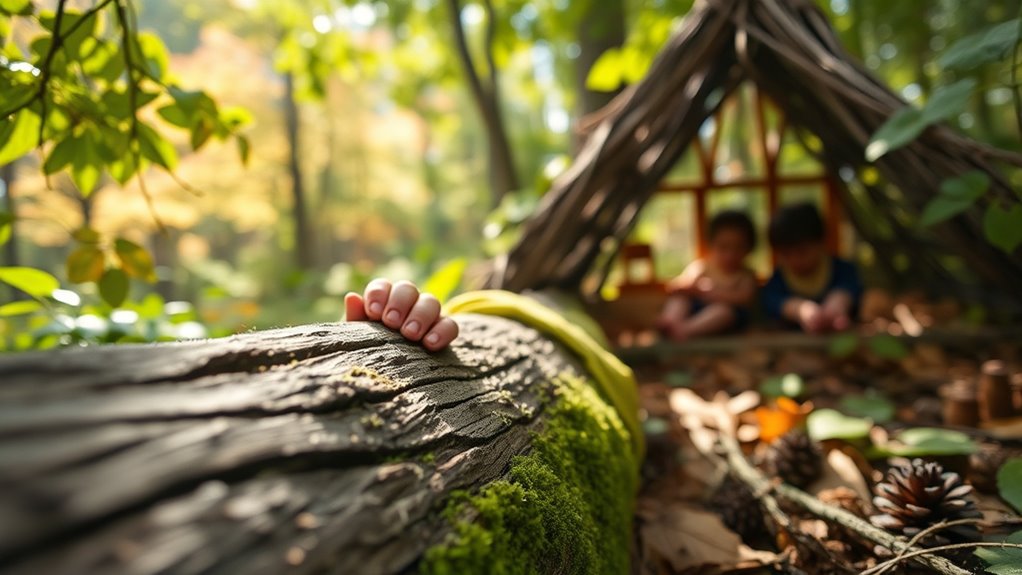
Creating a forest school experience at home might seem challenging, but with a little planning, you can turn your backyard or nearby nature spot into an outdoor classroom. The key is to bring the learning outside, making it fun, safe, and engaging. One great way to do this is by incorporating nature crafts into your routine. Nature crafts allow you and your children to connect with the environment while developing creativity and fine motor skills. Collect fallen leaves, twigs, flowers, and rocks during walks or play sessions. Use these natural materials to create art projects such as leaf rubbings, pressed flower bookmarks, or painted rocks. These activities deepen your child’s appreciation for nature and encourage sustainable habits. As you plan these crafts, always keep outdoor safety in mind. Make sure your craft area is free from sharp objects, poisonous plants, or anything that could pose a risk. Supervise your children closely, especially when handling tools like scissors or hot glue guns, and teach them how to use these safely. Establish clear boundaries for your outdoor space, so they understand which areas are safe to explore and which are off-limits. This helps foster independence while maintaining safety.
You can also create a routine that includes outdoor safety measures, like wearing hats, sunscreen, and appropriate footwear, to protect against the sun and minor injuries. Keep a first aid kit nearby and review basic first aid procedures with your kids, so they know what to do if needed. When doing nature crafts, involve your children in choosing and gathering materials, teaching them to respect the environment by not damaging plants or disturbing wildlife. This instills a sense of responsibility and awareness. Incorporating proper outdoor equipment such as gloves, hats, and protective clothing can enhance safety and comfort during these activities. Incorporate simple safety rules, such as staying within sight, avoiding certain plants, and being cautious around water or uneven ground. Making safety a part of your daily outdoor routine ensures that your children feel secure and confident exploring nature.
As an affiliate, we earn on qualifying purchases.
Frequently Asked Questions
How Can I Adapt Forest School Activities for Urban Environments?
You can adapt forest school activities for urban environments by exploring city nature and urban wilderness areas like parks, gardens, or even alleyways. Use natural elements such as leaves, stones, and soil for hands-on activities. Incorporate scavenger hunts, nature journaling, and storytelling to connect kids with their surroundings. These approaches encourage curiosity, foster outdoor skills, and help children experience the benefits of nature, even in a city setting.
What Safety Precautions Are Essential for Outdoor Home Activities?
Imagine you’re a knight preparing for a quest—safety’s your armor. You should supervise wildlife observation closely, ensuring kids keep a safe distance and avoid disturbing animals. Always check tools for safety, like scissors or knives, before use. Keep a first aid kit nearby for minor injuries, and set clear boundaries to prevent wandering into unsafe areas. With these precautions, your outdoor adventures stay fun and safe for everyone involved.
How Do I Encourage Children’s Independence During Outdoor Routines?
You can encourage children’s independence during outdoor routines by giving them age-appropriate responsibilities, which builds confidence and fosters decision-making. Let them choose activities or explore different areas, offering guidance without micromanaging. Encourage problem-solving and praise their efforts to boost their self-esteem. Provide safe opportunities for them to make choices, helping them feel capable and confident in their ability to navigate outdoor environments independently.
What Age-Specific Outdoor Activities Are Most Effective?
You’ll find that age-specific outdoor activities like nature exploration for older kids and sensory play for preschoolers are most effective. Research shows children learn best when engaged in hands-on experiences tailored to their developmental stage. For example, toddlers enjoy simple sensory bins, while older children thrive with scavenger hunts and plant identification. These activities boost curiosity, independence, and sensory awareness, making outdoor time both fun and educational.
How Can I Incorporate Seasonal Changes Into Nature-Rich Routines?
You can incorporate seasonal changes into your routines by encouraging seasonal observation, where you and your child notice differences in plants, weather, and animal activity. Use these insights to inspire nature-inspired crafts, like leaf collages in fall or snowflake art in winter. Regularly adapting activities to reflect the season helps your child connect deeply with nature’s cycles, fostering curiosity and appreciation for the environment throughout the year.
Conclusion
You might think creating a forest school at home is overwhelming, but it’s simpler than you think. Even small outdoor moments—like mud pies or leaf hunts—can make a big difference. Don’t worry about perfect setups; kids thrive on natural exploration and your enthusiasm. By embracing these routines, you’ll foster curiosity, resilience, and a love for nature—right outside your door. So go ahead, turn your yard into a magical learning adventure!
Halloween Picks
halloween
As an affiliate, we earn on qualifying purchases.