When you offer bigger toys, setting clear boundaries and routines is essential for safety and effective play. Boundaries help your child understand limits and prevent accidents, while routines promote emotional regulation and patience. These structures also make shifts smoother and reduce frustration. Supervision and consistent rules ensure safe experiences and help your child develop self-control. Keep exploring to discover how establishing routines and boundaries can make playtime safer and more beneficial for your child’s growth.

Get baby and family essentials delivered free — and shop member deals
- Fast, free delivery on millions of items
- Access to Prime Big Deal Days deals on October 6–7
- Prime Video, Amazon Music and more included
Key Takeaways
- Larger toys require clear boundaries to prevent accidents and ensure safe play environments.
- Establishing routines around big toys helps children manage emotions and develop patience.
- Supervision and rules are essential to avoid hazards and promote safe use of bigger toys.
- Consistent routines create predictability, reducing frustration and supporting emotional regulation during play.
- Incorporating eco-friendly practices with large toys educates children on safety and environmental responsibility.

Have you ever wondered how introducing bigger toys into your child’s play can impact their sense of boundaries and routines? When your child starts playing with larger items, it’s not just about size; it’s about how they learn to manage their emotions and understand limits. Bigger toys can be exciting and engaging, but they also present unique challenges, especially around emotional regulation and safety concerns. As a parent, you need to set clear boundaries and routines to help your child navigate these new play experiences successfully.
Introducing larger toys helps children learn boundaries, manage emotions, and develop safety awareness through routines and clear guidance.
Larger toys often encourage more physical activity and can be overwhelming if your child isn’t used to them. This can lead to frustration or even tantrums if your child feels out of control. That’s why establishing routines becomes crucial. When you create consistent rules around when and how they can play with these toys, your child begins to understand expectations. For example, setting a specific time for playing with big toys helps them anticipate and prepare for play, which supports their emotional regulation. They learn to wait their turn and manage feelings of impatience or disappointment, fostering patience and self-control over time.
Safety concerns are another significant reason to enforce boundaries with bigger toys. Larger items can pose hazards, especially if they’re used improperly or in unsafe environments. As a parent, you must supervise play carefully and set boundaries that keep your child safe. Clear rules about how and where they can play with these toys prevent accidents. For instance, you might designate a specific play area where big toys are allowed and ensure that the space is free from hazards like sharp furniture or clutter. Explaining these boundaries calmly and consistently helps your child internalize safety rules, reducing the risk of injury. Additionally, understanding the importance of biodiversity and conservation can be part of teaching children about respecting the environment during play, such as choosing eco-friendly toys or creating safe outdoor spaces. Incorporating environmentally conscious choices into routines can further reinforce the importance of respecting nature and sustainability during playtime.
Furthermore, incorporating routines around bigger toys can help your child develop better emotional regulation skills. When they know what to expect, they’re less likely to become overwhelmed. Consistent routines teach them to transition smoothly from one activity to another, minimizing feelings of frustration or anxiety. Using verbal cues or visual schedules before playtime can prepare your child mentally, making the experience more positive and controlled. Recognizing the benefits of structured routines can also promote healthier play habits and foster independence.
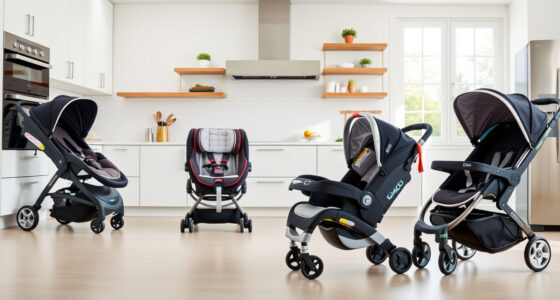
large toy safety boundaries for kids
As an affiliate, we earn on qualifying purchases.
As an affiliate, we earn on qualifying purchases.
Frequently Asked Questions
How Do I Set Boundaries for an Only Child With Bigger Toys?
To set boundaries for your only child’s bigger toys, start with clear rules about toy storage and designated play areas. Use shelves or bins to keep toys organized and accessible, teaching responsibility. Implement consistent play scheduling, so your child learns when it’s appropriate to play with big toys and when to clean up. This structure helps your child understand limits, encourages responsibility, and creates a balanced routine around their toys.
What Are Signs My Child Is Overwhelmed by Their Larger Toys?
If your child seems stressed or sidetracked, they might be overwhelmed by their larger toys. Signs include sulking, tantrums, or a sudden shutdown. Pay attention to their emotional responses and observe if they’re struggling with toy organization, which can cause frustration. When toys become too big or chaotic, your child may feel trapped or tense. Recognizing these signals helps you create calm, controlled routines and restore their sense of security.
How Can I Teach Responsibility With Bigger, More Expensive Toys?
You can teach responsibility with bigger, more expensive toys by establishing clear rules for toy maintenance and sharing strategies. Show your child how to care for their toys, like cleaning or storing them properly, and encourage them to share with siblings or friends. Reinforce positive behavior by praising their efforts, and set consistent routines for playtime and cleanup. This helps them understand ownership, responsibility, and the importance of respecting their belongings.
What Safety Measures Are Essential for Bigger, More Complex Toys?
Think of big toys as precious treasures that need a fortress of safety. You must secure them with proper toy storage, ensuring they’re out of reach when not in use. Implement safety precautions like checking for sharp edges, sturdy parts, and age-appropriate labels. Regularly inspect the toys for wear and tear, and teach your child safe handling. These steps protect your investment and keep playtime fun and risk-free.
How Do Routines Change as My Child Grows and Outgrows Toys?
As your child grows, routines around toy storage and playtime become more flexible. You’ll find yourself adjusting boundaries to accommodate new interests and bigger toys. Incorporate routines that encourage organization, like dedicated storage spaces, while staying adaptable to their changing needs. This helps your child develop independence and responsibility, all while ensuring play remains safe and manageable. Flexibility keeps routines effective and fun as they evolve.
Conclusion
As your child’s toys grow bigger, so should your boundaries and routines. Imagine setting a clear play area where they know their limits—much like a parent who creates a designated corner for their child’s building blocks, preventing chaos in the living room. These boundaries give your child a sense of security and teach responsibility. Remember, consistent routines help them understand expectations, making playtime fun and safe for everyone involved.
Cold & flu season Picks
humidifiers
As an affiliate, we earn on qualifying purchases.