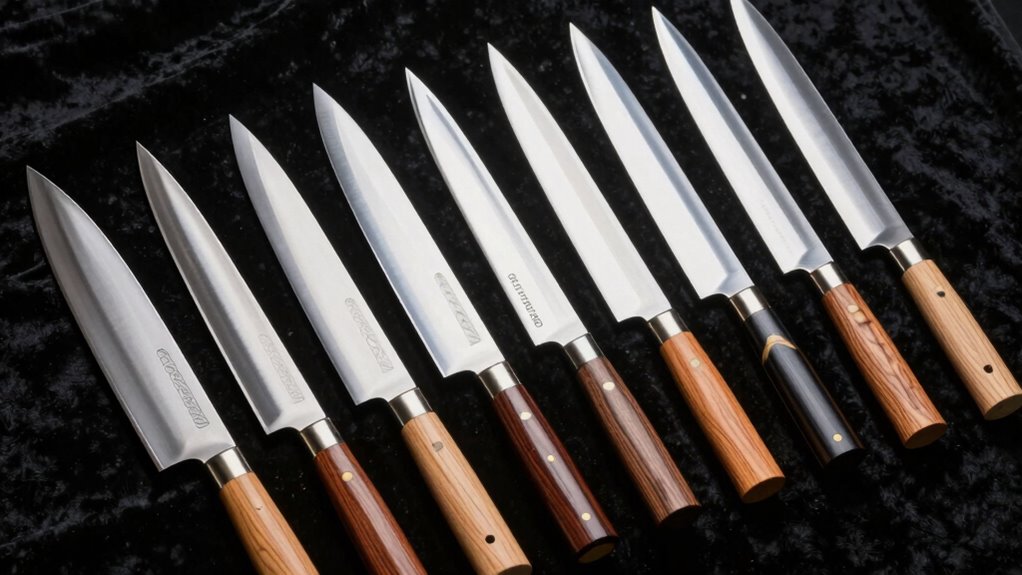

Traditional Japanese knives are renowned for their exceptional craftsmanship, razor-sharp edges, and unique blade geometries. The best picks, like the MITSUMOTO SAKARI Kiritsuke, stand out for their versatility and high-quality steel, making them ideal for precise slicing and multi-purpose use. Meanwhile, specialized options such as the Sakai Takayuki Deba excel in fish filleting, but often come with a higher maintenance requirement. Buyers in this category face tradeoffs between traditional craftsmanship, ease of use, and price. Continue reading for a detailed breakdown of the best options and what makes each one unique.

Get baby and family essentials delivered free — and shop member deals
- Fast, free delivery on millions of items
- Access to Prime Big Deal Days deals on October 6–7
- Prime Video, Amazon Music and more included
Complete the kit


Key Takeaways
- The best traditional Japanese knives balance sharpness, edge retention, and ease of sharpening, with many favoring high-carbon steels.
- Versatility varies widely; some knives excel at specific tasks like fish filleting or vegetable prep, while others serve as all-rounders.
- The choice of handle material and knife weight significantly impacts comfort and control, especially for extended use.
- Price points range from accessible entry-level options to premium handcrafted pieces, reflecting differences in craftsmanship and materials.
- Maintenance needs differ: high-carbon steel knives require more regular honing and careful storage to prevent rust.
| MITSUMOTO SAKARI 9-Inch Japanese Kiritsuke Knife, 3-layer 9Cr18MoV Steel |  | Best Overall for Versatile Precision | Blade Length: 9 inches | Steel Type: 9Cr18MoV high carbon stainless steel | Construction: 3-layer San-Mai hand-forged | VIEW ON AMAZON | See Our Full Breakdown |
| Sakai Takayuki Japanese Deba Knife 165mm Yasuki White Steel |  | Best for Fish Filleting and Precision Tasks | Model Number: 06036 | Blade Length: 165mm | Steel Type: Yasuki White Steel | VIEW ON AMAZON | See Our Full Breakdown |
| 10” Sashimi Sushi Knife – Ultra Sharp Traditional Japanese Sushi Knife for Sashimi, Fish Filleting & Precision Slicing – Premium Stainless Steel Blade, Pakkawood Handle & Gift Box |  | Best for Professional Sashimi and Sushi Preparation | Blade Length: 10 inches | Blade Material: Premium stainless steel | Handle Material: Pakkawood | VIEW ON AMAZON | See Our Full Breakdown |
| HOSHANHO 8-inch Japanese High Carbon Steel Chef’s Knife |  | Best for Versatile Kitchen Use & Everyday Chopping | Blade Length: 8 inches | Material: Japanese high carbon steel 10Cr15CoMoV | Hardness: 60 HRC | VIEW ON AMAZON | See Our Full Breakdown |
| Kai Wasabi Black Yanagiba Knife, 8 1/4-Inch |  | Best for Precise Sashimi and Sushi Slicing | Blade Length: 8 1/4 inches | Material: High-carbon stainless steel | Handle Material: Polypropylene with bamboo powder | VIEW ON AMAZON | See Our Full Breakdown |
| Traditional Japanese Professional Santoku Kitchen Chef Knife – 7-inch High Carbon Stainless Steel, Ultra Sharp, Double Bevel Edge |  | Best Overall for Versatility and Balance | Blade Material: 420HC German steel | Blade Length: 7 inches | Edge Angle: 15° per side (30° total) | VIEW ON AMAZON | See Our Full Breakdown |
| MITSUMOTO SAKARI 4-Piece Japanese Chef Knife Set, San-Mai 9Cr18MoV |  | Best Value for a Complete Versatile Set | Number of knives: 4 | Blade material: 9Cr18MoV high carbon stainless steel | Blade construction: San-Mai, deep-cryo treated | VIEW ON AMAZON | See Our Full Breakdown |
| Japanese Chef Knife Set 3 Pcs, Damascus Kitchen Knives with VG10 Steel Core and Ocean-Blue Handles |  | Best for Style and Premium Performance | Number of Pieces: 3 | Steel Core: VG10 | Layer Count: 67 layers | VIEW ON AMAZON | See Our Full Breakdown |
| Japanese Kitchen Knife Set of 5 (Wooden Box Case) by Mr. Takaaki Nakamura |  | Best for Complete Traditional Collection | Number of Items: 5 | Model Number: NK-8602 | Material: Stainless steel | VIEW ON AMAZON | See Our Full Breakdown |
| Imarku Nakiri Knife 7 Inch, Razor Sharp Japanese Kitchen Chef Knife |  | Best for Precision Vegetable and Meat Slicing | Blade Length: 7 inches | Blade Material: High-carbon stainless steel | Edge Angle: 15° | VIEW ON AMAZON | See Our Full Breakdown |
| Traditional Japanese Professional Gyuto Kitchen Chefs Knife – 8-inch High Carbon Stainless Steel Sushi Knife with Single Bevel Edge |  | Best for Precision and Professional Use | Blade Edge: Single Bevel | Blade Material: 420HC stainless steel | Blade Length: 8 inches | VIEW ON AMAZON | See Our Full Breakdown |
| KAI Seki Magoroku Watakake Nakiri Knife 165mm – Made in Japan |  | Best for Vegetable Preparation | Blade Length: 165mm | Country of Origin: Japan | VIEW ON AMAZON | See Our Full Breakdown | |
| Traditional Japanese Professional Kitchen Chef Knife Set – Gyuto, Santoku, Nakiri, Petty |  | Best for Versatility and Complete Kitchen Prep | Blade Material: 420HC stainless steel | Handle Material: Rosewood | Number of Pieces: 4 | VIEW ON AMAZON | See Our Full Breakdown |
| 8-inch Japanese Gyuto Chef Knife – Hand Forged Stainless Steel Kitchen Knife with Wooden Handle |  | Best for Handcrafted Quality and Traditional Techniques | Blade Length: 8 inches | Material: High-quality stainless steel | Manufacturing Technique: Hand forged | VIEW ON AMAZON | See Our Full Breakdown |
| traditional japanese knife | Handle Material | Blade Length |
|---|---|---|
| MITSUMOTO SAKARI 9-Inch Japane | Rosewood | 9 inches |
| Sakai Takayuki Japanese Deba K | Natural wood with resin | 165mm |
| 10” Sashimi Sushi Knife | Pakkawood | 10 inches |
| HOSHANHO 8-inch Japanese High | Wood | 8 inches |
| Kai Wasabi Black Yanagiba Knif | Polypropylene with bamboo powder | 8 1/4 inches |
| Traditional Japanese Professio | Rosewood | 7 inches |
| MITSUMOTO SAKARI 4-Piece Japan | Rosewood | — |
| Japanese Chef Knife Set 3 Pcs | Ocean-blue resin | — |
| Japanese Kitchen Knife Set of | — | — |
| Imarku Nakiri Knife 7 Inch | Pakkawood | 7 inches |
| Traditional Japanese Professio | Rosewood | 8 inches |
| KAI Seki Magoroku Watakake Nak | — | 165mm |
| Traditional Japanese Professio | Rosewood | — |
| 8-inch Japanese Gyuto Chef Kni | Wood and resin | 8 inches |
More Details on Our Top Picks
MITSUMOTO SAKARI 9-Inch Japanese Kiritsuke Knife, 3-layer 9Cr18MoV Steel
This kiritsuke stands out for its elegant craftsmanship and exceptional control, making it a versatile choice for home chefs who want to master both slicing vegetables and delicate proteins. Compared with the Sakai Takayuki Deba, it offers a broader cutting surface and more refined control, though it involves a higher price and requires careful handling to preserve its textured finish. The deep cryo-treated blade ensures a sharp, stable edge, while the octagonal rosewood handle adds aesthetic appeal. Its 3-layer San-Mai construction and kurouchi finish combine durability with traditional beauty, yet the textured surface demands gentle use to prevent damage. This pick makes the most sense for serious cooks seeking a multifunctional Japanese knife with a refined look and feel.
Pros:- High-quality hand-forged steel with durable kurouchi finish
- Excellent control with angled tip and flat edge design
- Elegant octagonal rosewood handle and presentation box
Cons:- Premium price may be prohibitive for budget-conscious buyers
- Handle requires maintenance to retain its appearance
- Requires careful handling to avoid damaging textured surface
Best for: Advanced home cooks and hobbyist chefs who value artistry and precision in vegetable, herb, and boneless protein prep.
Not ideal for: Casual users or those seeking an affordable, low-maintenance option due to its premium price and delicate surface.
- Blade Length:9 inches
- Steel Type:9Cr18MoV high carbon stainless steel
- Construction:3-layer San-Mai hand-forged
- Finish:Tsuchime hammered with kurouchi black
- Hardness:HRC 60±2
- Handle Material:Rosewood
Our verdict“This knife is ideal for experienced cooks who appreciate craftsmanship and versatile performance in a single elegant tool.”
Sakai Takayuki Japanese Deba Knife 165mm Yasuki White Steel
This deba excels at fish-specific tasks, offering razor-sharp Yasuki white steel that delivers clean, precise cuts. It compares favorably to the HOSHANHO chef’s knife when it comes to targeted fish preparation, but its limited scope means it’s less versatile for general kitchen duties. The natural wood handle adds a traditional touch, and the blade’s high-quality steel ensures durability with proper care. However, it demands careful maintenance to prevent rust, and its 165mm length makes it less suitable for larger fish or multi-purpose use. This knife makes the most sense for dedicated fish fillet work or sushi chefs focusing on seafood prep.
Pros:- High-quality Yasuki white steel for exceptional sharpness
- Durable, well-crafted handle with traditional appeal
- Perfect for precise fish filleting and sashimi slicing
Cons:- Requires careful maintenance to prevent rust
- Limited to fish and seafood tasks, not suitable for general chopping
Best for: Sashimi chefs, seafood enthusiasts, and home cooks who primarily prepare fish and need precise, delicate cuts.
Not ideal for: Users seeking a multipurpose kitchen knife, as its narrow focus limits versatility and requires delicate handling.
- Model Number:06036
- Blade Length:165mm
- Steel Type:Yasuki White Steel
- Handle Material:Natural wood with resin
- Knife Type:Deba
Our verdict“This knife is designed for seafood-focused cooks who prioritize precision and sharpness in fish preparation.”
This sashimi knife offers an ultra-sharp edge and traditional design, making it a top pick for professionals and serious home chefs alike. Its 10-inch premium stainless steel blade provides a longer, more flexible cut for delicate sashimi and fish filleting, surpassing shorter or less specialized blades like the Kai Wasabi Black Yanagiba in length and precision. The ergonomic pakkawood handle ensures comfort during extended use, while the included gift box makes it ideal for gifting or display. However, its premium price and single-sided sharpening requirement mean it’s less suited for casual cooks or those who prefer a more forgiving, multi-purpose knife. It’s best for dedicated sushi chefs or enthusiasts who want a true traditional tool.
Pros:- Extremely sharp, ultra-thin slicing edge
- Traditional Japanese Yanagiba style design
- Durable stainless steel with ergonomic handle
Cons:- Requires careful sharpening to maintain edge
- Single-sided honing may be challenging for some users
- Premium price point limits accessibility
Best for: Professional sushi chefs or home cooks dedicated to perfecting sashimi and fish slicing techniques.
Not ideal for: Casual cooks or those needing a versatile, all-purpose kitchen knife, given its specialty design and premium price.
- Blade Length:10 inches
- Blade Material:Premium stainless steel
- Handle Material:Pakkawood
- Design:Traditional Japanese Yanagiba
- Included:Gift box
Our verdict“This knife is perfect for those committed to authentic sashimi and fish presentation, willing to invest in a specialized tool.”
HOSHANHO 8-inch Japanese High Carbon Steel Chef’s Knife
This gyuto-style chef’s knife offers a well-balanced blend of sharpness and durability with its Japanese 10Cr15CoMoV high carbon steel. Compared with more delicate specialty knives like the Sakai Takayuki Deba, it provides broader utility for slicing, dicing, and chopping various ingredients. Its 8-inch length is ideal for most kitchen tasks, and the matte finish adds a sleek aesthetic. The ergonomic wooden handle ensures comfortable grip, but it may require regular maintenance to prevent wear or damage. While it doesn’t have the ornate or traditional appearance of higher-end knives, it excels in everyday kitchen performance for those who want a reliable, all-rounder Japanese knife. However, it’s less suitable for detailed fish work or ultra-fine slicing due to its generalist design.
Pros:- Excellent sharpness and durability from Japanese high carbon steel
- Ergonomic handle for comfortable, safe grip
- Stylish matte finish enhances aesthetic appeal
Cons:- Wooden handle may need regular maintenance
- Less specialized for seafood or ultra-thin slicing tasks
Best for: Home cooks and chefs seeking a versatile, durable Japanese-style chef’s knife for daily use.
Not ideal for: Cooks who focus exclusively on seafood or require specialized knives, as its design favors broad versatility over fine detail work.
- Blade Length:8 inches
- Material:Japanese high carbon steel 10Cr15CoMoV
- Hardness:60 HRC
- Handle Material:Wood
- Blade Finish:Matte
Our verdict“This knife suits daily kitchen needs with a balance of performance, durability, and traditional style for casual and home professionals alike.”
Kai Wasabi Black Yanagiba Knife, 8 1/4-Inch
The Kai Wasabi Black Yanagiba is a dependable choice for sushi and sashimi enthusiasts who prioritize clean, ultra-thin slices. Its 8 1/4-inch high-carbon stainless steel blade provides excellent edge retention and sharpness, comparable to the Sashimi Sushi Knife, but with a slightly shorter length that offers more control for smaller cuts. The polypropylene handle with bamboo powder ensures comfort and slip resistance, suitable for long prep sessions. Its high-quality steel and traditional design make it a favorite among professionals and home sushi chefs, but the single-sided sharpening and premium price may deter casual users or those unfamiliar with honing techniques. Ideal for dedicated sashimi makers or those seeking a reliable, traditional Japanese slicing tool.
Pros:- Excellent edge retention and sharpness
- Traditional Japanese Yanagiba design
- Comfortable polypropylene handle with bamboo powder
Cons:- Single-sided sharpening may require specialized honing
- Blade length may be limiting for larger fish or multi-cut tasks
- Premium price may be a barrier for some buyers
Best for: Sushi chefs and sashimi enthusiasts who need precise, fine cuts and reliable edge retention.
Not ideal for: Casual cooks or those needing a multi-purpose kitchen knife, due to its specialized design and sharpening requirements.
- Blade Length:8 1/4 inches
- Material:High-carbon stainless steel
- Handle Material:Polypropylene with bamboo powder
- Country of Origin:Japan
- Model Number:6721Y
Our verdict“This knife is best for dedicated sashimi and sushi artisans seeking authentic quality and precision performance.”
Traditional Japanese Professional Santoku Kitchen Chef Knife – 7-inch High Carbon Stainless Steel, Ultra Sharp, Double Bevel Edge
This 7-inch santoku knife stands out for its excellent balance of precision and ease of use, thanks to high-quality German 420HC stainless steel that resists corrosion better than many traditional carbon steels. The double bevel edge at 15° ensures sharpness for slicing, dicing, and chopping, making it highly versatile—comparable to the multi-purpose qualities of the MITSUMOTO SAKARI 4-Piece Set, but with a focus on a single, adaptable blade. The full-tang rosewood handle provides durability and a comfortable grip, though it may require occasional maintenance to prevent drying. Its size makes it ideal for everyday tasks, though some might find the 7-inch blade too small for heavy-duty chopping. The lack of a sheath is a minor inconvenience for storage. This knife is best suited for home cooks or professional chefs who need a reliable, all-around performer in a manageable size.
Pros:- Excellent corrosion resistance with German 420HC steel
- Sharp double bevel edge ensures precision in multiple tasks
- Full-tang rosewood handle provides balance and durability
- Versatile enough for slicing, dicing, and chopping
Cons:- Handle material may need maintenance to prevent drying
- 7-inch blade could be small for heavy-duty work
- No protective sheath included
Best for: Home cooks and chefs seeking a versatile, high-quality santoku for daily use
Not ideal for: Users who prefer heavy-duty chopping or require a longer blade for large ingredients
- Blade Material:420HC German steel
- Blade Length:7 inches
- Edge Angle:15° per side (30° total)
- Handle Material:Rosewood
- Full Tang:Yes
- Design:Double Beveled
- Use:Slicing, dicing, chopping
Our verdict“This santoku makes the most sense for home cooks or professionals needing a reliable, all-purpose kitchen knife.”
MITSUMOTO SAKARI 4-Piece Japanese Chef Knife Set, San-Mai 9Cr18MoV
This 4-piece set offers a comprehensive selection of Japanese knives, including a Gyuto, Santoku, Nakiri, and paring knife, making it ideal for those who want a full range of traditional blades. Crafted with high-quality San-Mai construction and deep-cryo treatment, these blades hold their sharpness longer than simpler stainless options. Compared with individual premium knives like the Damascus Kitchen Knives with VG10 Steel Core, this set provides excellent variety at a more accessible price point, though it sacrifices some customization and blade-specific features. The rosewood handles add a traditional touch, but require careful maintenance to avoid damage. The blades are versatile enough for most kitchen tasks, but handle comfort and precise edge angles are less detailed. This set suits culinary enthusiasts who want to build their collection without overspending, though it may not satisfy those seeking specialized or professional-grade tools.
Pros:- Includes four essential Japanese knives for various tasks
- High-quality San-Mai construction and deep-cryo treatment for durability
- Elegant rosewood handles with traditional hammered finish
- Great value for a full set
Cons:- Handles may need careful maintenance to prevent damage
- Lack of specific edge angle info may affect sharpening precision
- Limited handle comfort details
Best for: Home chefs wanting a complete, versatile set at a good price
Not ideal for: Professional chefs or enthusiasts seeking highly specialized or ultra-premium blades
- Number of knives:4
- Blade material:9Cr18MoV high carbon stainless steel
- Blade construction:San-Mai, deep-cryo treated
- Blade hardness:HRC 58±2
- Handle material:Rosewood
- Includes:Sandalwood storage box
Our verdict“This set makes the most sense for home cooks wanting a reliable, complete Japanese knife collection without breaking the bank.”
Japanese Chef Knife Set 3 Pcs, Damascus Kitchen Knives with VG10 Steel Core and Ocean-Blue Handles
This 3-piece Damascus set offers an elegant combination of craftsmanship and high-end materials, with an 8-inch chef knife, 7-inch santoku, and 3.5-inch paring knife. The 67-layer Damascus steel with VG10 core delivers exceptional sharpness and edge retention, making it ideal for precision tasks. The ocean-blue resin handles provide comfort and visual appeal, standing out from more traditional wood handles like those on the MITSUMOTO SAKARI set. Compared to more affordable sets, this set’s high-quality steel and layered Damascus pattern make it clearly aimed at serious cooks or gift buyers. The prominent price tag reflects its premium construction, but careful hand washing is necessary to maintain the beauty and integrity of the steel. Precision sharpening is recommended to keep the blades at peak performance. This set suits those seeking a striking, high-performance collection with a modern aesthetic.
Pros:- VG10 steel core for exceptional sharpness and edge retention
- 67-layer Damascus pattern enhances durability and aesthetics
- Ergonomic ocean-blue handles for comfort and style
- Includes a versatile range of knives for various tasks
Cons:- Premium price may be prohibitive for casual users
- Requires careful hand washing to preserve the Damascus finish
- Handle design may not appeal to all for long-term comfort
Best for: Serious home chefs and gift buyers seeking a stylish, high-end Japanese knife set
Not ideal for: Casual users or those on a tight budget who won’t utilize the full potential of VG10 steel or Damascus layers
- Number of Pieces:3
- Steel Core:VG10
- Layer Count:67 layers
- Blade Hardness:62 HRC
- Handle Material:Ocean-blue resin
- Blade Angle:12° per side
Our verdict“This set makes the most sense for those valuing style and premium steel performance over affordability.”
Japanese Kitchen Knife Set of 5 (Wooden Box Case) by Mr. Takaaki Nakamura
This set includes five Japanese-style knives designed for sushi, sashimi, vegetables, and general cooking, all made of rust-resistant stainless steel. The inclusion of multiple blades makes it a versatile choice for enthusiasts looking to cover most basic kitchen tasks in one package. The wooden box adds a traditional presentation, appealing as a gift or display piece. Compared to individual premium knives like the Damascus VG10 set, this set offers variety but may lack the fine-tuned edge retention or handle comfort of higher-end options. Customer reviews suggest mixed experiences with sharpness and durability, which could be a concern for serious cooks. The stainless steel construction simplifies maintenance, but the handles lack detailed ergonomic design information. This set makes the most sense for casual cooks or those new to Japanese knives who want a complete starter collection.
Pros:- Includes five different knives suited for various tasks
- Made of rust-resistant stainless steel for easy maintenance
- Stylish wooden box case for storage and presentation
- Complete starter set for traditional Japanese kitchen tools
Cons:- Handles lack detailed ergonomic or comfort features
- Variable customer reviews on sharpness and durability
- Limited to basic stainless steel quality, not high-end steel
Best for: Culinary enthusiasts seeking an affordable, all-in-one Japanese knife set in a traditional presentation
Not ideal for: Professional chefs or users demanding high-end, ergonomically optimized blades
- Number of Items:5
- Model Number:NK-8602
- Material:Stainless steel
- Includes:Wooden box
- Rust Resistance:Yes
Our verdict“This set is best for beginners or casual cooks who want a complete, traditional Japanese knife collection at an affordable price.”
Imarku Nakiri Knife 7 Inch, Razor Sharp Japanese Kitchen Chef Knife
The 7-inch Imarku Nakiri offers a focused tool for vegetable, meat, and fruit slicing, with a razor-sharp edge at 15° for clean, precise cuts. Its high-carbon stainless steel blade ensures durability, while the hammered finish minimizes sticking—especially useful when working with sticky ingredients. The ergonomic Pakkawood handle provides a comfortable, non-slip grip, making it suitable for long prep sessions. Compared to multi-purpose knives like the santoku, the Nakiri excels in vegetable work, but its narrow focus means it’s less versatile for other tasks. The blade’s edge may require regular honing, and it’s not dishwasher safe, which could be inconvenient for busy kitchens. This knife is best suited for home cooks or professionals needing a dedicated vegetable cutter with precision.
Pros:- Ultra-sharp 15° edge for precise slicing
- Anti-stick hammered finish reduces food sticking
- Ergonomic Pakkawood handle for comfort
- High-carbon steel resists rust and stains
Cons:- Requires hand washing; not dishwasher safe
- Regular honing needed to maintain sharpness
- Blade may dull faster with heavy use
Best for: Vegetable-focused cooks and meal prep enthusiasts who prioritize sharpness and control
Not ideal for: Users seeking a general-purpose kitchen knife or for heavy-duty chopping tasks
- Blade Length:7 inches
- Blade Material:High-carbon stainless steel
- Edge Angle:15°
- Design Features:Hammered finish, hollow-edge
- Handle Material:Pakkawood
- Included Components:Knife, protective sheath, gift box
Our verdict“This Nakiri is ideal for those who need a dedicated, razor-sharp vegetable knife for precise slicing.”
Traditional Japanese Professional Gyuto Kitchen Chefs Knife – 8-inch High Carbon Stainless Steel Sushi Knife with Single Bevel Edge
This 8-inch Gyuto stands out for its highly sharp, single bevel edge, which delivers razor-sharp cuts essential for sashimi, making it ideal for professional chefs. Compared with the more versatile double-bevel knives like the Traditional Japanese Professional Kitchen Chef Knife Set, its single bevel offers unmatched precision, though it requires careful sharpening and is less forgiving for beginners. The durable 420HC stainless steel ensures resistance to corrosion, but the bevel’s angle makes maintenance more demanding. Its full-tang rosewood handle balances weight and offers a luxurious feel, yet it demands regular care to prevent cracking. This knife excels in fine slicing and detailed work but is limited to right-handed users and specialized tasks.
Pros:- Exceptional sharpness and precision for fine cuts
- Corrosion-resistant 420HC stainless steel blade
- Full-tang rosewood handle offers excellent balance and durability
Cons:- Requires careful, skillful sharpening due to single bevel design
- Handle may need maintenance to prevent cracking or drying
- Limited to right-handed use, reducing versatility
Best for: Professional chefs or serious enthusiasts seeking precise sashimi and delicate cuts
Not ideal for: Home cooks new to Japanese knives, who may find the single bevel difficult to sharpen and handle
- Blade Edge:Single Bevel
- Blade Material:420HC stainless steel
- Blade Length:8 inches
- Handle Material:Rosewood
- Construction:Full-tang
- Warranty:30 days satisfaction guarantee
Our verdict“This knife is best suited for professional or experienced users focused on precision sashimi slicing.”
KAI Seki Magoroku Watakake Nakiri Knife 165mm – Made in Japan
The KAI Seki Magoroku Watakake Nakiri excels at vegetable chopping, thanks to its 165mm blade designed for precise, straight cuts. Compared to the more versatile Traditional Japanese Professional Kitchen Chef Knife Set, this Nakiri specializes in vegetable work and offers a cleaner, more controlled slicing experience. Its Japanese craftsmanship ensures a sharp, durable edge, but it may require frequent honing to maintain peak performance. The ergonomic handle provides comfort during extended use, making it ideal for home cooks or professional vegetable prep. However, it’s not suitable for heavy-duty tasks such as meat but shines when precision vegetable slicing is needed.
Pros:- Highly precise and sharp for vegetable slicing
- Authentic Japanese craftsmanship ensures quality
- Ergonomic handle for comfortable use
Cons:- May require regular honing to sustain sharpness
- Not designed for heavy-duty or meat tasks
Best for: Home cooks and professional chefs focused on vegetable preparation and fine slicing
Not ideal for: Those who need a multi-purpose knife for meats and heavier tasks, as it is primarily a vegetable knife
- Blade Length:165mm
- Country of Origin:Japan
Our verdict“This Nakiri is perfect for those prioritizing precise vegetable prep with traditional Japanese quality.”
Traditional Japanese Professional Kitchen Chef Knife Set – Gyuto, Santoku, Nakiri, Petty
This 4-piece set offers a comprehensive selection—Gyuto, Santoku, Nakiri, and Petty—covering nearly all kitchen tasks. Compared with individual knives like the 8-inch Japanese Gyuto Chef Knife, this set provides flexibility for different ingredients and prep styles, making it ideal for home cooks seeking a balanced collection. Crafted from high-quality 420HC stainless steel with full-tang rosewood handles, each piece combines durability with traditional aesthetics. While the set’s versatility is a major strength, the absence of specific edge retention data and the potential need for handle maintenance may be drawbacks for some. Overall, this set suits those wanting a cohesive, traditional Japanese look with practical utility.
Pros:- High-quality stainless steel blades with corrosion resistance
- Full-tang construction ensures durability and balance
- Traditional rosewood handles provide aesthetic appeal and comfort
Cons:- Handle material requires maintenance to prevent cracking
- Lacks specific details on edge retention duration
Best for: Home cooks or small restaurant kitchens seeking a complete, versatile Japanese knife collection
Not ideal for: Users looking for specialized or high-performance knives with extended edge retention or for heavy-duty commercial use
- Blade Material:420HC stainless steel
- Handle Material:Rosewood
- Number of Pieces:4
- Included Knives:Gyuto, Santoku, Nakiri, Petty
- Full-Tang:Yes
- Corrosion Resistance:Yes
Our verdict“This set offers versatility and traditional craftsmanship, ideal for those building a complete Japanese knife collection for regular home use.”
8-inch Japanese Gyuto Chef Knife – Hand Forged Stainless Steel Kitchen Knife with Wooden Handle
This 8-inch Gyuto is crafted from high-quality stainless steel and hand-forged using traditional methods, emphasizing craftsmanship. Compared to the Traditional Japanese Professional Gyuto, its hand-forged process offers a unique, artisanal touch and potentially sharper edge retention, though it may require more careful handling and maintenance. The blade’s hammered pattern helps reduce food sticking, improving efficiency during prep. Its wooden handle provides a comfortable grip, but it may need regular upkeep to prevent wear. This knife balances traditional handcraft with modern durability, making it a favorite for those who appreciate the artistry of Japanese blades and need a reliable, versatile kitchen tool.
Pros:- Hand-forged with traditional techniques for authenticity
- Sharp, durable blade suitable for various tasks
- Hammered pattern reduces food sticking
Cons:- Handle may require maintenance to prevent wear
- Not designed for heavy industrial use
Best for: Home cooks and culinary enthusiasts who value handcrafted quality and traditional forging techniques
Not ideal for: Heavy-duty commercial kitchens or users seeking a low-maintenance, ready-to-use knife with minimal upkeep
- Blade Length:8 inches
- Material:High-quality stainless steel
- Manufacturing Technique:Hand forged
- Handle Material:Wood and resin
Our verdict“This hand-forged Gyuto is ideal for those who appreciate artisanal craftsmanship and need a versatile, reliable knife for everyday cooking.”

How We Picked
These knives were selected based on a combination of craftsmanship, steel quality, edge retention, versatility, and user reviews. We prioritized brands with a proven reputation for traditional Japanese forging techniques and high-quality materials like VG10, White Steel, and layered San-Mai construction. The ranking reflects how well each knife balances performance with value, considering factors like ease of sharpening, comfort, and specific task specialization. We aimed to highlight a range of options suitable for both serious chefs and home enthusiasts, ensuring that each product offers a distinct advantage in its category.
Factors to Consider When Choosing Traditional Japanese Knives
Choosing the right traditional Japanese knife involves understanding several key factors that influence both performance and longevity. Beyond aesthetics, the steel quality and blade geometry are critical for achieving the sharpness and edge retention necessary for precise work. Handle design impacts comfort during extended use, and the knife’s intended purpose should guide your selection—whether for general prep, fish, or vegetables. Considering these aspects carefully can prevent costly mistakes and ensure you invest in a tool that enhances your cooking.
Steel Quality and Blade Construction
Japanese knives often feature high-carbon steels like White Steel or VG10, which deliver exceptional sharpness but can require more maintenance. San-Mai layered blades, with a core steel sandwiched between softer layers, improve durability while maintaining a sharp edge. Understanding steel helps you decide whether to prioritize ease of sharpening, edge retention, or rust resistance based on your cooking habits and storage conditions.
Blade Geometry and Edge Profile
The curvature and angle of the edge determine how the knife slices through ingredients. Single bevel blades are common in specialized knives like Yanagiba or Deba, offering razor-sharp precision but requiring skill to use safely. Double bevel knives like Gyuto and Santoku are more versatile and beginner-friendly, providing balanced performance for various tasks. Recognizing the intended task and your comfort level will guide you toward the right blade geometry.
Handle Material and Ergonomics
Handles range from traditional wood to modern composites, affecting grip and comfort. Lightweight handles reduce fatigue, while heavier options can provide better control for delicate cuts. Ergonomics matter more if you plan to use the knife for extended periods. Avoid handles that feel awkward or cause hand fatigue, especially if you have larger or smaller hands.
Size and Weight
The length and weight of a Japanese knife influence its suitability for different tasks. Longer knives, like the 8-9 inch Gyuto, are versatile but may be unwieldy for small or intricate cuts. Lighter knives are easier to maneuver but might lack the heft needed for forceful chopping. Consider your typical prep work and comfort preferences when selecting size and weight.
Price and Maintenance
Higher-end knives made from premium steels and handcrafted techniques come at a premium but often last longer with proper care. Cheaper options may require more frequent sharpening and careful storage to avoid rusting or chipping. Investing in a quality knife can be worthwhile if you’re committed to regular maintenance and want a tool that performs reliably over years.
Frequently Asked Questions
Are traditional Japanese knives suitable for everyday home use?
Yes, many traditional Japanese knives are suitable for home use, especially those with double bevels like Gyuto and Santoku. They offer excellent sharpness and versatility for various ingredients, making them practical for daily cooking. However, some specialized knives like Deba or Yanagiba are better suited for specific tasks and may require more skill to handle safely. Regular honing and proper storage are essential to maintain their edge and prevent rusting.
How often do I need to sharpen a high-quality Japanese knife?
The frequency of sharpening depends on usage, steel type, and maintenance routine. High-carbon steels tend to dull faster but can be sharpened to a finer edge. Typically, professional chefs sharpen their knives every few weeks, but home cooks might only need to do so every few months if the knife is well cared for. Honing with a whetstone or honing rod between sharpenings helps maintain the edge and prolongs its sharpness.
What should I look for in a handle material for a Japanese knife?
Handle materials vary from traditional wood to modern synthetic composites. Wooden handles, like magnolia or pakkawood, offer a classic look and good grip but require careful maintenance to prevent cracking or swelling. Synthetic handles, such as resin or fiberglass, are more durable and resistant to moisture but may lack the warmth of wood. Consider your preferences for aesthetics, grip, and maintenance when choosing handle material.
Is a single bevel knife better than a double bevel for beginners?
Single bevel knives, like Yanagiba or Deba, provide exceptional precision but often require more skill to use safely, especially for maintaining consistent angles and avoiding injury. Double bevel knives, such as Gyuto or Santoku, are generally easier for beginners because they are symmetrical and forgiving in use. If you’re new to Japanese knives, starting with a double bevel model is usually the more practical choice.
How do I care for a high-carbon Japanese knife?
High-carbon knives require diligent maintenance to prevent rust and staining. Always hand wash and dry them immediately after use. Regular honing with a whetstone or ceramic rod helps keep the edge sharp, while periodic sharpening restores the blade’s precision. Storing the knife in a protective sheath or knife block prevents accidental damage, and applying a light coat of oil can help protect the steel from moisture.
Conclusion
For serious chefs or those willing to invest in a long-lasting, high-performance tool, the MITSUMOTO SAKARI Kiritsuke stands out as the best overall choice due to its versatility and craftsmanship. Home cooks seeking a reliable and affordable entry point should consider the Santoku or Gyuto sets for their balance of performance and value. Beginners or those new to Japanese knives will appreciate models with double bevels that are easier to master, such as the 8-inch Gyuto. For those needing a specialized tool for fish or seafood, the Kai Yanagiba or Sakai Deba make excellent, precise options. Finally, buyers prioritizing premium craftsmanship and traditional forging should look toward handcrafted, layered steel models, while more casual users can find durable, stainless options that require less maintenance.
Fall Picks
fall essentials
As an affiliate, we earn on qualifying purchases.