
To avoid buying big toys that go unused, start by setting a clear budget and ensuring the toy suits your child’s interests and age. Test toys beforehand if possible, and involve your child in choosing new ones. Consider your space limitations and plan for proper storage to prevent clutter. Prioritize versatile, durable toys that will grow with your child and provide ongoing fun. Keep these tips in mind, and you’ll learn more about making smart, enjoyable purchases.

Get baby and family essentials delivered free — and shop member deals
- Fast, free delivery on millions of items
- Access to Prime Big Deal Days deals on October 6–7
- Prime Video, Amazon Music and more included
Key Takeaways
- Involve children in choosing toys to ensure genuine interest and reduce unused purchases.
- Test or rent big toys before buying to assess long-term engagement potential.
- Set a clear budget and prioritize versatile, durable toys that grow with the child.
- Evaluate available space and plan storage solutions to prevent clutter and unused items.
- Focus on toys that offer ongoing entertainment and lasting value for your investment.
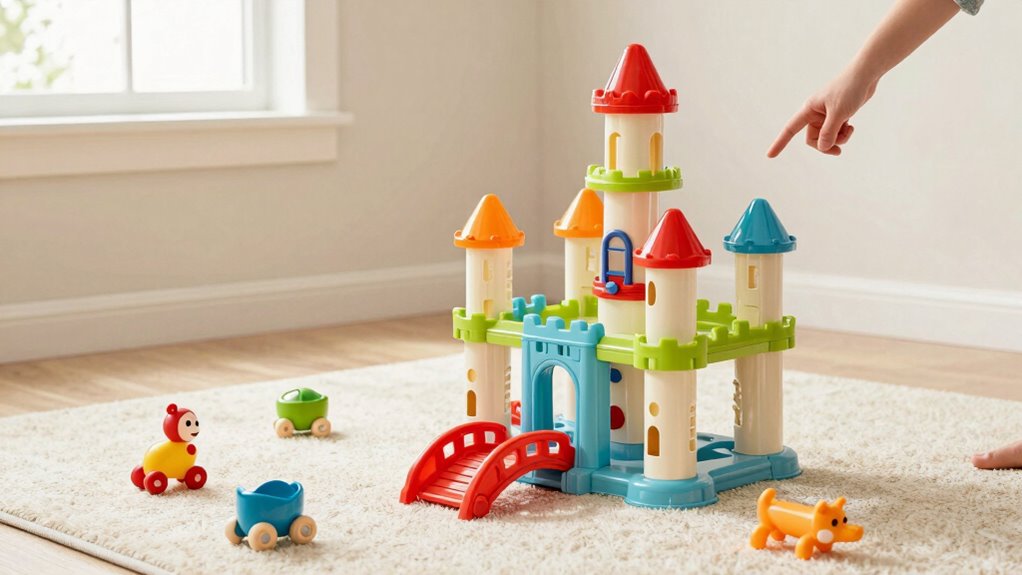
Buying big toys can be exciting, but if you’re not careful, they often end up gathering dust instead of providing lasting fun. Before making a purchase, it’s vital to consider toy safety and how the toy will fit into your overall budget planning. Large toys can be tempting because they seem impressive and fun, but they also come with responsibilities. Making sure toy safety should be your top priority. Check for age-appropriate labels and safety certifications to avoid toys with small parts or sharp edges that could harm your child. Reading reviews and inspecting the toy thoroughly can help you determine if it’s safe for your child’s age and abilities. Remember, even the most entertaining-looking toy isn’t worth risking safety if it doesn’t meet safety standards. Additionally, understanding toy safety standards can help you better evaluate the safety of the toys you consider.
Prioritize toy safety by checking labels, certifications, and inspecting toys to ensure they’re suitable and secure for your child.
Budget planning plays an essential role in preventing unused big toys. Before you even head to the store or browse online, set a clear limit for what you’re willing to spend. Think about how often your child will play with the toy and whether it’s a one-time novelty or something that encourages long-term engagement. Sometimes, splurging on a very expensive toy isn’t justified if it only captures your child’s interest for a few days. Think about looking for versatile, multi-purpose toys or ones that can grow with your child, providing ongoing entertainment. If you’re unsure whether to buy a large toy, ask yourself if it’s worth the investment and if it aligns with your financial priorities. Considering space limitations can help prevent clutter and ensure the toy fits well in your home. Additionally, exploring storage solutions can help you keep your space organized and prevent unused toys from piling up. Being mindful of your home’s layout and available space can further guide your purchasing decisions. Moreover, considering toy durability can ensure that the toy lasts through years of play and reduces the need for frequent replacements.
Another way to avoid unused big toys is to involve your child in the decision-making process. By allowing them to express their preferences or try out toys beforehand, you reduce the chance of buying something that won’t hold their interest. Additionally, renting or borrowing big toys can be a smart move. This approach lets you test how much your child enjoys the toy without committing to a full purchase, saving your money and storage space.
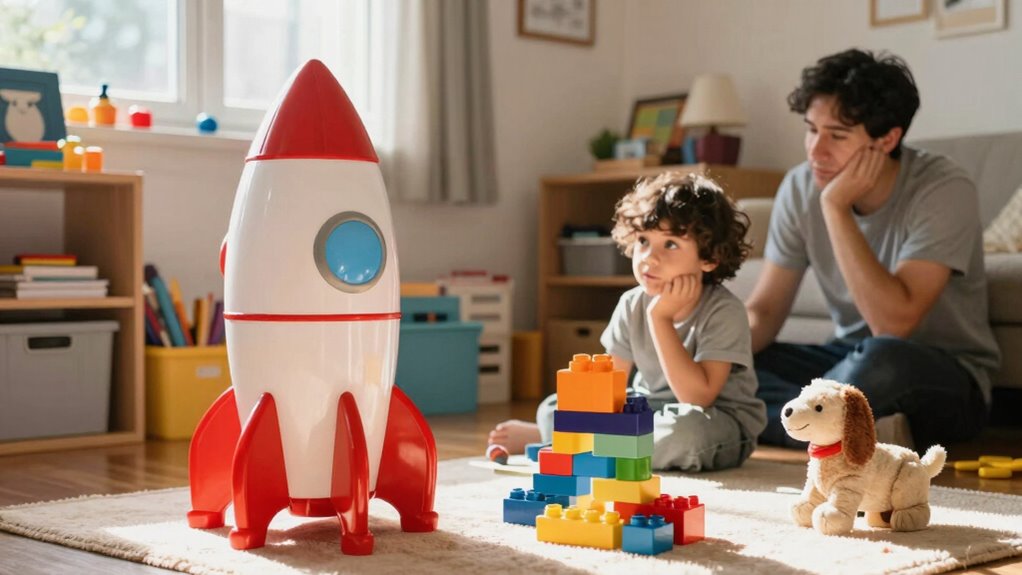
Finally, think about the available space in your home. No matter how enticing a big toy looks, it’s no good if it can’t fit comfortably or if it creates clutter. Planning for the toy’s placement ensures you’re making a practical decision. If you approach big toy purchases with a focus on toy safety, budget planning, and space considerations, you’ll be less likely to buy toys that end up unused. Instead, you’ll invest in toys that truly bring joy and last longer, making every dollar and square foot count.
large kids' toy storage solutions
As an affiliate, we earn on qualifying purchases.
As an affiliate, we earn on qualifying purchases.
Frequently Asked Questions
How Can I Determine My Child’s True Interest Before Purchasing?
To determine your child’s true interest before buying, observe what they naturally gravitate toward during playtime, noting their favorite activities and themes. Ask about their preferences or involve them in choosing gifts. When wrapping toys, keep gift wrapping simple to avoid overwhelming them. Also, consider toy storage options that make it easy to organize and access toys, encouraging regular use and helping you see which toys truly capture their interest.
Are There Alternative Ways to Test a Toy’s Appeal?
You can test a toy’s appeal by observing your child’s reactions during play. Check toy durability by having them handle it actively, ensuring it withstands rough play. Also, assess age appropriateness to see if they engage comfortably without frustration. Introduce the toy in different settings or for short periods first, then watch if your child shows sustained interest, which indicates genuine appeal without the risk of unused clutter.
What Safety Considerations Should I Keep in Mind?
You should prioritize toy safety by checking for durability and adherence to safety standards. Investigate whether the toy’s materials are non-toxic and sturdy enough to withstand rough play. Always read labels to confirm it meets safety regulations. Keep an eye on small parts that could be choking hazards, and avoid toys with sharp edges or loose components. Regularly inspect toys for damage to prevent potential accidents and guarantee ongoing safety.
How Can I Involve My Child in the Buying Decision?
You can involve your child in the buying decision by asking what toys they want and discussing how much space they have for new ones. When wrapping gifts, consider their preferences to make it exciting. Also, talk about toy storage solutions so they understand the importance of organization. This encourages responsibility and guarantees they’re happy with their new toy, reducing the chances of it going unused.
What Are the Best Places to Find Quality Used Toys?
You should check out local thrift stores, online marketplaces like Facebook Marketplace, and consignment shops for quality used toys. These places often offer toys with good toy durability at a fraction of new prices. Always do a price comparison to guarantee you’re getting the best deal, and inspect toys carefully for any damage or missing parts. This way, you can find durable, affordable toys your child will enjoy without the waste.
Conclusion
Remember, even Peter Pan knew the value of play that truly sparks joy. Before splurging on that massive toy, pause and ask yourself if it will become a cherished adventure or just another forgotten treasure. By choosing thoughtfully, you guarantee your child’s playtime isn’t lost in the shadow of unused clutter. Ultimately, it’s about creating memories, not mountains of unused toys—because the best toys are the ones that ignite their imagination and stay close to their heart.
Fall Picks
fall essentials
As an affiliate, we earn on qualifying purchases.