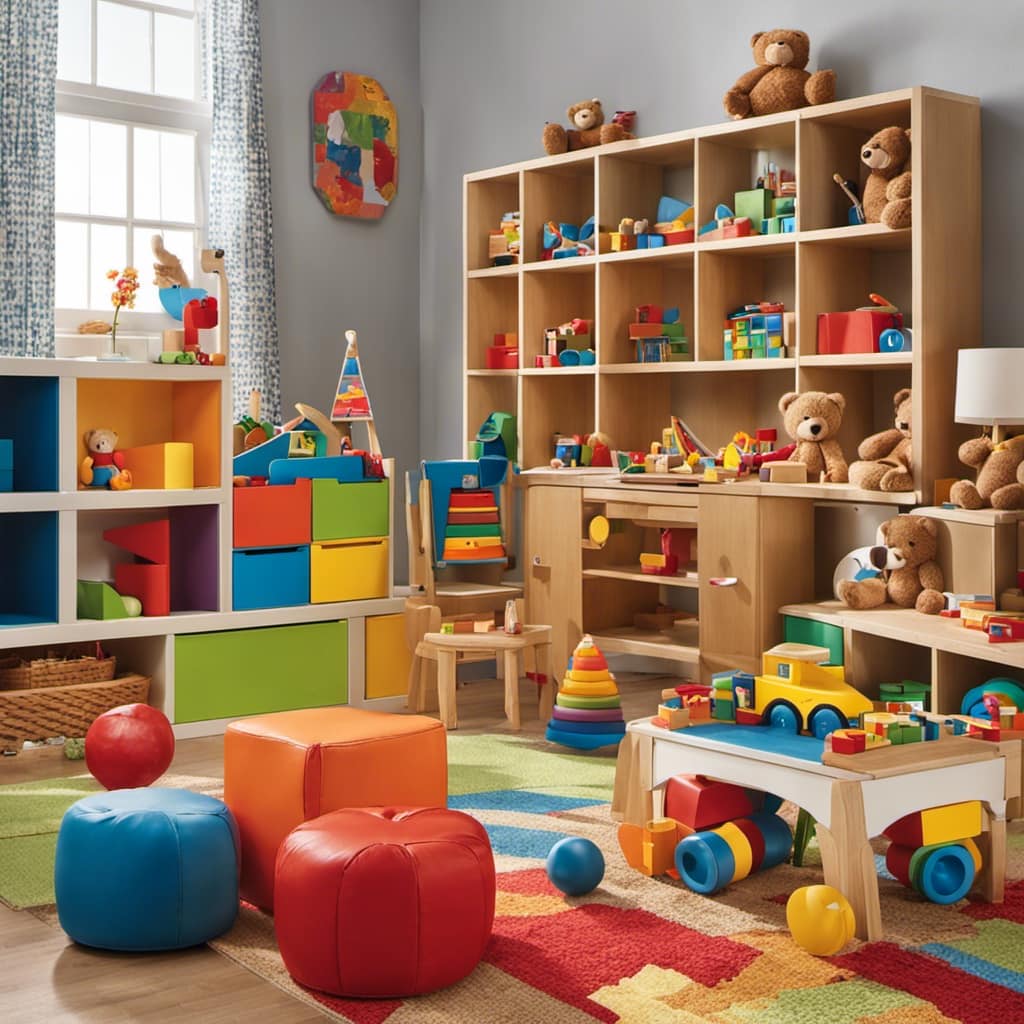
Secure attachments with caregivers give your child a strong foundation to explore confidently through play. When your child feels emotionally safe and supported, they develop trust, emotional regulation, and social skills, which encourage curiosity and independence. As a secure base, you enable your child to take risks, bounce back from setbacks, and understand social cues. Keep exploring how fostering these bonds can facilitate your child’s full potential and support their growth into a confident, socially skilled individual.
Key Takeaways
- Secure attachment provides children with a safe base, encouraging exploration and independent play.
- Caregivers serve as a secure base, supporting risk-taking and confidence in new activities.
- Emotional security fosters curiosity, reducing fear during exploration and learning through play.
- A secure attachment enhances social skills, enabling children to interpret cues and engage confidently in group play.
- Early secure relationships promote resilience, empathy, and sustained exploration throughout childhood.

Have you ever wondered how a child’s early relationships shape their ability to explore and learn through play? It’s a fascinating process, and the key lies in the secure attachment they develop with their caregivers. When a child feels emotionally connected and safe, they’re more likely to approach new experiences with curiosity rather than fear. This sense of security acts as a foundation for emotional regulation, helping them manage feelings like frustration or anxiety that can arise during play. This emotional regulation enables them to engage more confidently with peers, share toys, and resolve conflicts, fostering essential social skills from an early age. Additionally, secure attachment fosters emotional resilience, allowing children to cope better with setbacks and challenges they encounter during play and learning.
Your role as a caregiver or adult in their life is essential here. When you provide a secure base, you offer a safe space for children to venture out and explore their environment. This secure base encourages them to take risks, try new activities, and develop independence—all indispensable parts of play. As they explore, they naturally encounter challenges or setbacks, but a strong attachment helps them bounce back emotionally, knowing they can return to you for comfort when needed. This cycle of exploration and reassurance supports their social development because they learn trust, empathy, and communication through interactions during play. The more securely attached they are, the more they understand that they are valued and capable, which promotes positive peer relationships and cooperative behaviors.
Furthermore, secure attachment influences how children interpret social cues and express themselves. When they feel emotionally regulated and supported, they’re better equipped to understand others’ feelings and respond appropriately. Play becomes a rich learning environment where they practice social skills, negotiate roles, and develop empathy—all within a safe, nurturing context. This nurturing environment helps children build confidence in their abilities, encouraging them to lead or join group activities with enthusiasm. Over time, these early experiences of secure attachment and positive social interactions set a pattern that lasts into later childhood and beyond. They learn that play isn’t just about fun; it’s a fundamental way to connect, grow, and understand the world around them, all rooted in the secure emotional foundation established early on.
Frequently Asked Questions
How Does Attachment Influence a Child’s Social Skills?
Your child’s attachment influences their social skills by shaping their ability to form emotional bonds and trust others. When you build a secure attachment, you teach them trust building, which helps them feel safe to explore social interactions. As a result, they become more confident in making friends, sharing, and managing conflicts. Strong emotional bonds with caregivers lay the foundation for healthy social development and positive relationships later in life.
Can Play Therapy Improve Insecure Attachments?
Play therapy benefits can considerably improve insecure attachments by providing a safe space where you can explore feelings and build trust. Through play, children learn to express themselves and develop attachment security, which enhances their social skills and emotional resilience. As you engage in this therapeutic process, you foster a stronger bond, helping your child feel more secure and confident in their relationships and interactions with others.
What Are Signs of Attachment Issues in Early Childhood?
Think of your child’s attachment as a delicate bridge that connects their feelings to the world. Signs of attachment issues include withdrawal, clinginess, or difficulty trusting others. They may struggle with emotional regulation, overreacting or seeming numb. You might notice inconsistent attachment behaviors—sometimes seeking closeness, other times avoiding it. Recognizing these signs early helps you support their emotional needs, strengthening their secure base for healthy exploration and growth.
How Do Cultural Differences Affect Attachment and Play?
You’ll notice that cultural norms and parenting styles greatly influence how children form attachments and engage in play. In some cultures, close physical contact and communal caregiving foster secure attachments, while others emphasize independence through different play styles. These differences shape children’s exploration and social skills. As a caregiver, understanding these cultural variations helps you support your child’s emotional development and encourage healthy attachment and play behaviors.
What Role Do Siblings Play in Attachment Development?
Siblings are like attachment superheroes, shaping your emotional world through sibling dynamics and attachment modeling. They teach you trust, empathy, and independence—sometimes through hilarious fights or shared secrets. These interactions create a foundation for secure attachments, influencing how you connect with others. Your sibling relationships serve as practice for future bonds, making them more resilient and meaningful. So, your siblings aren’t just family—they’re your first attachment trainers!
Conclusion
So, as you nurture secure attachments, you might think you’re creating a steady foundation. Ironically, it’s often those playful moments of vulnerability and exploration that truly foster growth. Instead of always aiming for control and safety, embrace the unpredictable, spontaneous play. In doing so, you’re actually giving your child the greatest gift: the confidence to explore the world—and yourself—knowing they always have a secure base to return to. Sometimes, safety lies in surrender.