
TL;DR

Turn the school run and nap time into listening time
- Thousands of audiobooks, podcasts and originals
- Listen on your phone, tablet or Echo — also offline
- Cancel anytime
Simon Kearns, a professional guide and mountaineer, shattered the unsupported, on-foot record on Mount Rainier despite a broken ski derailing his original plan. He completed the route in under 4 hours, emphasizing his mountaineering expertise.
Simon Kearns, 25, set a new unsupported, on-foot speed record on Mount Rainier on May 9, completing the 14.5-mile round-trip in 3 hours, 43 minutes, and 52 seconds, despite a broken ski that initially thwarted his plans.
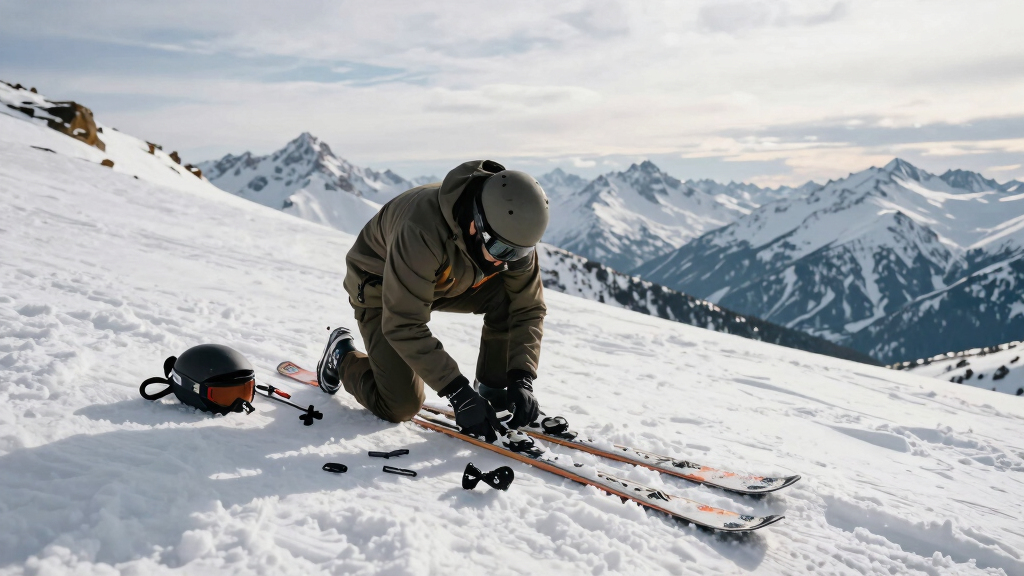
Originally aiming to set a ski record on Mount Rainier, Kearns’s attempt was halted when his only pair of skis snapped a week before the event. Adapting quickly, he pivoted to an unsupported running attempt, carrying only essential gear such as lightweight shoes, microspikes, and safety equipment. His route followed the standard ascent via the Muir Snowfield, Camp Muir, Cathedral Gap, and the summit crater.
Kearns, a mountaineer and guide with RMI, has previously set FKTs on Mount Hood, Mount Massive, and other prominent peaks. His new record beats the previous unsupported, on-foot record of 4 hours, 14 minutes, and 13 seconds, set by Alex King in 2021, by over 30 minutes. This achievement underscores his extensive experience, including 15 summits of Mount Rainier and multiple FKTs on notable mountains.
Why It Matters
This record highlights the growing trend of mountaineering speed records and demonstrates the adaptability and resilience of athletes like Kearns. It also emphasizes the importance of mountain experience, often held by guides, in achieving such feats. The accomplishment adds to the legacy of FKTs in the climbing community and showcases the potential for record-setting even when initial plans are disrupted.
lightweight mountaineering shoes
As an affiliate, we earn on qualifying purchases.
As an affiliate, we earn on qualifying purchases.
Background
FKTs on Mount Rainier have a long history, starting with early attempts by guides like Lou and Jim Whittacker in 1959. The route is challenging, involving glacier travel and significant elevation gain. Kearns’s attempt follows a pattern of mountaineers and guides pushing the boundaries of speed and endurance on the mountain, often during favorable conditions. His initial goal was to set a ski record, but snow conditions and a broken ski shifted his focus to running.
“Getting down and knowing that I was finally done, I was really happy, and realized I could finally rest. I was definitely crying—disbelief that it had gone so well. I didn’t think I would beat the record by so much.”
— Simon Kearns
“I put a lot into this record training for it, and failed a couple of times. This shows how much preparation and experience matter in these attempts.”
— Kearns
What Remains Unclear
It is not yet clear whether Kearns plans to attempt other records or mountaineering challenges in the near future. Details about the specific conditions during his run and how they may impact future attempts remain unconfirmed. Additionally, the full extent of his injury or gear issues during the attempt has not been disclosed.
What’s Next
Kearns intends to focus on guiding and training, but he also plans to pursue FKTs on other mountains, including Long’s Peak. Further attempts or records are expected to be announced as he continues to push his limits.
Key Questions
What was Simon Kearns’s initial goal for Mount Rainier?
He initially aimed to set a ski speed record on Mount Rainier, but a broken ski prevented this attempt.
How did Kearns manage to set the record despite his gear failure?
He pivoted to an unsupported, on-foot run, carrying only essential gear and following the standard route to the summit and back.
What makes this record significant?
It demonstrates the ability to adapt quickly under unforeseen circumstances and highlights the skill and experience of a seasoned guide in setting speed records on challenging terrain.
Will Kearns attempt other records or challenges?
He plans to focus on guiding but also intends to pursue FKTs on other mountains like Long’s Peak.
How does this record compare historically?
The previous unsupported, on-foot record was set in 2021 and was over 30 minutes slower than Kearns’s time, marking a significant improvement in the mountain’s speed record history.
Source: Outside
Halloween Picks
halloween
As an affiliate, we earn on qualifying purchases.