As an educator in the Montessori system, I have noticed the significant impact that sharing toys can have on fostering independence and interpersonal skills in children.
Did you know that 73% of children who engage in regular toy sharing demonstrate improved social-emotional development?
In a Montessori environment, toy sharing allows children to make decisions independently, empowering them to develop crucial social and emotional skills.
Through sharing, they learn empathy, conflict resolution, communication, and the importance of considering others’ needs.
Join me as we explore the transformative power of toy sharing in nurturing autonomy and social skills.
Key Takeaways
- Montessori promotes autonomy, independence, and self-expression through toy sharing.
- Toy sharing helps develop social skills and emotional intelligence, including conflict resolution, communication, and empathy.
- Fostering ownership and responsibility in toy sharing builds confidence, self-esteem, and a sense of pride.
- Toy sharing in Montessori classrooms encourages collaboration, teamwork, problem-solving, and effective communication.
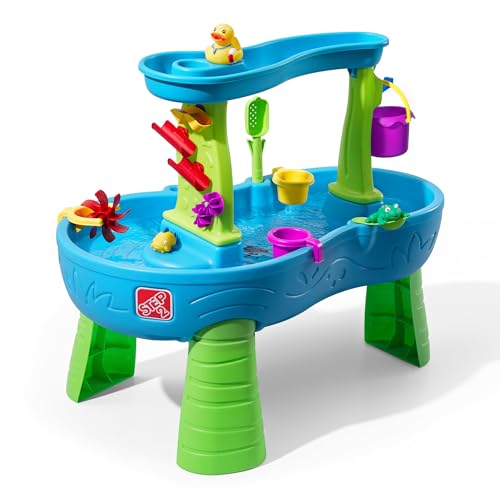
Step2 Rain Showers Splash Pond Water Table, Kids Water and Sand Activity Sensory Playset, Summer Outdoor Toys, 13 Piece Water Toy Accessories, For Toddlers 1.5+ Years Old, Blue & Green
This kids’ water table will create a mini water park right in your backyard! Use the large bucket...
As an affiliate, we earn on qualifying purchases.
The Importance of Autonomy in Toy Sharing
I believe that promoting autonomy in toy sharing is crucial for children’s development of independence and decision-making skills. Developing decision-making skills is a vital aspect of a child’s growth and plays a significant role in their future success.

By allowing children to have the freedom to decide when and how to share their toys, we empower them to develop their own sense of self-expression. This autonomy not only fosters their creativity but also teaches them the value of making choices and taking responsibility for their actions.

Tiny Land Wooden Dollhouse for Girls - 6 Rooms Wooden Doll House, DIY Pretend Doll House with 31Pcs Furniture Accessories, Creative Gift for Girl Ages 3+
Unleash Imagination with Modern Style:Our modern furniture-style dollhouse encourages open-ended pretend play and helps nurture creativity, storytelling skills,...
As an affiliate, we earn on qualifying purchases.
Enhancing Social Skills Through Toy Sharing
Encouraging children to work together and communicate effectively during playtime helps them develop strong social connections and collaboration skills. It is through these interactions that children learn important social skills and emotional intelligence.
By sharing toys, children develop empathy and compassion as they consider the needs and feelings of others. Additionally, toy sharing builds communication and problem-solving skills as children negotiate and compromise with their peers. Through this process, children learn to take turns, listen to others, and work towards common goals.

Tiny Land Doll House, Modern Family Dollhouse with Realistic Design, Wooden Dollhouse with 53Pcs Furniture - Ideal Gift for Kids Ages 3+
Tiny Land Modern Doll house Inspired by Real Family Living: This modern dollhouse is inspired by real contemporary...
As an affiliate, we earn on qualifying purchases.
Nurturing Responsibility and Ownership in Toy Sharing
Taking care of our belongings and learning to clean up after ourselves are important aspects of nurturing responsibility and ownership in toy sharing. Encouraging self-sufficiency in toy sharing allows children to take ownership of their actions and decisions.
When children are responsible for cleaning up and organizing their shared toys, they develop a sense of pride and accomplishment. It instills in them the value of taking care of their belongings and teaches them the importance of respecting others’ property.
By encouraging self-sufficiency in toy sharing, we empower children to become more independent and responsible individuals. They learn to take initiative, make decisions, and contribute to the well-being of the group.
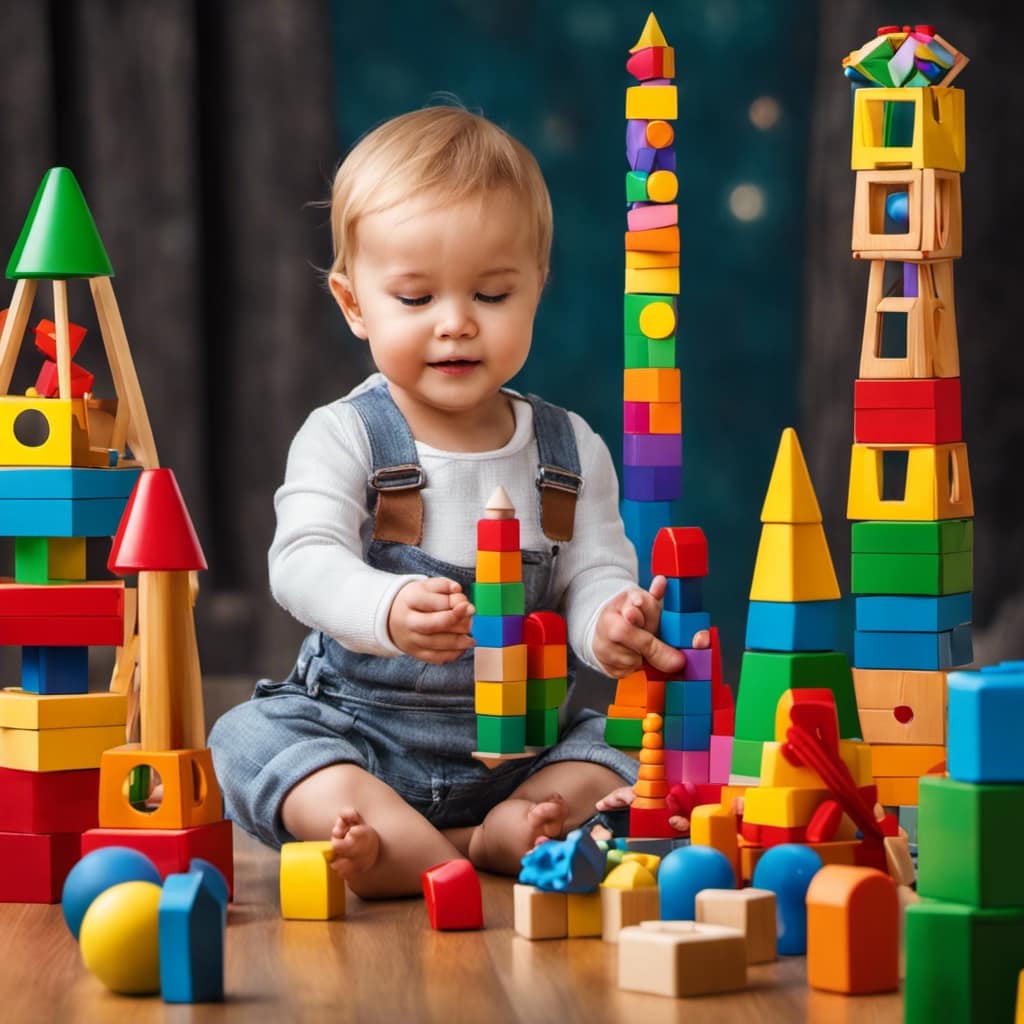
Instilling a sense of pride in shared toys helps children develop a strong connection to the toys and cultivates a sense of ownership and responsibility.

Giant bean Large Wooden Dollhouse with 32 Pcs Furniture Accessories, 3-Story Doll House 5 Rooms Balcony Wooden Stairs, Ideal Dollhouse Toy for Kids Ages 3+, 30" H x 28" L x 13" W
🏠Dreamy Mini Mansion: Step into a world of enchantment and imagination with our exquisite dollhouse. This stunning dollhouse...
As an affiliate, we earn on qualifying purchases.
Promoting Collaboration and Teamwork Through Toy Sharing
Promoting collaboration and teamwork in toy sharing helps children develop effective communication and problem-solving skills. By encouraging children to work together and engage in collaborative play, they learn valuable skills that will benefit them throughout their lives.
Here are some key ways in which promoting collaboration and teamwork in toy sharing fosters development:
-
Enhancing problem-solving skills: When children work together to solve a problem or complete a task, they learn to think critically and find creative solutions.
-
Encouraging inclusivity and diversity: Collaborative play allows children from different backgrounds and abilities to come together, promoting inclusivity and celebrating diversity.
-
Building empathy and understanding: Through collaboration, children learn to listen to others, understand their perspectives, and work towards a common goal.

-
Developing effective communication: Collaborative play requires children to express their thoughts and ideas clearly, fostering communication skills.
-
Cultivating teamwork: By working together, children learn the importance of teamwork and how to effectively contribute to a group effort.
Promoting collaboration and teamwork in toy sharing not only enriches playtime but also lays the foundation for developing problem-solving skills, encouraging inclusivity and diversity, and fostering strong social bonds.
Respecting Boundaries and Autonomy in Toy Sharing
I respect personal boundaries and encourage children to make their own choices when sharing toys. Respecting personal boundaries is crucial in fostering autonomy and promoting independence in children. By allowing children to decide when and how to share their toys, we empower them to develop their social and emotional skills.
It teaches them the value of empathy and meaningful relationships. It also nurtures their innate ability to navigate social interactions. In Montessori classrooms, we believe in promoting self-expression and independent decision-making. This approach fosters a sense of ownership and responsibility for belongings.
Frequently Asked Questions
How Does Toy Sharing in a Montessori Environment Promote Independence and Decision-Making Skills?
Toy sharing in a Montessori environment promotes independence and decision-making skills by allowing children the freedom to choose when and how to share their toys. This empowers them to develop social and emotional skills while fostering autonomy.

What Are Some Specific Ways That Toy Sharing Helps Children Develop Social and Emotional Skills?
Toy sharing helps children develop social and emotional skills by promoting empathy, cooperation, and communication. It teaches them to take turns, negotiate, and consider the needs of others, fostering the development of emotional intelligence and strong interpersonal relationships.
How Does Toy Sharing in Montessori Classrooms Foster a Sense of Ownership and Responsibility for Belongings?
Toy sharing in Montessori classrooms fosters a sense of ownership and responsibility for belongings. Children learn to take care of their toys, clean up, and put them away. This builds confidence, independence, and a sense of pride.
Can You Provide Examples of Group Activities and Projects That Encourage Collaboration and Teamwork Through Toy Sharing?
Group activities and collaborative projects in Montessori classrooms encourage collaboration and teamwork through toy sharing. Examples include building block structures together, creating art projects as a team, and working on puzzles collectively.
How Does Respecting Personal Space During Toy Sharing Contribute to the Development of Healthy Relationships and Social Interactions?
Respecting personal space during toy sharing is essential for developing healthy relationships and social interactions. It allows for effective communication and teaches children the importance of boundaries and empathy.
Conclusion
In conclusion, toy sharing in a Montessori environment is a powerful tool for fostering autonomy and developing social skills in children. By allowing children the freedom to decide when and how to share their toys, they learn important lessons in empathy, communication, and conflict resolution.
Additionally, toy sharing cultivates a sense of responsibility and ownership, as children learn to care for their belongings. Collaborative activities and respect for boundaries further enhance autonomy and promote healthy relationships.

In the words of Albert Einstein, ‘Play is the highest form of research.’ Through toy sharing, children engage in meaningful research that prepares them for a successful future.