
TL;DR
Booster seats bridge the gap between harnessed car seats and adult seat belts, ensuring proper fit and safety for children. Correct use based on height and fit tests is key, regardless of age. Learn how to pick and use boosters confidently.
Use the five-step belt fit test in every vehicle and seat to confirm your child’s readiness for a booster.
High-back boosters offer better head support, but both types can be safe if used correctly and fit properly.
Correct belt positioning—lap across hips and shoulder across chest—is the real goal, not age or height alone.
Avoid premature transition by ensuring your child can sit upright and keep the belt in the right place during the entire ride.
Always check booster expiration dates, recall notices, and crash history before using a secondhand seat.
How to Know When Your Child Is Ready for a Booster
The moment your child is ready for a booster isn’t about age alone. It’s about fit. A child is ready when they can sit upright, with the belt fitting snugly across the hips and chest, without slouching or slipping out of position. The five-step belt test is your best guide. It’s simple: if they pass all five conditions in every vehicle and seat, they’re good to go. If not, keep them harnessed or in a booster with proper fit.
For example, I once had a neighbor’s 8-year-old who looked tall enough but still slouched and had the lap belt across her stomach. She wasn’t quite ready. Meanwhile, her younger brother, at 7, passed the test because he sat up straight and the belt fit perfectly. It’s all about geometry, not just age.
Understanding why fit matters is crucial: a proper fit ensures the forces of a crash are distributed across the strongest parts of the body—the hips and chest—minimizing injury risk. If the belt rides up over the abdomen, it can cause internal injuries. If the shoulder belt slips off the shoulder, it offers no protection. The five-step test helps identify when the seat belt aligns correctly, which is the real indicator of readiness, not just age or height.
As an affiliate, we earn on qualifying purchases.
High-Back vs. Backless Boosters — Which Protects Your Child Better?
Both high-back and backless boosters can keep your kid safe, but each has its strengths and tradeoffs. A high-back booster provides head and torso support, guiding the shoulder belt into the correct position and helping prevent slouching during long rides. This support is especially important in vehicles with low seatbacks or no head restraints, where the risk of head or neck injury from whiplash increases. Conversely, backless boosters are more portable and easier to transfer between vehicles, making them convenient for families on the go or in situations where space is limited.
Choosing between them isn’t just about convenience; it’s about understanding the safety implications. A high-back booster offers better protection in side-impact crashes because it often includes energy-absorbing head support. However, if your vehicle has a headrest that properly supports your child’s head, a backless booster can be just as safe when used correctly. The key is ensuring the booster fits your child’s size and the vehicle’s seat—poor fit can negate safety benefits regardless of type. Therefore, the best choice depends on your child’s size, your vehicle’s features, and your ability to ensure correct and consistent positioning every trip. Understanding these nuances helps you make an informed decision that maximizes safety and comfort.
The Real Purpose of a Booster Seat
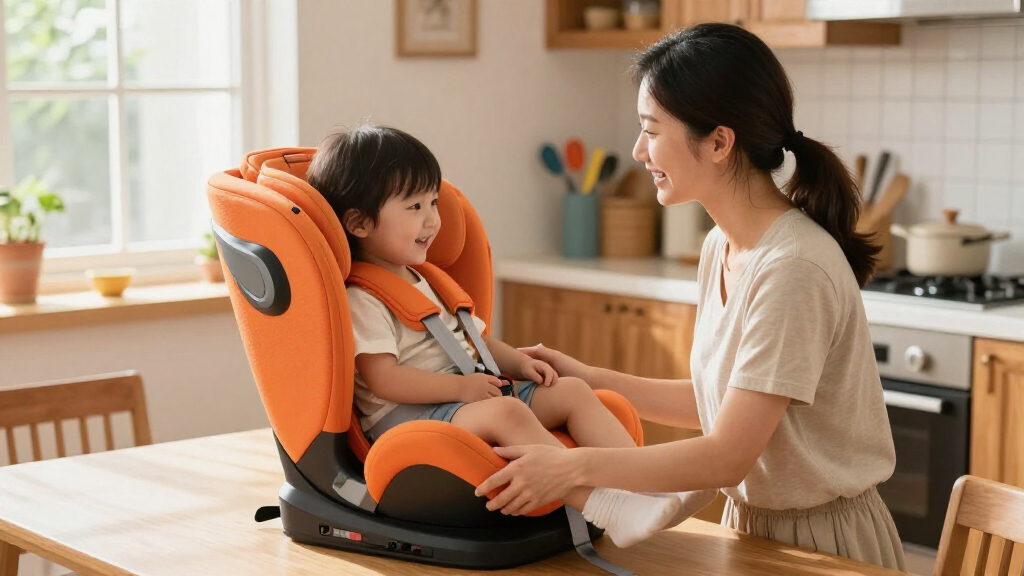
A booster isn’t just a seat—it’s a critical tool for proper seat belt positioning. Its core purpose is to elevate your child so that the vehicle’s seat belt aligns correctly over the strongest parts of their body—the hips and chest—reducing the risk of injury during a crash. When the belt rides up over the stomach or slips off the shoulder, it can cause internal injuries or neck injuries, respectively. Therefore, the booster’s role is to transform the vehicle’s seat belt into a safe, effective restraint tailored to your child’s body proportions.
For example, some boosters include built-in belt guides or seat belt positioning clips designed to help position the belt in the optimal location. These features are especially valuable for children who are still developing their sitting posture or have irregular body proportions. It’s important to recognize that a booster doesn’t provide restraint on its own; it’s a facilitator that ensures the existing seat belt functions as intended. Also, unoccupied boosters should always be secured or anchored to prevent them from becoming projectiles in a crash, which could cause injury to other occupants. Appreciating this distinction helps parents understand that the booster’s effectiveness depends on correct fit and proper use, not just the presence of the seat itself.