
To make a fun and educational nature scavenger hunt for young kids, include simple items like colorful leaves, feathers, or rocks, and encourage wildlife spotting of birds, squirrels, or insects. Use checklists or clues to guide their observations, and provide cameras or notebooks to document discoveries. This activity boosts curiosity, patience, and awareness of ecosystems. Keep exploring more ideas to create an engaging outdoor adventure that teaches kids about nature’s wonders and why they should protect it.
Key Takeaways
- Incorporate simple, colorful checklists for kids to find common plants and animals like leaves, flowers, and birds.
- Use age-appropriate clues and visual aids to make identifying wildlife and plants fun and accessible.
- Provide notebooks or cameras for kids to document their discoveries, encouraging active engagement.
- Turn the hunt into a game by setting goals for spotting different species or specific items.
- Choose safe, accessible outdoor locations that offer diverse flora and fauna for exploration.
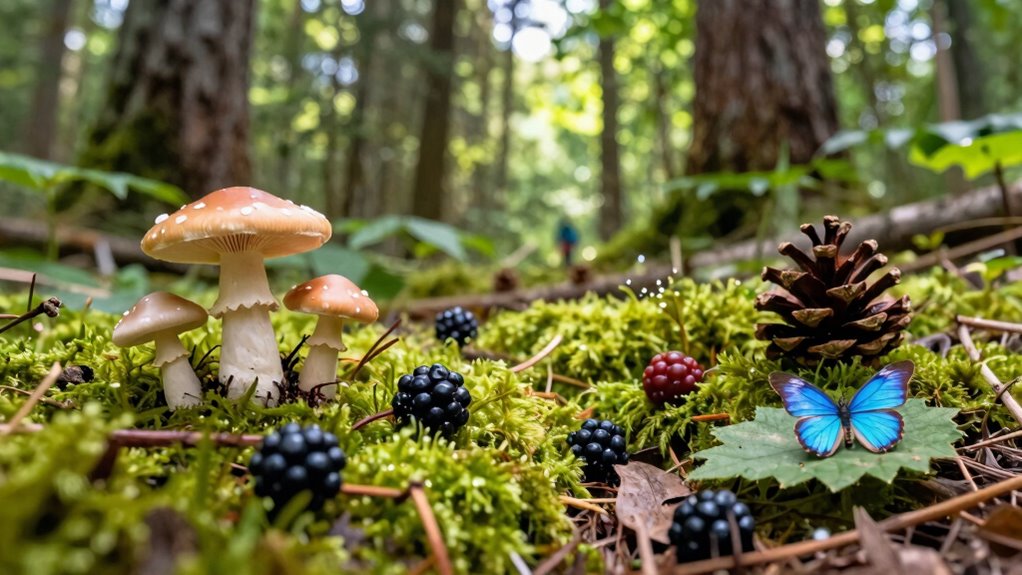
A nature scavenger hunt is a fun and engaging way to encourage kids to explore the outdoors while learning about their environment. As you plan your hunt, think about how kids can enjoy wildlife spotting and plant identification along the way. These activities turn a simple walk into an exciting adventure, making nature feel like a treasure trove of surprises.
When you include wildlife spotting in your scavenger hunt, you’re inviting kids to look for animals and insects they might not usually notice. Encourage them to keep an eye out for birds, butterflies, squirrels, or even tiny bugs crawling on leaves. Remind them to move slowly and quietly so they can get a good look without scaring the creatures away. You can also turn this into a game by asking kids to identify specific animals or to find as many different species as possible. This activity sharpens their observation skills and fosters a sense of curiosity about local wildlife.
Plant identification is another exciting part of the scavenger hunt. Kids love discovering different types of trees, flowers, and bushes. Provide them with simple clues or a checklist of common plants to find, such as a maple leaf, a daisy, or a pinecone. Encourage them to look for unique features—like the shape of a leaf or the color of a flower—to help identify what they find. This process helps children become more familiar with their local flora and understand how diverse and interesting plant life can be. Plus, it’s a great way to teach them about the importance of plants in the ecosystem. Learning to recognize different plant species can also promote a deeper appreciation for biodiversity. Recognizing these species can also help children understand the ecological roles that different plants serve in their environment.
To make the experience even more interactive, you can give kids a small notebook or a camera to document their discoveries. They can draw what they see, take pictures, or jot down notes about each plant or animal. This not only makes the hunt more engaging but also helps reinforce their learning. Exploring different species in nature can deepen their understanding of biodiversity and ecological connections, fostering a lifelong appreciation for the environment. Incorporating nature-based exploration into activities like this enhances their understanding of ecological systems and the vital role each species plays in maintaining a healthy planet. Developing an awareness of ecological connections can help children appreciate the interconnectedness of all living things and motivate them to protect natural habitats. As they spot wildlife or identify plants, they develop patience and attention to detail, key skills that benefit them far beyond the outdoor setting.
kids nature scavenger hunt checklists
As an affiliate, we earn on qualifying purchases.
As an affiliate, we earn on qualifying purchases.
Frequently Asked Questions
How Can I Adapt the Hunt for Different Age Groups?
To adapt the hunt for different age groups, you should include age-appropriate challenges and skill-based tasks. For younger kids, use simple item searches and visual clues, while older children can handle riddles and more complex challenges. Adjust the difficulty level by giving more hints or requiring teamwork for younger kids. This way, everyone stays engaged, and the hunt remains fun and suitable for each age group’s abilities.
What Safety Tips Should I Follow During Outdoor Scavenger Hunts?
Did you know that outdoor accidents decrease by 40% when proper safety measures are followed? During your scavenger hunt, prioritize wildlife safety by teaching kids to observe animals from a distance and avoid disturbing their habitats. Carry a basic first aid kit to handle minor injuries promptly. Keep an eye on children, set clear boundaries, and make sure they understand outdoor safety rules to enjoy a fun, accident-free adventure.
How Do I Incorporate Educational Elements Into the Hunt?
You can incorporate educational elements by encouraging kids to practice nature observation and plant identification during the hunt. Provide simple guides or picture cards to help them recognize different leaves, flowers, or insects. Ask questions like, “What color is this flower?” or “Can you find a leaf with a different shape?” This promotes curiosity, enhances their understanding of nature, and makes the experience both fun and educational.
What Are Some Eco-Friendly Ways to Organize the Scavenger Hunt?
You can organize your scavenger hunt eco-friendly by using recycled materials for clues and labels, and encouraging kids to create recycling crafts as part of the game. Incorporate nature journaling to minimize paper waste and deepen their connection to the environment. You’ll be killing two birds with one stone—teaching kids about sustainability while having fun outdoors. This approach keeps your hunt green-minded and engaging, all while respecting Mother Nature.
How Can I Encourage Teamwork Among Young Children During the Hunt?
You can encourage teamwork by incorporating team-building activities and cooperative challenges into the scavenger hunt. Divide kids into small groups, assign roles, and set goals that require collaboration, like finding specific items together or solving nature-based puzzles. Praise their efforts and emphasize working as a team, which boosts cooperation and makes the experience more engaging. This approach fosters friendly competition and helps children develop social skills while having fun outdoors.
Conclusion
Get ready to turn your backyard or park into the ultimate adventure zone! With these scavenger hunt ideas, you’ll spark endless curiosity and set free your child’s inner explorer. Watch as they chase after tiny treasures, spotting everything from the tiniest leaf to the biggest, most impressive rock—it’s like discovering a hidden world just waiting to be uncovered. Prepare for giggles, amazement, and a whole lot of nature-loving excitement that’ll make every day feel like a wild expedition!