
Set up a designated mud play area using a shallow sandbox, tarp, or waterproof mat to contain splatters and keep dirt in one spot. Guarantee the space is free of hazards like rocks and debris, and supervise kids to prevent ingestion or injuries. Keep handwashing stations and cleanup supplies nearby, and encourage kids to wear waterproof boots and gloves. After play, rinse clothes, clean toys, and supervise children changing into dry clothes to keep messes controlled—find out more tips to enjoy muddy fun safely.
Key Takeaways
- Designate a shallow, contained play area with waterproof mats to keep mud within a specific zone.
- Supervise children closely and enforce safety rules to prevent ingestion and hazards.
- Set up a handwashing station and keep cleaning supplies nearby for quick hygiene.
- Rinse boots, clothes, and toys outside or in the laundry to minimize indoor mess.
- Implement a thorough cleanup routine, including changing into dry clothes immediately after play.

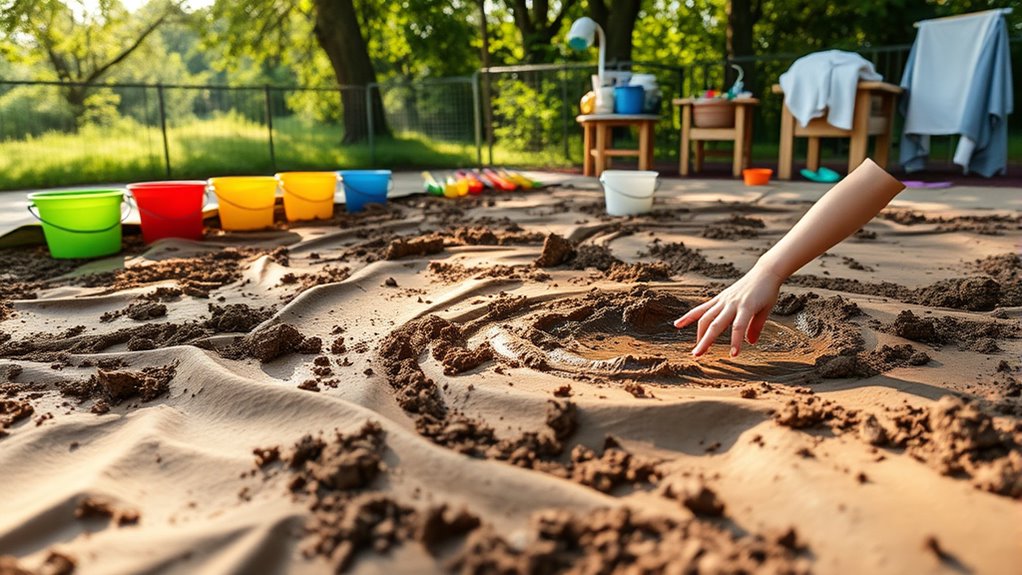
Mud play is a fantastic way to boost your child’s creativity and sensory development, but it often comes with a messy cleanup. One common challenge is dealing with mud splatters that can turn your yard and play area into a muddy chaos. To keep things manageable, start by choosing a designated mud play zone, like a shallow sandbox or a tarp-covered section of your yard. This helps contain the mess and makes cleanup easier. When setting up, consider placing a plastic sheet or waterproof mat beneath the play area to catch mud splatters and prevent dirt from spreading everywhere.
Safety precautions are essential before letting your child submerge into mud play. Make sure the area is free of sharp objects, rocks, or debris that could cause injuries. Check the mud for any contaminants, especially if you’re using natural soil—avoid areas near animal waste or polluted water sources. Encourage your child to wear old clothes, waterproof boots, and gloves if needed, so they can enjoy the activity without worrying about getting messy or hurting themselves. Remind them not to put mud or dirt in their mouths and supervise at all times to prevent ingestion of dirt or other potential hazards.
Implementing simple safety measures can make mud play safer and more enjoyable. For example, setting up a handwashing station nearby encourages good hygiene, especially after playing in dirt. Keep a supply of clean water, towels, and wipes handy for quick cleanups. You might also want to have a first aid kit nearby in case of minor scrapes or cuts. Educate your child about the importance of safety during mud play—like avoiding sharp objects and not eating or drinking mud. Additionally, using vegetable juices such as aloe vera juice can help soothe any skin irritations that might occur from contact with mud or dirt.
When playtime wraps up, a thorough cleanup helps prevent lingering mud splatters and keeps the area tidy. Use a hose or bucket of water to rinse off muddy boots and clothes outside or in the laundry. For muddy toys or tools, scrub them with soap and water before bringing them indoors. To minimize mud splatters indoors, have your child change into dry clothes immediately after playing, and consider setting up an outdoor shower or splash station if space allows.
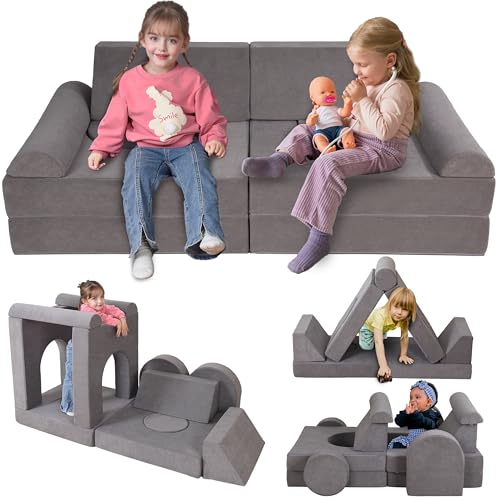
Winhomish 12-Piece Modular Kids Play Couch – Premium Soft Foam, Removable Cover, Comfortable & Safe Toddler Couch for Children 1-6 Years, Portable & Easy to Clean, Ideal for Living Room & Playroom
Premium Quality Modular Design – The Winhomish 12-piece kids modular play couch offers a luxurious and customizable solution...
As an affiliate, we earn on qualifying purchases.
Frequently Asked Questions
What Are the Best Weather Conditions for Mud Play?
The best weather for mud play is after rainy days when the ground is moist but not overly muddy or slippery. Avoid extremely dry weather, which makes the mud too hard or dusty. Opt for mild temperatures and overcast skies to keep kids comfortable and safe. Always check the forecast to make certain conditions won’t suddenly turn hazardous, and supervise kids to prevent accidents during play.
How Can I Prevent Children From Eating Too Much Mud?
Think of mud as a tempting treasure chest, but you can guide kids away from overindulgence. Offer healthy snacks before playtime to fill their bellies and reduce curiosity about mud’s “treasure.” Explain that a “mud diet” isn’t real and set clear boundaries. During play, supervise actively, and encourage them to admire mud without eating too much. This helps keep play fun, safe, and mess-free.
What Safety Gear Is Recommended During Mud Play?
To guarantee mud safety during play, you should equip children with protective gear like goggles, gloves, and waterproof boots. These items keep mud out of their eyes, hands, and clothes, reducing the risk of irritation or injury. Encourage proper safety practices, such as avoiding sharp objects and cleaning up thoroughly afterward. Using protective gear makes mud play safer and more enjoyable, giving you peace of mind while kids have fun.
How Do I Store Leftover Mud for Future Use?
Leftover mud can seem like an unstoppable force, but with proper mud storage, you can tame it for future fun. Transfer the mud into airtight containers or sealed plastic bags, removing as much air as possible. Store it in the refrigerator for short-term use or in the freezer if you want to keep it longer. Just remember, always label your containers to avoid confusion and guarantee safe reuse later!
Are There Eco-Friendly Ways to Clean Mud From Clothes?
You can clean mud from clothes eco-friendly by using biodegradable detergents, which break down naturally and are gentle on the environment. For stubborn stains, try natural stain removers like baking soda paste or vinegar. Pre-treat the muddy areas with these solutions before washing. Avoid harsh chemicals, and opt for cold water to preserve fabric and reduce energy use. This way, you clean effectively while protecting the planet.

zefinot Modular Kids Play Couch 10PCS – Convertible Kids Sofa & Toddler Play Couch with DIY Foam Pieces for Imaginative Play, Climbing & Relaxation for Playroom, Bedroom, Nursery & Living Room
【Versatile Design】The modular kids play couch offers different shapes foam for DIY unlimited builds,such as sofas, forts, tunnels,...
As an affiliate, we earn on qualifying purchases.
Conclusion
With these tips, your mud play will be smoother than a gliding snail and cleaner than a pristine porcelain. Say goodbye to muddy chaos turning your backyard into a swamp and hello to joyful, mess-free fun that feels almost too good to be true. Now, you’re armed to conquer every muddy adventure with the precision of a ninja and the patience of a saint. Get ready to enjoy muddy madness without the mayhem—your perfect playground awaits!
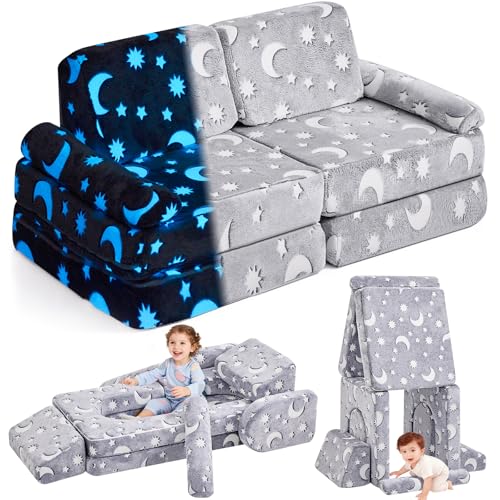
IFNOW Star Modular Kids Play Couch for Toddlers 1-3, 10 Pcs Convertible & Washable Toddler Foam Couch for Playroom & Living Room, Glow-in-the-Dark, Apartment Friendly CPC Certified Building Fort couch
MADE FOR TODDLERS AGES 1-3: Designed as a soft first modular kids play couch for little ones, this...
As an affiliate, we earn on qualifying purchases.

Edbuosy 22Pcs Modular Kids Play Couch - Kids Couch for Playroom Bedroom Living Rooms Toddler Sofa for Inspiring Child Creativity,Children Convertible Foam Sofa
22pcs Modular Design : The modular sofa has 22 pieces: Big Square block*2, Semicircle block*2, Semicircular concave block*2,...
As an affiliate, we earn on qualifying purchases.