Exploring how **socioeconomic status** affects a child’s growth intrigues me as I uncover the deep ties between the two. The connection between **socioeconomic status** and areas like school success and mental well-being outcomes is evident. Discover more about these crucial links to understand their importance fully!

Turn the school run and nap time into listening time
- Thousands of audiobooks, podcasts and originals
- Listen on your phone, tablet or Echo — also offline
- Cancel anytime
The disparity in resources and opportunities experienced by children from different socioeconomic backgrounds shapes their language development, social skills, and even physical well-being.
Join me as we uncover the profound effects of socioeconomic status on the growth and potential of our youngest generation.
Key Takeaways
- There is a strong correlation between socioeconomic status and academic achievement, with factors such as access to quality educational resources and parental involvement contributing to academic disparities.
- Socioeconomic status has a clear link with mental health outcomes, with individuals from lower socioeconomic backgrounds being more likely to experience mental health disorders.
- Socioeconomic factors significantly impact language development, with parental involvement and access to high-quality early education programs playing key roles.
- Socioeconomic disparities can lead to difficulties in social skills and relationships, with children from low socioeconomic backgrounds often exhibiting poorer social skills and facing challenges in forming positive social connections.
Correlation Between Socioeconomic Status and Academic Achievement
I’ve noticed a strong correlation between socioeconomic status and academic achievement. Factors like access to quality educational resources and parental involvement play a significant role.
Research consistently shows that parental involvement has a positive influence on academic achievement. When parents are actively engaged in their child’s education, it leads to better academic performance, higher graduation rates, and increased motivation to succeed.
Additionally, access to quality education is crucial for academic success. Children from higher socioeconomic backgrounds often have more opportunities to attend well-funded schools with experienced teachers and a wide range of resources.

On the other hand, children from lower socioeconomic backgrounds may face limited access to quality education, which can hinder their academic progress. Therefore, addressing these disparities and ensuring equal access to quality education and parental involvement is essential for promoting academic achievement for all children.
Socioeconomic Factors and Mental Health Outcomes
Experiencing mental health disorders is more likely for individuals from lower socioeconomic backgrounds. Socioeconomic factors have a significant impact on mental health outcomes, including self-esteem and the development of mental health disorders.
Research has consistently shown that individuals from lower socioeconomic backgrounds are at a higher risk for developing mental health disorders such as depression, anxiety, and substance abuse. This can be attributed to various factors, including limited access to healthcare, higher levels of stress, and a lack of resources for coping with mental health challenges.
Additionally, individuals from lower socioeconomic backgrounds may face stigma and discrimination, further impacting their mental well-being. It is important to address these socioeconomic factors and provide support and resources to individuals from all backgrounds to improve mental health outcomes and promote self-esteem.
Impact of Socioeconomic Factors on Language Development
Access to high-quality early education programs plays a crucial role in language development and can contribute to vocabulary disparities between children from different socioeconomic backgrounds.
Research has shown that parental involvement has a significant influence on language development. When parents actively engage with their children through activities such as reading, storytelling, and conversation, it positively impacts their language skills.
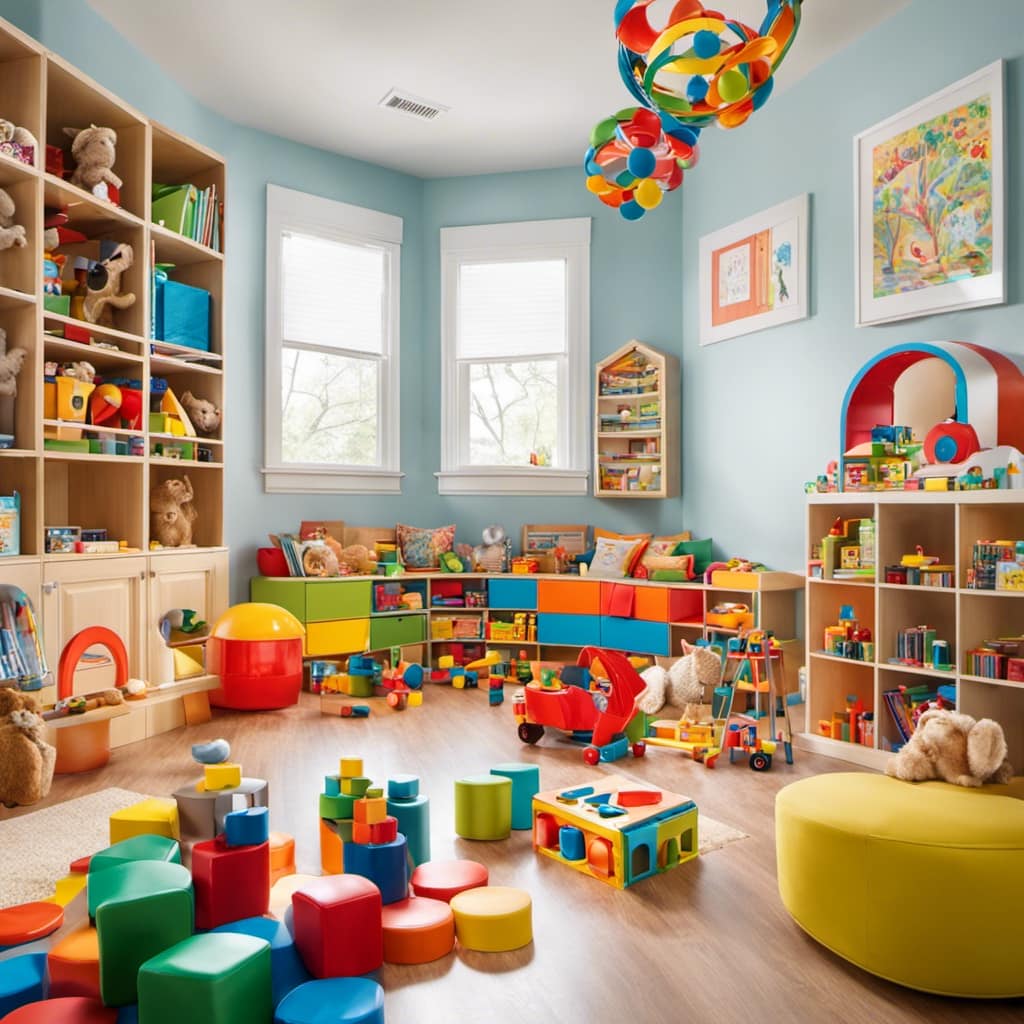
Additionally, early education programs have a profound impact on language development. These programs provide children with structured learning opportunities that focus on language acquisition and communication skills. By exposing children to a stimulating environment and providing them with opportunities to interact with peers and knowledgeable adults, early education programs help foster language development.
Therefore, both parental involvement and participation in early education programs are key factors in promoting language development in children from all socioeconomic backgrounds.
Socioeconomic Disparities in Social Skills and Relationships
Limited access to high-quality early education programs can contribute to socioeconomic disparities in social skills and relationships. Children from low socioeconomic backgrounds often exhibit poorer social skills compared to their peers, which can have long-term effects on their social development and overall well-being.
However, the role of community support in mitigating these disparities cannot be overlooked. When communities come together to provide resources, mentorship, and opportunities for social interaction, they can help bridge the gap and provide children from low socioeconomic backgrounds with the necessary skills and relationships to thrive.
Community support can offer programs and activities that promote social skills, emotional intelligence, and positive relationships. By investing in the social development of all children, regardless of socioeconomic status, communities can create a more inclusive and equitable society.
Influence of Socioeconomic Status on Physical Development
I’ve noticed that socioeconomic factors can significantly affect a child’s physical well-being. This includes their access to nutritious food and healthcare services, as well as the quality of their physical environment.
- Influence of nutrition on physical development:
Limited access to nutritious food can hinder growth, delay puberty, and increase the risk of chronic diseases such as obesity and diabetes.
Socioeconomic status can determine the quality and availability of healthcare services for children.
- Impact of healthcare access on physical development:
Children from low-income families may face barriers to healthcare, leading to undiagnosed and untreated health conditions.
Socioeconomic status can influence the physical environment in which children grow and develop, including limited access to safe parks and recreational facilities.
Research has shown that children from low socioeconomic backgrounds are more likely to experience health disparities due to inadequate nutrition and limited healthcare access. These factors can have long-term consequences on their physical development, including stunted growth, delayed puberty, and increased risk of chronic diseases.
Furthermore, children from low-income families may face barriers to receiving timely and appropriate healthcare, leading to undiagnosed and untreated health conditions. Additionally, the physical environment in which children grow and develop can be influenced by socioeconomic status, with limited access to safe parks and recreational facilities.
Ensuring equitable access to nutritious food and healthcare services is crucial for promoting optimal physical development in all children.
Barriers to Child Development Posed by Socioeconomic Status
Growing up in a low-income household, I faced numerous obstacles that hindered my overall growth and potential. One of the major barriers I encountered was the limited access to quality healthcare due to our socioeconomic status.

Socioeconomic factors have a significant impact on early childhood development, including access to healthcare services. Children from low-income families often face barriers to healthcare, leading to undiagnosed and untreated health conditions. This can have long-term effects on their physical development and overall well-being.
Additionally, socioeconomic status can determine the quality and availability of healthcare services for children. Limited access to nutritious food, delayed puberty, and increased risk of chronic diseases are some of the consequences of these barriers.
It is crucial to address these disparities and ensure equal access to quality healthcare for all children, regardless of their socioeconomic status.
Frequently Asked Questions
How Does Parental Involvement in Education Differ Between High and Low Socioeconomic Backgrounds?
Parental involvement in education varies between high and low socioeconomic backgrounds. Research shows that parents from higher socioeconomic backgrounds tend to be more involved in their children’s education, which contributes to educational disparities between the two groups.
What Are the Long-Term Effects of Socioeconomic Status on Mental Health Outcomes?
Long-term consequences of socioeconomic factors on mental health outcomes include higher rates of mental health disorders, lower self-esteem, and limited opportunities for personal growth. These factors can have a lasting impact on individuals from lower socioeconomic backgrounds.
How Do Early Education Programs Impact Language Development in Children From Different Socioeconomic Backgrounds?
Early education programs significantly impact language development in children from different socioeconomic backgrounds, highlighting the relationship between socioeconomic status and educational attainment. This statistic emphasizes the importance of equal access to quality early education for all children.

What Are Some Specific Social Skills That Are Commonly Lacking in Children From Low Socioeconomic Backgrounds?
Children from low socioeconomic backgrounds often lack social skills such as empathy, problem-solving, and self-regulation. These deficits can negatively impact academic achievement and hinder positive social connections.
How Does Limited Access to Nutritious Food Impact Physical Development in Children From Low-Income Families?
Limited access to nutritious food in low-income families can negatively impact physical development in children. Lack of essential nutrients can hinder growth, delay puberty, and increase the risk of chronic diseases like obesity and diabetes.
Conclusion
In conclusion, the impact of socioeconomic status on child development is undeniable. Research consistently shows that children from higher socioeconomic backgrounds have better academic achievement, mental health outcomes, language development, social skills and relationships, and physical development.
One interesting statistic is that children from low-income families are more likely to experience mental health disorders, with a poverty rate of 21.4% among children with mental health disorders compared to 13.7% among children without mental health disorders (National Survey of Children’s Health, 2016).
This highlights the urgent need to address the socioeconomic barriers that hinder optimal child development.
Halloween Picks
halloween
As an affiliate, we earn on qualifying purchases.