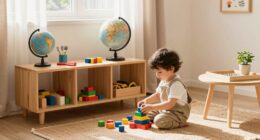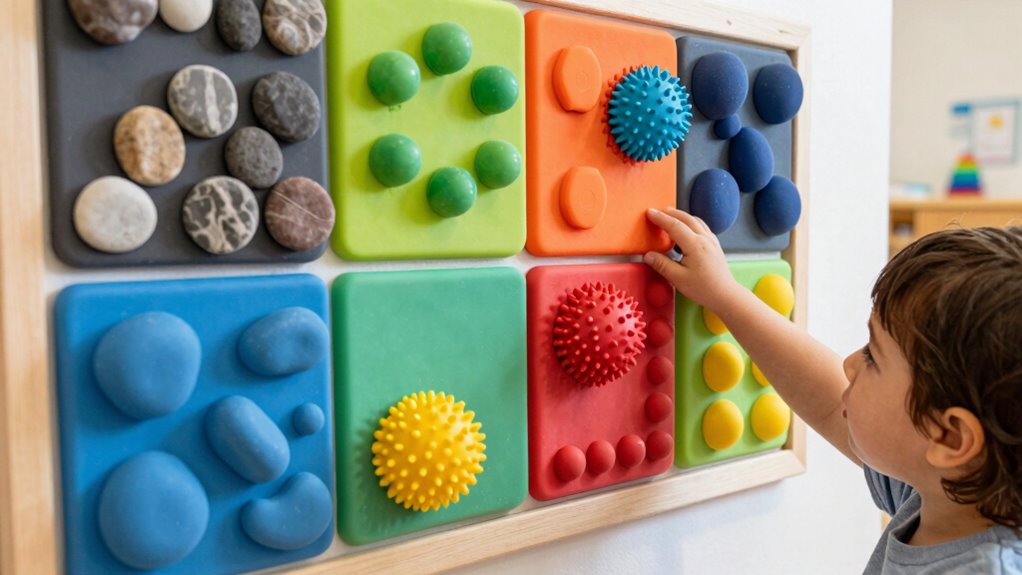

Sensory walls help some kids stay engaged longer because they create a dynamic, tactile environment that captures attention through textures, lights, and moving parts. By stimulating multiple senses, these walls channel energy and reduce distractions, making focus easier. They also support self-regulation, calming nerves and encouraging active participation. When designed thoughtfully, sensory walls provide personalized experiences that promote emotional and cognitive development. Keep exploring to discover how these engaging spaces can benefit different children.

Turn the school run and nap time into listening time
- Thousands of audiobooks, podcasts and originals
- Listen on your phone, tablet or Echo — also offline
- Cancel anytime
Key Takeaways
- Sensory walls provide stimulating tactile and visual input that capture children’s attention and encourage prolonged engagement.
- They offer hands-on activities that promote active participation, reducing distraction and increasing focus.
- Varied sensory elements help children self-regulate, enabling them to stay engaged longer in learning tasks.
- Customized sensory stimulation suits individual needs, maintaining interest and preventing overstimulation.
- Well-designed sensory walls create a calming environment that supports sustained attention and emotional regulation.
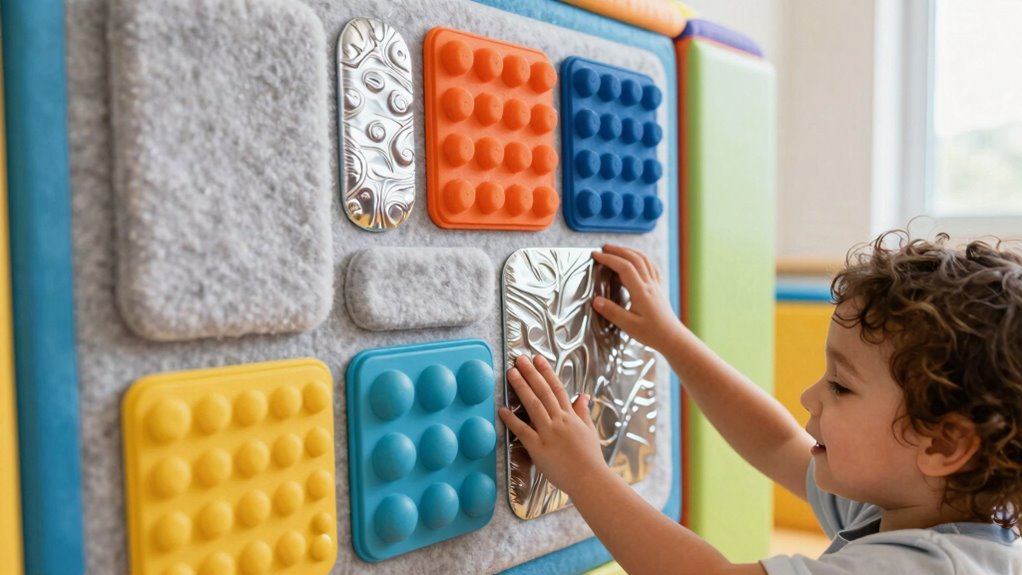
Sensory walls are transforming how kids engage with their environments by offering a dynamic and tactile experience that captures their attention. When you think about sensory wall design, you’re creating more than just a colorful or textured backdrop—you’re building a space that enhances childhood focus. These walls are carefully crafted to stimulate multiple senses, helping children channel their energy and attention more effectively.
One reason sensory walls work so well is that they cater to a child’s natural curiosity and need for exploration. Instead of passively sitting through a lesson or activity, kids are encouraged to touch, squeeze, and manipulate different textures, lights, or moving parts. This hands-on interaction keeps their minds engaged longer because they’re actively involved in the learning process. When you incorporate elements like soft fabrics, bumpy surfaces, or moving components into sensory wall design, you create an environment that invites children to stay engaged without feeling overwhelmed or distracted. Incorporating sensory input into the design can also help children develop better sensory processing skills over time. Additionally, understanding the importance of multisensory stimulation can guide the creation of more effective sensory walls.
Sensory walls encourage exploration through touch and manipulation, keeping children engaged and focused without feeling overwhelmed.
Moreover, sensory walls help children develop a better understanding of their own sensory preferences and responses. Some kids find that tactile stimulation calms their nerves or helps them focus more clearly. By providing designated sensory input through a well-designed wall, you give these children a way to self-regulate, which in turn prolongs their ability to stay on task. When kids are less distracted and more centered, their childhood focus naturally improves. You’ll notice they’re less prone to wandering or losing interest because the sensory wall offers just enough stimulation to keep their minds occupied without overstimulating them. Recognizing sensory processing differences can further enhance how these walls are tailored to individual needs.
Another benefit of sensory wall design is its adaptability to different needs and age groups. Whether you’re working with preschoolers or older children, you can tailor the sensory elements to suit their developmental stages. For example, younger kids might enjoy softer textures and bright colors, while older children might respond better to more complex tactile challenges. This personalized approach ensures that children remain engaged longer, as they find activities that resonate with their individual sensory processing styles. Additionally, understanding the principles of sensory stimulation can guide the effective creation of these walls to maximize their benefits.
Creating sensory walls that incorporate appropriate sensory stimuli can also support emotional regulation, helping children manage stress or anxiety more effectively. In the end, you’re creating a space where children can thrive by integrating sensory wall features that promote sustained engagement and focus. The thoughtful design not only stimulates their senses but also supports their emotional and cognitive development. When children feel comfortable and intrigued by their environment, they naturally stay more attentive, making sensory walls a powerful tool for nurturing childhood focus and learning.
As an affiliate, we earn on qualifying purchases.
Frequently Asked Questions
How Do Sensory Walls Differ From Other Sensory Tools?
Sensory walls differ from other sensory tools because they combine multiple sensory experiences, like texture exploration and visual stimulation, into one engaging space. Instead of isolated tools, these walls create an interactive environment where you can explore different textures and vibrant visuals simultaneously. This integrated approach helps kids stay engaged longer, offering a rich, multisensory experience that promotes focus and calming, which might not be as effective with single sensory tools.
Are Sensory Walls Suitable for All Children?
Is a sensory wall suitable for all children? Think of it as a universal key in an interactive design, opening developmental benefits for many. While most kids find sensory walls engaging, some children with specific sensory sensitivities or disabilities might need tailored approaches. You should consider individual needs, ensuring safety and comfort. When used thoughtfully, sensory walls can foster growth, focus, and calmness, making them a versatile tool for diverse developmental journeys.
What Materials Are Safest for Sensory Wall Construction?
You should use non-toxic materials when building a sensory wall to guarantee safety. Opt for child-friendly adhesives that are free from harmful chemicals, preventing potential health risks. Choose soft, durable fabrics and smooth, BPA-free plastics for tactile elements. Avoid sharp edges or small parts that could be choking hazards. By selecting safe, non-toxic materials, you create an engaging, secure environment that encourages exploration without compromising your child’s well-being.
Can Sensory Walls Be Customized for Individual Needs?
You can absolutely customize sensory walls for individual needs. For example, a child with tactile sensitivities might enjoy textured materials, while another prefers visual stimuli like colorful lights. Personalization options include adjustable elements and sensory wall themes tailored to specific preferences. By customizing, you create an engaging, supportive space that helps each child stay focused and comfortable, making the sensory experience both effective and enjoyable.
How Do Sensory Walls Support Children With Sensory Processing Disorders?
Sensory walls support children with sensory processing disorders by enhancing sensory integration and promoting emotional regulation. You provide a calming space where kids can explore textures, lights, or sounds at their own pace, helping them organize sensory input more effectively. This targeted engagement allows children to self-regulate emotions, reduce anxiety, and stay focused longer, making sensory walls an effective tool for fostering emotional stability and improving overall sensory processing skills.
Conclusion
So, next time you see a sensory wall helping a child stay engaged, don’t dismiss it as just a simple toy. Ironically, what seems like a distraction actually fosters focus and calmness, proving that sometimes, the key to better engagement isn’t more rules or structure — it’s a wall of sensory wonders that lets kids explore, relax, and learn on their own terms. After all, isn’t a little chaos often the best kind of order?
Cold & flu season Picks
humidifiers
As an affiliate, we earn on qualifying purchases.