To make sensory play work in a small apartment, use smart storage like multi-purpose furniture and labeled containers to keep materials organized and out of sight. Incorporate outdoor spaces for sensory activities with natural textures like water or leaves, and rotate indoor items to prevent clutter. Incorporate simple routines like bath or snack time for sensory experiences, and keep activities short and frequent. If you want more ideas on maximizing small spaces for sensory fun, keep exploring ways to make it work!
Key Takeaways
- Utilize multi-purpose furniture and vertical storage to organize sensory materials and save floor space.
- Incorporate brief, daily sensory activities into routines like bath or snack time for consistency.
- Maximize outdoor spaces like balconies or nearby parks for sensory exploration and reduce indoor clutter.
- Use clear, labeled containers to keep sensory items tidy and easily accessible.
- Rotate sensory activities regularly to maintain engagement without overwhelming limited space.

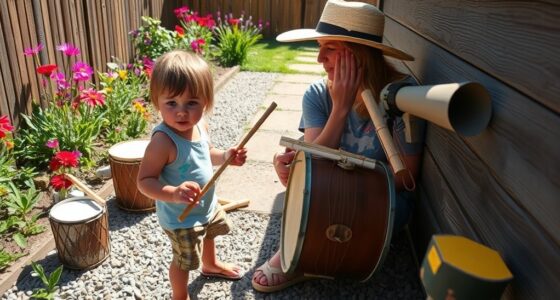
Living in a small apartment doesn’t mean you have to limit your child’s sensory exploration. You can create engaging and safe sensory experiences right in your limited space by getting creative with outdoor alternatives and smart storage solutions. First, consider how outdoor options can expand your child’s sensory opportunities. If you have a balcony, porch, or nearby park, use these spaces to introduce natural textures like sand, leaves, or water. A small sandbox or a portable water table can be brought outside when weather permits, offering tactile play without cluttering your indoor space. Even simple activities like collecting smooth stones or exploring the grass can boost their senses and curiosity. When outdoor options aren’t accessible, look for nearby community gardens or playgrounds where you can take your child for sensory-rich outings, turning mundane walks into discovery adventures.
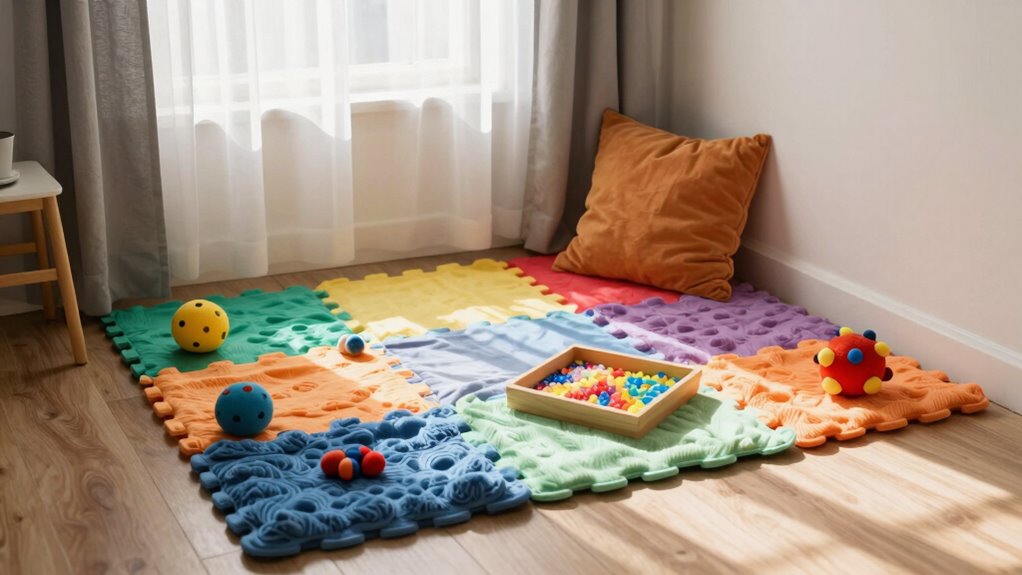
Inside, the challenge becomes managing clutter while still providing sensory experiences. Storage solutions are key here. Use multi-purpose furniture with built-in storage, such as ottomans or beds with drawers underneath, to hide toys and sensory materials when they’re not in use. Clear, stackable containers help you organize different sensory items—like textured fabrics, colored rice, or scented playdough—so you can quickly access them and keep your space tidy. Label these containers to make cleanup easier and encourage your child to participate in tidying up after play. Vertical storage units or wall-mounted shelves can hold sensory bins or art supplies, freeing up floor space and keeping everything within reach. Rotating sensory activities also helps; store some items out of sight and bring them back periodically to keep playtime fresh and manageable. Incorporating outdoor alternatives into your routine can significantly enhance sensory play options while reducing indoor clutter. Additionally, being mindful of sensory overload can help prevent your child from becoming overwhelmed during play. Creating a calm and organized environment is essential for supporting your child’s sensory development and making the most of limited space.
Being intentional with your space and activities is crucial; considering the importance of sensory development can guide your choices and help you create a balanced environment. Incorporate sensory play into daily routines, like using scented lotions during bath time or exploring new textures during snack time with different fruits or crunchy foods. Keep activities short but frequent, so your child gets plenty of sensory input without overwhelming your space. Use outdoor alternatives whenever possible to extend playtime and minimize indoor clutter. Remember, the goal is to make sensory exploration accessible and fun, even in tight quarters. With creative outdoor options and efficient storage solutions, you turn your small apartment into a sensory-rich environment that nurtures your child’s development without sacrificing your living space.
small space sensory toy storage bins
As an affiliate, we earn on qualifying purchases.
As an affiliate, we earn on qualifying purchases.
Frequently Asked Questions
How Do I Prevent Messes During Sensory Activities?
To prevent messes during sensory activities, set up in a designated area with a washable mat or tray. Use sensory activity ideas that are easy to contain, like water beads or textured bins. Implement cleanup tips like having paper towels and wipes nearby, and teach your child to help with tidying up afterward. This way, you keep your small apartment organized while still enjoying engaging sensory play.
What Safety Precautions Are Needed for Sensory Play?
Did you know that 80% of sensory play injuries could be prevented with proper safety precautions? To guarantee sensory safety, always choose non-toxic, child-safe materials and supervise play closely. Keep sensory items clean to prevent material contamination, and check for any small parts that could pose choking hazards. Establish clear boundaries and teach your child about safe play, making sure they understand what’s safe and what’s not.
How Can I Store Sensory Materials in a Small Space?
You can store sensory materials in small spaces by using versatile storage solutions like clear bins or stackable containers, which make organization easy and accessible. Utilize vertical space with wall-mounted shelves or over-the-door organizers to maximize room. Label each container for quick identification, and keep frequently used items within reach. These organization tips help you maintain a tidy environment while ensuring sensory materials are easy to find and safe for play.
Are There Sensory Activities Suitable for Limited Mobility?
Yes, there are sensory activities suitable for limited mobility. You can adapt techniques by using accessible materials like textured fabrics, squeeze balls, or scented items that can be easily handled or felt. Incorporate adaptive techniques, such as placing items within reach or using tools like grabbers, to guarantee comfort and safety. These activities help engage the senses without requiring extensive movement, making sensory play enjoyable and inclusive for everyone.
How Often Should Sensory Play Sessions Be Conducted?
Research shows kids benefit most from sensory play when it happens 3-5 times a week. You should consider sensory play frequency when planning activity scheduling, ensuring it fits comfortably into your child’s routine. Short, frequent sessions keep their interest alive and foster development without overwhelming your space. Adapt the schedule based on your child’s engagement levels, balancing sensory activities with rest and other play for best benefits.
Conclusion
In a small apartment, sensory play is about creating space, sparking curiosity, and fostering connection. It’s about adapting, improvising, and embracing simplicity. It’s about turning everyday moments into sensory adventures, nurturing growth, and cultivating joy. By making sensory play accessible, you’re not just filling your space with activity—you’re filling your life with discovery, your environment with wonder, and your child’s world with endless possibilities. Keep exploring, keep creating, and keep celebrating the magic in every small moment.