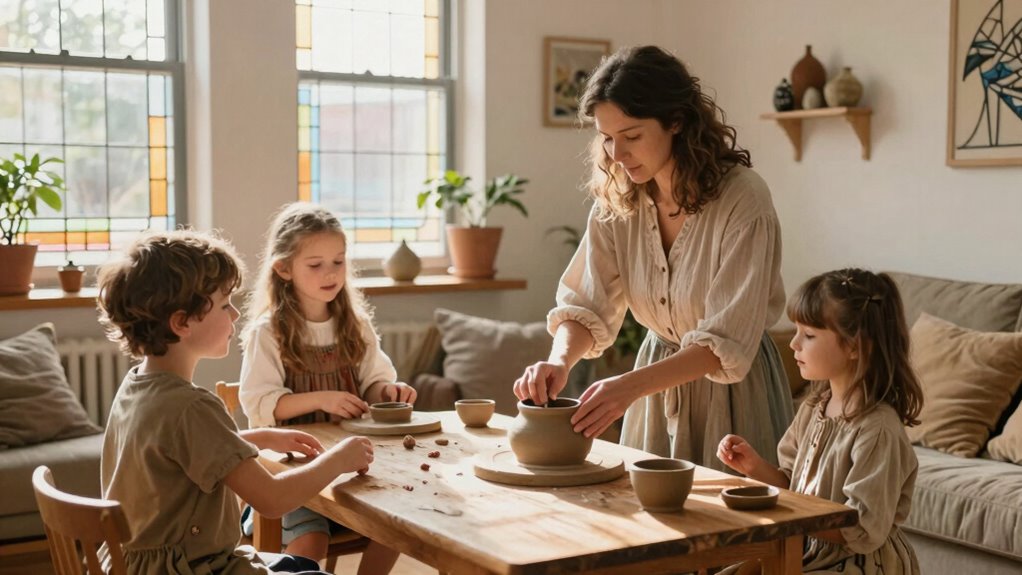

In Waldorf family life, rhythm provides stability and a sense of security, helping everyone feel grounded amid busy days. By creating gentle daily routines that are flexible and aligned with natural and seasonal cycles, you foster emotional stability and deepen family bonds. Celebrating seasonal festivals nurtures connection with nature and life’s ongoing changes. If you keep exploring, you’ll discover how integrating these rhythms can transform your family’s sense of harmony and resilience.
Listen free for 30 days with Audible
Thousands of audiobooks and originals — cancel anytime.
As an affiliate, we earn on qualifying purchases.
Key Takeaways
- Rhythm provides stability, security, and predictability, supporting emotional well-being for all family members.
- Flexible routines foster family connection while adapting to changing needs and life circumstances.
- Aligning daily activities with natural and biological rhythms enhances mood, energy, and overall health.
- Seasonal celebrations deepen connection to nature and reinforce the cyclical flow of the year.
- A nourishing flow of routines and rituals cultivates resilience, mindfulness, and a sense of harmony in family life.
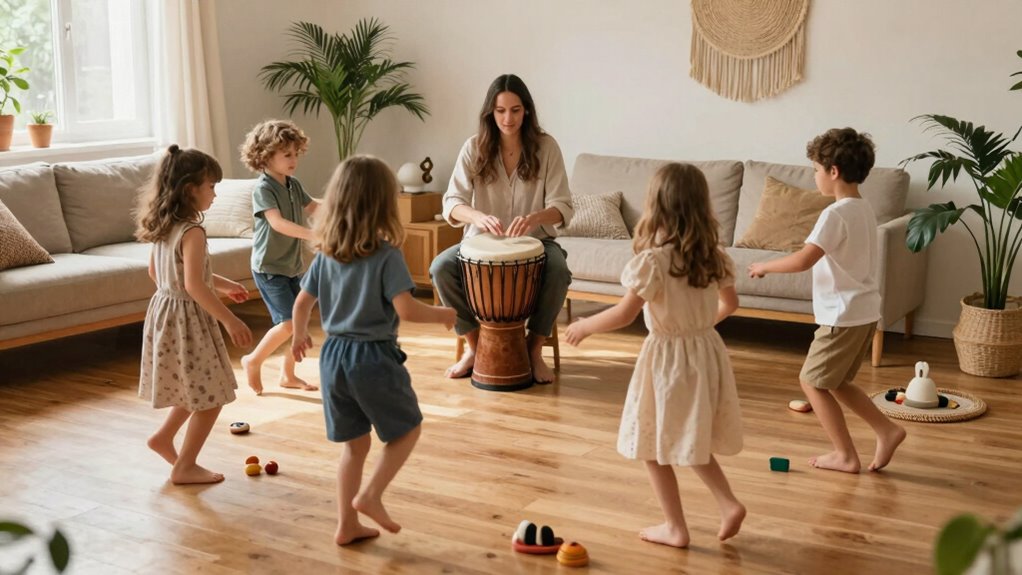
Rhythm plays an essential role in shaping the daily life of a Waldorf family, providing a sense of stability and harmony amid the busyness of modern living. When your days follow a gentle, predictable flow, it helps everyone feel secure and grounded. Daily routines become anchors, giving children a sense of order and predictability. Mornings might start with a simple, nourishing breakfast, followed by outdoor play or creative activities that set a positive tone for the day. Evenings often include quiet times like storytelling or singing, helping everyone wind down. These routines aren’t rigid but flexible enough to adapt to your family’s needs, creating a comforting rhythm that fosters security and well-being. Incorporating intentional daily routines can deepen your family’s connection and support emotional stability. Recognizing and respecting natural human cycles can further enhance the rhythm and harmony within your family life. Additionally, understanding how these natural biological rhythms influence mood and energy levels can help you tailor your routines for greater harmony. By aligning your family’s activities with these rhythms, you can nurture a sense of natural harmony that supports overall well-being. Embracing these rhythms can also help your family become more resilient to life’s changes and challenges.
Seasonal celebrations are another crucial aspect of Waldorf rhythm. As the year progresses, you and your family observe natural cycles, marking the changing seasons with meaningful rituals. Celebrating festivals like the winter solstice or spring planting not only honors the earth’s rhythms but also deepens your children’s connection to nature. These celebrations are not just parties; they are woven into your family’s daily life, reinforcing the natural flow of the year. You might create seasonal crafts, prepare special foods, or incorporate stories and songs that reflect the time of year. These activities nurture a sense of wonder and belonging, helping children understand the cyclical nature of life. By integrating seasonal celebrations into your routine, you build a rhythm that honors the seasons and provides continuity and meaning.
In a Waldorf family, rhythm isn’t about strict scheduling but about creating a gentle, nourishing flow that aligns with natural and human cycles. You’ll find that daily routines become more than just chores—they’re opportunities for connection and mindfulness. Likewise, seasonal celebrations aren’t just festivities; they’re moments to pause, reflect, and celebrate the ongoing dance of the seasons. Together, these rhythms foster a nurturing environment where children feel safe to explore, learn, and grow. They help your family stay centered amidst the chaos of modern life, grounding everyone in a shared sense of harmony. As you weave routines and celebrations into your days and months, you cultivate a rhythm that supports emotional stability, spiritual growth, and a deep appreciation for the natural world. Understanding and honoring natural cycles can further deepen your family’s connection to the earth and its seasons.
As an affiliate, we earn on qualifying purchases.
Frequently Asked Questions
How Do Waldorf Rhythms Differ From Other Educational Philosophies?
You’ll find Waldorf rhythms differ from other philosophies through their emphasis on cultural variations and seasonal adjustments. You naturally adapt daily routines to reflect seasonal changes, fostering a deep connection with nature. Unlike rigid schedules elsewhere, Waldorf encourages flexible, meaningful rhythms that honor cultural traditions. This approach helps you create a nurturing environment where children develop a sense of security, rhythmically aligning their growth with the world around them.
Can Rhythm Practices Be Adapted for Non-Waldorf Families?
You can absolutely weave rhythm practices into your daily life like a gentle melody, even amid a modern lifestyle. Think of cultural adaptations as customizing a song to fit your unique tune, blending traditions with your family’s rhythm. By setting simple routines—mealtimes, bedtime, or outdoor play—you create a harmonious flow that nurtures connection and stability, making your family’s days feel like a well-composed symphony, regardless of your background or schedule.
What Are Common Challenges in Establishing Family Rhythms?
You might find establishing family rhythms challenging due to busy schedules and differing routines. Consistency in meal routines and morning rituals can be tough to maintain, especially when everyone’s needs vary. To overcome this, you can start small, like having regular meal times or simple morning activities. Over time, these shared moments become anchors, helping your family develop a comforting rhythm that fosters connection and stability.
How Does Rhythm Influence Children’s Emotional Development?
Rhythm helps children develop emotional stability by providing a sense of security and predictability. When your family maintains daily consistency, children feel more grounded and less anxious, knowing what to expect. This steady routine nurtures their ability to manage emotions effectively and fosters resilience. By establishing regular daily activities and rituals, you create a nurturing environment where emotional development flourishes naturally.
Are There Specific Routines Recommended for Different Age Groups?
Like a gentle guiding star, age-appropriate routines and seasonal activities shape your child’s daily rhythm. For infants, focus on simple, calming routines that nurture security. As they grow, incorporate playful, creative seasonal activities to foster connection and learning. For older children, establish consistent schedules that balance study, chores, and leisure, helping them develop independence and emotional resilience. Tailoring routines to each age makes life harmonious and enriching.
Conclusion
So, there you have it—embrace the chaos of family life with a dash of rhythm, and suddenly, everything’s harmonious, right? Who knew that a simple daily routine could transform your wild household into a well-oiled Waldorf wonderland? Just remember, if all else fails, you can always pretend your messy morning chaos is part of a grand, rhythmic symphony. After all, in Waldorf style, even disorder has its place—preferably in a beautifully crafted, rhythmic dance.
Evergreen bestsellers Picks
bestsellers
As an affiliate, we earn on qualifying purchases.